Quick answer
Silverfish are silvery, carrot-shaped insects with three tail bristles. Booklice are tiny, pale insects barely visible to the eye. Both thrive in Goa's humid air, especially during and after the monsoon, and feed on paper, glue, starch and mould. The most effective control is reducing moisture: ventilate, fix leaks, air books and clothes, and store them in sealed containers. Persistent silverfish may need targeted professional treatment.
Key points
- Silverfish are wingless, silvery, carrot-shaped insects about a centimetre long with three tail bristles; booklice are pale insects only 1–2 mm long.
- Both insects depend on high humidity, which is why they become more noticeable in Goa during and after the monsoon.
- Silverfish feed on starch, glue, paper, cotton and dry foods; booklice feed mainly on mould, so seeing them signals damp.
- Neither insect bites people or is known to spread disease; the main harm is damage to books, papers and stored clothes.
- Reducing moisture and storing items in sealed containers is the foundation of control; persistent silverfish may need targeted crack-and-crevice treatment.
Perhaps you opened a cupboard after the monsoon and found an old book's pages grazed thin, a starched cotton saree marked with tiny holes, or a cardboard box speckled with something that moves. If so, you have probably met silverfish or booklice. Both are humidity pests that turn up in many Goan homes.
Both are much easier to manage once you understand what they need: damp air, undisturbed storage, and something starchy or mouldy to eat. This guide covers how to tell them apart, why Goa's climate suits them, which storage habits help them, and which treatment options actually work.
How do you tell silverfish from booklice?
Silverfish
Silverfish are wingless insects with a flattened, carrot- or teardrop-shaped body that tapers towards the tail. Adults are typically around a centimetre long. They are covered in silvery-grey scales that give them a metallic sheen, with two long antennae at the front and three long bristles at the rear.
They are active at night and move with a quick, wriggling, fish-like motion, which is how they got their name. You usually spot them when you switch on a bathroom light, lift a stack of old newspapers or open a drawer that is rarely used.
Booklice
Booklice are not true lice. They do not live on people or pets and do not bite. They are tiny, about one to two millimetres long, soft-bodied and pale, ranging from translucent white to light grey or brown. Most people first notice them as moving specks on book pages, window sills, damp walls or the flaps of cardboard boxes.
Booklice feed mainly on microscopic moulds. Seeing them is a useful warning that something nearby is staying damp enough for mould to grow, even if you cannot see the mould yet.
| Feature | Silverfish | Booklice |
|---|---|---|
| Size | Around 1 cm as adults | About 1–2 mm |
| Appearance | Silvery-grey scales, tapering body, three tail bristles | Pale, soft, translucent; easy to mistake for dust |
| Movement | Fast, wriggling; hides from light | Slow, jerky crawling |
| Main food | Starch, glue, paper sizing, cotton, cardboard, dry foods | Moulds on paper, plaster, cardboard and stored food |
| What they tell you | Damp, undisturbed hiding places nearby | Humidity high enough for mould to grow |
What damage do they cause?
Silverfish feed on starches, sugars and cellulose. In a home, that means paper sizing, bookbinding glue, wallpaper paste, photographs, starched cotton and linen, cardboard, and dry foods such as flour and cereals.
Typical signs of silverfish damage include:
- Irregular holes or ragged edges on paper and fabric
- Patches where the surface of paper or a book cover has been scraped thin
- Faint yellowish stains
- Tiny pepper-like droppings on shelves or inside boxes
- Shed silvery scales
Booklice cause less direct damage. They graze on paste and mould on old bindings, and in large numbers they can contaminate stored flour, rava or cereal. The bigger problem is usually the mould they point to, which damages paper, leather and fabric on its own.
Neither insect stings, and neither is known to spread disease. They are a threat to your belongings, not your health. If anyone at home has allergies or breathing difficulties that seem worse in damp, mouldy conditions, please see a doctor.
Why does humidity matter so much in Goa?
Both insects lose water easily through their bodies, so they depend on humid surroundings to survive. Silverfish favour damp, sheltered spots. Booklice are even more sensitive and decline quickly once the air dries out, which is why they often seem to vanish a few weeks after the rains end.
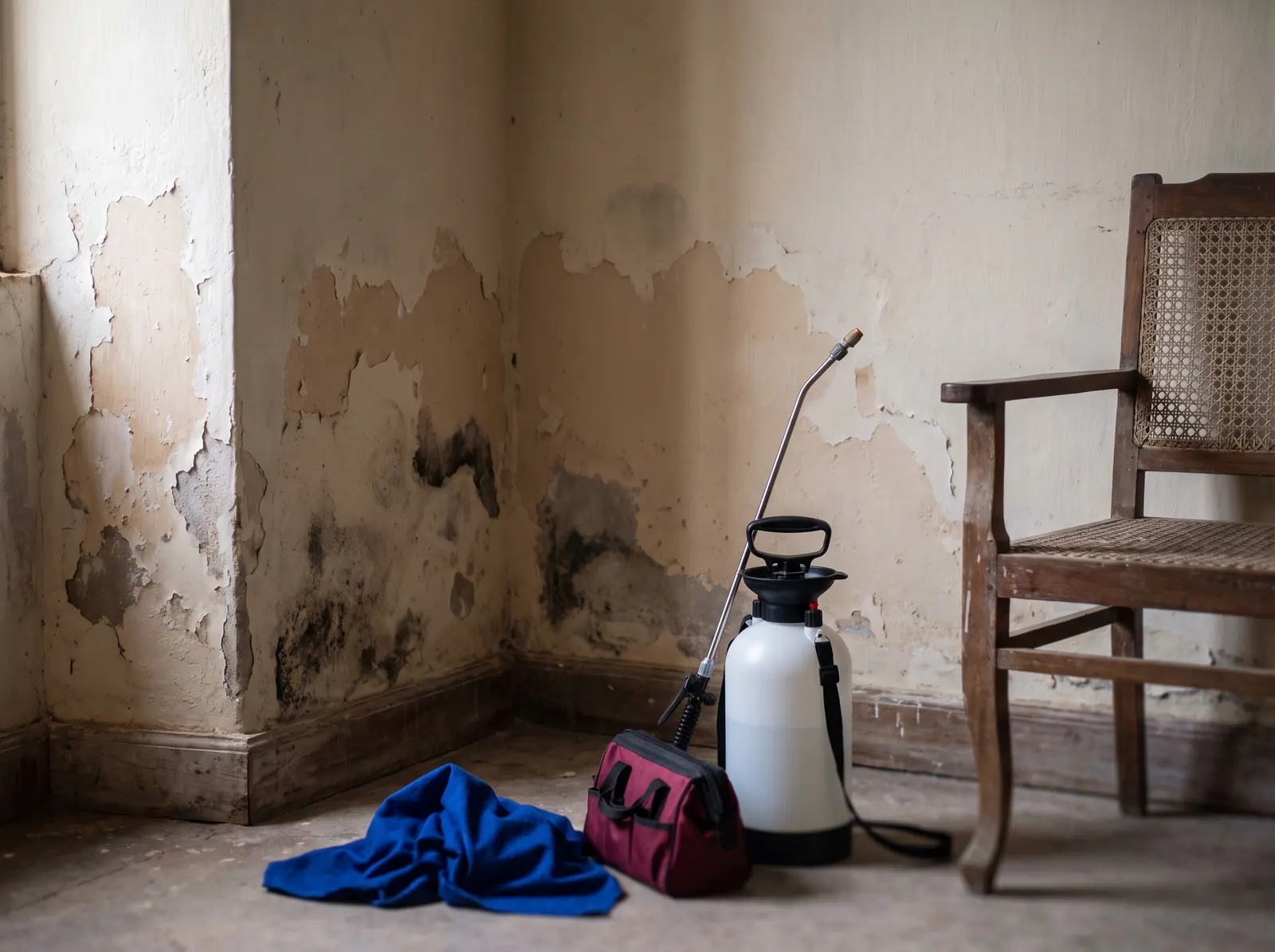
Goa's coastal climate is humid for much of the year, and the very heavy south-west monsoon pushes indoor humidity higher still. Walls take on moisture, and cupboards built against external walls stay cool and damp. Rooms that are kept closed barely dry out at all.
Mould then starts on book spines, leather bags and the backs of wardrobes. That feeds booklice and softens paper for silverfish. Older homes with thick laterite or lime-plastered walls, wooden ceilings and heavy wooden almirahs can hold moisture for long periods, as can holiday homes left shut for months. Our guide to damp walls and the pests they attract explains how to trace where that moisture is coming from.
Which storage habits invite silverfish and booklice?
Most infestations begin in storage, not in rooms you use every day. Watch out for these common habits:
- Cardboard boxes kept on the floor or pushed against external walls
- Stacks of newspapers, magazines, old files and bills
- Books packed tightly on shelves fixed to outside walls, with no air gap behind
- Clothes put away starched, or before they are completely dry
- Trunks and suitcases in lofts or under beds that stay closed through the monsoon
- Flour, rava, poha and cereals left in opened packets
- Cupboards and store rooms that are hardly ever opened or aired
Better ways to store books, papers and clothes
- Leave a gap of a few centimetres between shelves and external walls so air can move behind them.
- Replace cardboard boxes with plastic containers that have tight-fitting lids.
- Add silica gel sachets to sealed boxes and drawers. Refresh or replace them as the pack directs, because they stop working once saturated.
- Wash clothes and dry them fully before storing. Avoid storing them starched for long periods.
- Keep important documents and photographs in sealed sleeves or folders inside a closed container.
- Open cupboards and air their contents on dry days. Sit with the doors open for a while rather than leaving them shut for months.
- Move dry foods into airtight containers. Our guide to stored rice and pantry pests has more on kitchen storage.
The same habits protect woollens and silks. For damage that looks more like neat holes in fabric, read our guide to clothes moths and carpet beetles in humid wardrobes. For rare or valuable books and family papers, ask a conservator or archive for advice before trying any treatment.
How do you get rid of silverfish and booklice?
Because both pests depend on moisture, drying things out is the foundation. Treatment alone rarely lasts if the room stays damp. This is the Integrated Pest Management (IPM) approach we follow: inspection first, then sanitation and proofing advice, then targeted treatment only where it is needed.
Step 1: Find and fix the moisture
- Repair roof leaks, bathroom seepage and dripping plumbing.
- Improve ventilation with exhaust fans in bathrooms and kitchens. Open windows on dry days.
- Use a dehumidifier in closed rooms such as store rooms, libraries and wardrobes.
- Use an inexpensive hygrometer, which measures humidity, to see which rooms stay damp.
Step 2: Clean and declutter
- Vacuum shelves, cracks, skirting and the space behind furniture to remove insects, eggs and droppings.
- Wipe away visible mould. Wear gloves, and a mask if you are sensitive to dust or mould.
- Discard heavily affected cardboard, old newspapers and contaminated food.
- Lift stored items off the floor.
Step 3: Deal with affected items
- Books and papers: Let them dry in a well-ventilated room, then brush them gently with a soft brush. Avoid long spells in harsh sun, which can fade and warp old paper and photographs.
- Clothes and linen: Wash, dry thoroughly and store sealed.
- Shelves and cupboards: Clean and dry them fully before putting anything back.
Step 4: Targeted treatment for persistent silverfish
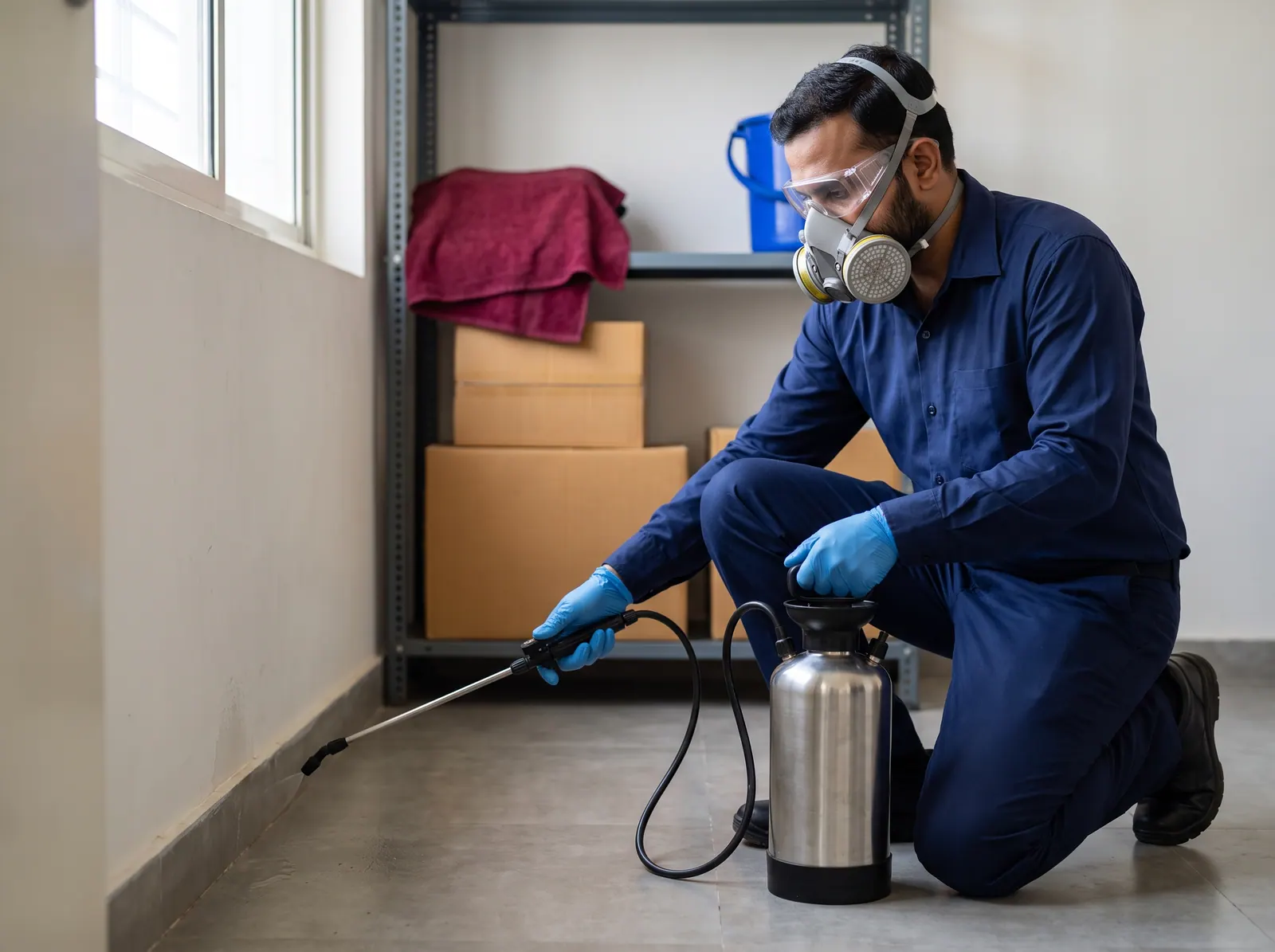
Sometimes silverfish keep appearing after the room has been dried and cleared. Professional treatment then focuses on their hiding places: cracks, crevices, gaps behind skirting, wall voids and false ceilings. It does not involve spraying whole rooms. Silverfish are among the crawling insects covered by our General Pest Control service in Goa. If they seem to be coming from overhead, see our guide to pests in wooden false ceilings.
Booklice usually decline once humidity falls and mould is removed, so drying out is often all that is needed.
Please do not spray household insecticide directly onto books, clothes or food. It can stain, leave residues and does nothing about the damp that caused the problem. If you use any product at home, follow the label directions. Keep children and pets away from treated areas until they are dry or as the label advises, ventilate the room and wash your hands afterwards.
A simple year-round routine for Goan homes
| Time of year | What to do |
|---|---|
| Before the monsoon (April–May) | Fix leaks, move boxes off floors, refresh silica gel, pack seasonal clothes clean and dry in sealed containers. |
| Monsoon (roughly June–September) | Run exhaust fans and dehumidifiers, open cupboards on drier days, check bookshelves and store rooms for specks or scales. |
| After the monsoon (October–November) | Air books and clothes, clean away mould, discard damaged cardboard and paper. |
| Dry months (December–March) | Declutter, repair seepage while walls are dry, and rearrange storage away from external walls. |
For a wider list of jobs to finish before the rains, use our pre-monsoon pest checklist for Goa homes.
When is it worth getting professional help?
It is worth asking for help in any of these situations:
- Silverfish keep turning up in several rooms despite drying and decluttering.
- Damage is spreading through a home library, office records or a family archive.
- A holiday home or flat has been closed for months and you want it checked properly.
- You cannot work out where the damp is coming from.
Our Goa branch in Chimbel is a licensed pest control operator (Directorate of Agriculture, Goa). We use CIB&RC-registered products and maintain Material Safety Data Sheets for the products we use. Tell us your location and what you are seeing, and we will advise on the next steps.
Frequently asked questions
QAre silverfish or booklice harmful to my family?
Neither silverfish nor booklice bite, sting or are known to spread disease, so they are not considered a direct health risk. Their real cost is damage to books, papers, photographs and stored clothes. Booklice also indicate that mould is growing nearby, and mould can bother people with allergies or breathing problems. If someone at home has symptoms that seem linked to damp, please see a doctor.
QWhy have booklice appeared in our newly built or freshly plastered flat?
New plaster, concrete and paint release moisture for some time after construction, and mould can grow on these damp surfaces before you can see it. Booklice feed on that mould, so they often appear in new or renovated homes, especially during the monsoon. Good ventilation and a dehumidifier usually help, and the problem tends to fade as the walls dry out completely.
QDo silica gel sachets really help protect books and clothes?
They can help in a sealed space such as a lidded plastic box, a closed drawer or a document folder. There they absorb moisture and keep humidity lower. In an open shelf or a room they make little difference. Remember that silica gel stops working once it is saturated, so refresh or replace sachets as the pack directs, especially through the monsoon.
QWhy do I mostly see silverfish in the bathroom?
Bathrooms are often the dampest rooms in a home, with water on floors, steam from bathing and gaps around pipes and tiles. Silverfish hide in these cracks during the day and come out at night, so they are easy to spot when you switch on the light. Better exhaust ventilation, fixing leaks and sealing gaps around fittings usually reduces sightings.
QCan silverfish damage photographs and important documents?
Yes. Silverfish graze the starch, glue and coatings on paper and photographs, leaving thinned patches, ragged holes and stains. Store important documents and photos in sealed sleeves inside a lidded plastic container, away from external walls and off the floor. For irreplaceable or historic items, ask a conservator or archive for advice before cleaning or treating them yourself.
QDo I need a pest controller for booklice, or can I handle it myself?
Booklice usually decline once you reduce humidity and remove the mould they feed on. Ventilating, using a dehumidifier, fixing leaks and discarding damp cardboard often solves the problem without any insecticide. If they persist, or if silverfish are also widespread, an inspection can help find hidden damp and hiding places. Our Goa branch can advise once you describe what you are seeing.
Last updated 13 October 2026. Information on this page is general guidance; your technician will advise on your specific property after inspection.