Quick answer
Heritage hotel pest control in Goa should be inspection-led and conservation-aware. Map pests by material: termites and wood borers in timber, rodents and birds in roof spaces, bed bugs in antique furniture. Use targeted, low-visibility treatments scheduled around guests. Proof retrofitted kitchens and keep audit-ready records. Protect old timber long term with moisture control and seasonal inspections planned around the monsoon.
Key points
- Heritage buildings in Goa combine timber, laterite, lime plaster and clay-tile roofs, which suit termites, wood borers, rodents and birds.
- Goa's humid climate and heavy south-west monsoon make moisture control central to long-term timber protection.
- Post-construction anti-termite treatment (IS 6313 Part 3) uses drill-fill-seal methods, and drill positions can be chosen carefully in heritage floors.
- Kitchens in food businesses are expected to meet FSSAI Schedule 4 hygiene requirements, including pest control.
- Fresh, recurring powder below timber is a better sign of active wood borer activity than old exit holes.
Heritage hotel pest control in Goa means balancing two goals: protecting a building that may be a century or more old, and meeting the expectations of guests who chose it for its character. Laterite walls, lime plaster, clay-tile roofs and hand-worked timber are why people book a restored mansion or boutique stay. They are also what termites, wood borers, rodents and birds find attractive.
This guide explains which pests affect heritage materials and how to treat them without harming the fabric of the building. It also covers how to keep pest work out of guests' sight, why kitchens in old buildings need extra attention, and how to protect old timber year after year.
Why does a heritage property need a different pest plan?
A modern hotel is built with sealed slabs, concrete frames and standard fittings. An old Goan house converted into a boutique stay usually has timber rafters and ceiling boards, wooden staircases and window frames, and roof voids under clay tiles. There are often gaps where new plumbing and wiring pass through old walls.
Goa's humid coastal climate and very heavy south-west monsoon add moisture to all of this. Damp timber and leaking roofs create the conditions termites and wood-boring beetles prefer. A pest plan for a heritage property therefore has to start with the building itself, not just with the pests you can see.
Which pests affect heritage materials, and what are the signs?
Walk the property with this table in hand. Most problems show early signs that staff can learn to report.
| Material or area | Pests to watch for | Early signs |
|---|---|---|
| Structural timber: rafters, beams, ceiling boards, staircases | Subterranean termites, drywood termites, wood borers | Mud tubes, hollow-sounding wood, small round exit holes, fine powder or tiny pellets below timber |
| Clay-tile roofs and roof voids | Rats, birds, bee and wasp nests | Droppings, scratching at night, gnawed wiring, nesting material, insects using a gap in the eaves |
| Laterite and lime-plastered walls | Termites, cockroaches, ants | Mud tubes on wall faces, insects using cracks, damp patches near the base of walls |
| Antique beds, headboards, wardrobes | Bed bugs, wood borers | Dark spotting in joints and seams, fresh powder near furniture legs |
| Libraries, archives, old textiles | Silverfish, termites | Irregular grazing on paper and book bindings, tunnelling in shelves |
Fine powder below a beam is not always active damage. Old exit holes can be decades old. The useful question is whether the powder is fresh and keeps reappearing after cleaning, which is why a dated inspection record matters.
How can treatment respect heritage materials?
Conservation-aware pest management follows the Integrated Pest Management (IPM) approach: inspect first, correct the conditions that attract pests, and treat only where needed. In a heritage building that means:
- Inspect and record before treating. Note the condition of floors, finishes and timber, with photographs, so everyone can see what was there before work began.
- Involve the person responsible for the building. If you have a conservation architect or restoration contractor, share the treatment plan with them before anything is drilled or applied.
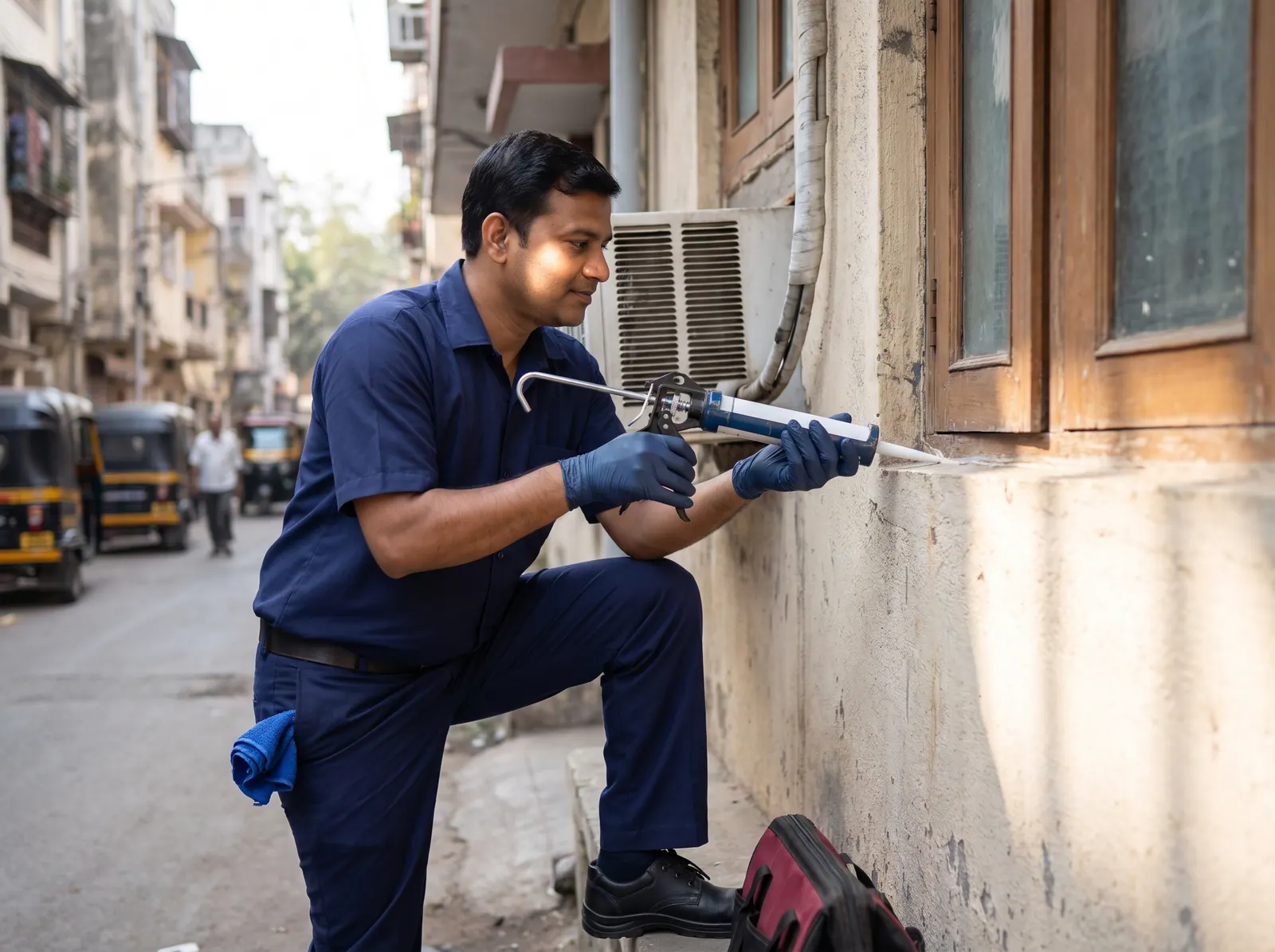
- Choose drill positions carefully. Post-construction anti-termite work, described in IS 6313 (Part 3), usually involves drilling, filling and sealing. In heritage floors, holes can often go in grout lines, plain areas or less visible spots, sealed neatly to match.
- Test before applying to finishes. Polished, oiled, painted or lime-washed surfaces should be tested in a hidden spot first.
- Prefer targeted treatment to blanket spraying. Localised timber treatment and baiting reduce residue on surfaces you want to preserve.
- Deal with moisture. Blocked gutters, cracked tiles and rising damp feed timber pests. Repairs often do more long-term good than any single treatment.
- Handle movable items separately. Infested furniture, carvings or stored goods can sometimes be treated away from the building. Fumigation is only suitable in specific cases and must be carried out by trained operators under proper controls.
For timber-specific problems, see our pages on wood borer treatment in Goa and termite control in Goa.
How can pest work in guest areas stay discreet?
Guests at a boutique stay notice everything, from a technician in a corridor to a faint smell in a room. Good planning keeps pest work almost invisible.
Routine service
- Schedule guest-room work during vacant periods and coordinate with housekeeping and the front office.
- Keep treated rooms out of sale until surfaces are dry or for the period advised. Ventilate well before guests return.
- Use gel baits in cracks and crevices rather than open spraying where the pest allows it.
- Place rodent bait stations and traps out of sight, using tamper-resistant stations wherever children or pets could reach.
- Keep service reports and correspondence in back-office channels, not at reception.
The approach differs between rooms and service areas. Our guide to rodent control in guest areas versus back of house covers this in detail.
If a guest reports bed bugs
Antique beds and upholstered pieces have many joints where bed bugs can hide. A calm, prepared response protects both the guest and your reputation:
- Move the guest to a room that is not adjacent, and offer to launder their clothing.
- Bag the linen in the room and take it straight to the laundry.
- Close the room and inspect the rooms on either side, above and below.
- Arrange room-by-room inspection and treatment, with follow-up visits, before the room is sold again.
If a guest has a skin reaction, suggest they see a doctor rather than offering remedies.
Birds, bees and wasps on the façade
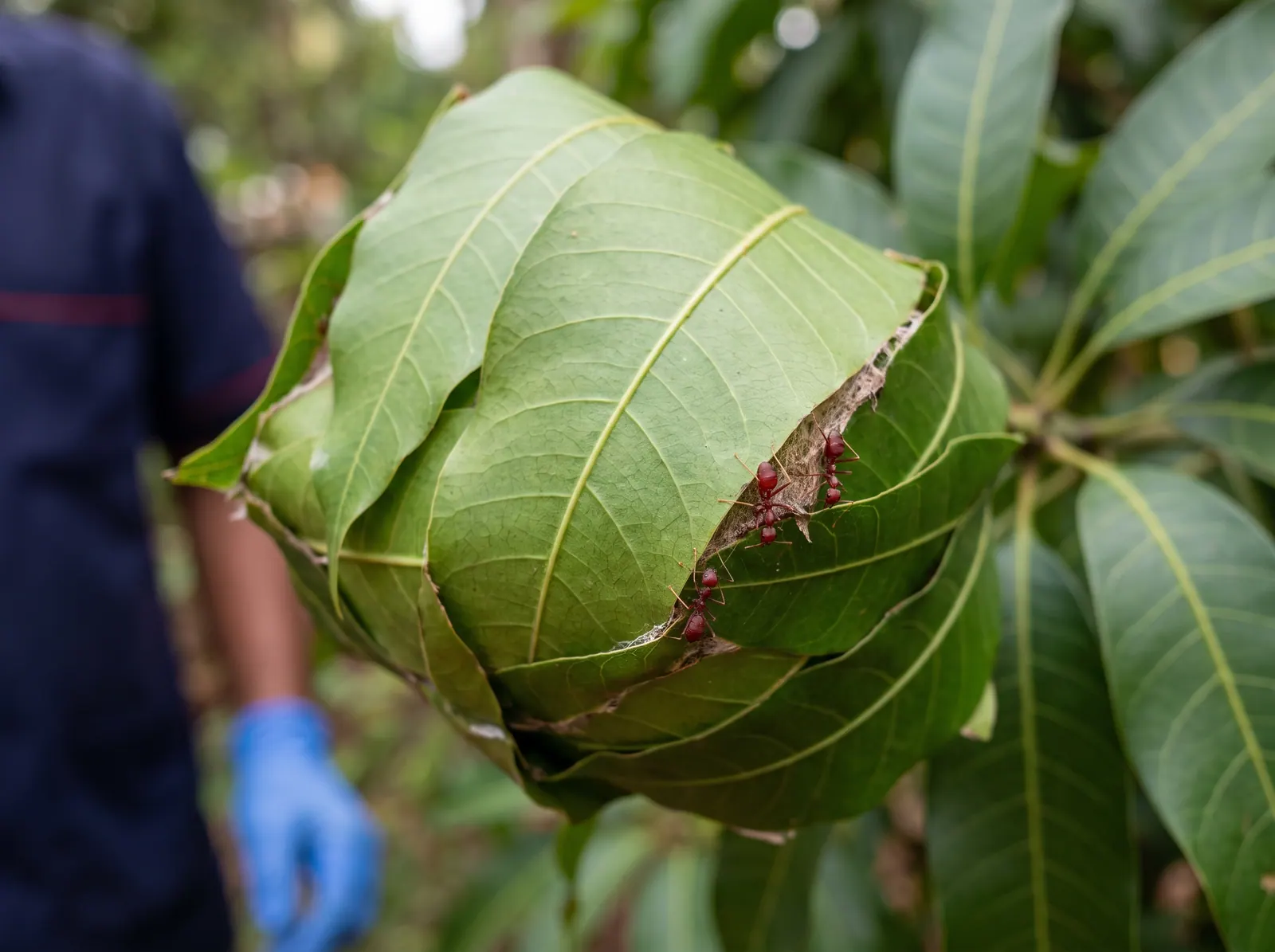
Courtyards, verandahs and deep eaves attract pigeons and nesting insects. Bird-proofing nets can be fitted to ledges, ducts and balconies, but fixings should go into joints or existing anchor points, not decorative plaster. Bee and wasp nests near occupied areas need safe handling, and the area should be kept clear of guests while the work is done.
Why are kitchens in old buildings harder to keep pest-free?
Many heritage kitchens were fitted into rooms never designed for commercial cooking. Common weak points include:
- Old drainage lines and inspection chambers that cockroaches and rats can travel along.
- Voids behind new cladding, cabinets and false ceilings.
- Gaps where gas, water and electrical lines pass through thick laterite walls.
- Timber shelving and frames that hold grease and moisture.
- Back doors opening onto gardens or service lanes.
The practical answer is proofing first: seal service gaps, fit drain covers and door sweeps, and remove unused shelving. Then add targeted cockroach gel baiting, rodent stations outside with traps inside, and fly control based on sanitation and source reduction. Training kitchen and housekeeping teams to spot early signs makes a real difference. See our guide on staff training for pest prevention.
Food businesses are expected to meet FSSAI Schedule 4 hygiene requirements, which include pest control. Kitchens working to HACCP will also want pest records that stand up to an audit. Our guide to HACCP pest control documentation for hotels explains what to keep on file.
How do you protect old timber for the long term?
One treatment does not protect a heritage building indefinitely. Long-term protection combines moisture control, scheduled inspection and prompt, localised treatment. Keep a simple timber register that lists each important beam, staircase and furniture piece, with the date and findings of each inspection.
| Period | What to focus on |
|---|---|
| Pre-monsoon (around April–May) | Roof, tile and gutter repairs; seal gaps in eaves; termite inspection at wall bases and timber contact points; check bird netting |
| Monsoon (June–September) | Watch for leaks and damp timber; note winged termites around lights; clear standing water in courtyards to limit mosquito breeding |
| Post-monsoon (October–November) | Full timber inspection; check for fresh borer powder; deep clean and pre-season treatment of rooms and kitchens |
| Peak season (December onwards) | Discreet routine service; bed bug vigilance during room turnover; closer attention to kitchens at full occupancy |
If your property closes or runs at low occupancy during the rains, read our monsoon shutdown pest plan for Goa hotels. An annual maintenance contract can turn this calendar into scheduled visits with a service report after each one.
What should you expect from a pest management provider?
Before you let anyone drill a floor or treat an antique, ask for:
- Proof that they are a licensed pest control operator and use CIB&RC-registered products, as required under the Insecticides Act, 1968.
- Material Safety Data Sheets for the products they plan to use.
- A written inspection and treatment plan that shows where they will drill or apply products.
- Service reports after every visit.
- Documentation suitable for HACCP and FSSAI audits if you run a kitchen.
- Clear, written warranty terms, including what is and is not covered.
Our Goa operation is a licensed pest control operator (Directorate of Agriculture, Goa) and uses CIB&RC-registered products. We maintain Material Safety Data Sheets, share service reports and WhatsApp updates after visits, and provide documentation for food businesses aligned with HACCP and FSSAI audit expectations. For specific services, a warranty applies to the treated area, as set out in the service agreement. One published testimonial from a purchase manager in Goa describes bed bugs in staff accommodation being resolved within the first three months, alongside cockroach, lizard and rodent treatment.
Planning a programme for your heritage property
Every old building is different, so the best starting point is a walk-through of the roof, timber, guest rooms and kitchen. Contact our Goa branch in Chimbel and tell us about your property, its age and materials, and what you have noticed. We can then talk you through an inspection-led plan that fits your building and your guests.
Frequently asked questions
QWill anti-termite drilling damage original floors in a heritage building?
Post-construction termite treatment usually involves drilling small holes, filling them with treatment and sealing them. In heritage floors, the positions can often be chosen in grout lines, plain areas or less visible spots, and sealed to blend in. Share the plan with your conservation architect or restoration contractor before work begins, and photograph the floor beforehand so its condition is on record.
QCan we keep rooms open while pest treatment is being carried out?
Rooms being treated should be vacant, and guests and staff should stay out until surfaces are dry or for the period advised by the technician. Ventilate well before re-letting. Many routine tasks, such as gel baiting in crevices or checking bait stations, are low-disruption and can fit into normal turnover when planned with housekeeping.
QShould antique furniture with borer holes be treated in place or moved?
It depends on the piece, the extent of activity and its finish. Small, movable items are sometimes treated separately so they do not affect the rest of the room. Large built-in pieces are usually treated in place with localised treatment. Always test any product on a hidden area of a polished or oiled surface first.
QHow can we tell whether wood borer damage is old or still active?
Old exit holes can remain in timber for decades. Active infestation usually shows as fresh, pale powder that reappears after you clean beneath the timber. Vacuum the area, note the date in a timber register and check again over the following weeks. Fresh powder or new holes point to ongoing activity that needs treatment.
QDoes a kitchen in an old building need different pest records for FSSAI audits?
The record-keeping expectations are the same as for any food business: a pest control plan, a map of monitoring points, service reports and details of products used. In an old building, it also helps to record proofing work such as sealed wall gaps and drain covers. This shows auditors that structural weak points have been identified and addressed.
QWhat happens if pests return after a treatment?
For specific services, our Goa branch offers a warranty on the treated area, as set out in the service agreement. It varies by pest and treatment. It does not cover structural changes, new construction or cases where post-service instructions were not followed. Pests arriving from neighbouring properties are a prevention issue, and our technicians can advise on proofing.
Last updated 13 October 2026. Information on this page is general guidance; your technician will advise on your specific property after inspection.