Quick answer
Safe, smart pest management in Goa means inspecting first, fixing the conditions that attract pests, and using the most targeted treatment that will work, such as baits and crack-and-crevice applications instead of blanket spraying. Rather than relying on an ISO label, check that the operator holds a state pest control licence and uses CIB&RC-registered products. Our Goa branch is a licensed pest control operator (Directorate of Agriculture, Goa).
Key points
- Safe pest management relies on inspection, proofing and targeted treatment rather than blanket spraying.
- ISO certification is a voluntary management-system standard, not a licence to apply pesticides.
- In India, pest control operators are licensed by state authorities and products must be CIB&RC-registered.
- Efficacy Pest Control's Goa operation is licensed by the Directorate of Agriculture, Goa, and uses CIB&RC-registered products.
- Ventilating, staying out until treated surfaces are dry and keeping children and pets away are simple, effective precautions.
What does safe and smart pest management actually mean?
Safe, smart pest management in Goa means finding out exactly which pest you have and why it is there, correcting the conditions that let it thrive, and then using the smallest, most targeted treatment that will reliably work. It does not mean blanket spraying every room. It also does not mean avoiding all treatment at any cost.
No pest control product is zero-risk. Safety comes from choosing the right method, applying it precisely in the right place, and following a few simple precautions afterwards. That is true whether you live in a flat, manage a housing society, run a villa or look after a hotel kitchen.
Our Goa team follows an Integrated Pest Management (IPM) approach: inspection, sanitation and proofing advice, then targeted treatment. If you would like the background, our guide to how integrated pest management works explains the thinking step by step.
What does "ISO certified" pest control tell you?
Many people search for ISO-certified pest control, so it is worth being clear about what that label does and does not mean. ISO certifications relate to management systems, meaning how an organisation documents, reviews and improves its processes. They are voluntary and are not a licence to handle or apply pesticides.
In India, the credentials that matter most for safety are legal ones. Under the Insecticides Act, 1968, pest control operators are licensed by state authorities, and the products they use must be registered by the Central Insecticides Board & Registration Committee (CIB&RC). Our Goa operation is a licensed pest control operator (Directorate of Agriculture, Goa) and uses CIB&RC-registered products.
Whichever company you choose, these are sensible questions to ask:
- Do you hold a valid state pest control operator licence?
- Which products will you use, and are they CIB&RC-registered?
- Can I see the Material Safety Data Sheet (MSDS) for the products used?
- Will I receive a written service report after each visit?
- For food businesses: can you provide documentation for our hygiene audits?
- If you claim ISO certification, which standard is it, which body certified you, and what does it cover?
Our article on how to check a pest control service's government licence goes into this in more detail.
How do targeted treatments reduce risk indoors?
The idea is simple: put the treatment where pests live and travel, not where people sit, eat or play. Cockroaches hide in cracks behind cabinets and appliances; ants follow trails back to a nest; rats and mice run along walls. Treating those spots precisely means far less product in open living space.
| Pest | Targeted approach | What helps on your side |
|---|---|---|
| Cockroaches | Gel baiting and crack-and-crevice treatment in kitchens, bathrooms and drains | Clear clutter, fix leaks, keep food sealed |
| Ants | Baiting along trails and spot treatment near nests | Wipe up sweet spills, seal gaps where trails enter |
| Rats and mice | Inspection, tamper-resistant bait stations, traps and proofing advice | Close openings, store grain and pet food in sealed bins |
| Mosquitoes | Breeding-site reduction and larviciding first; spraying or fogging matched to the property and season | Empty standing water weekly, clear gutters |
| Termites | Inspection-led treatment, including drill-fill-seal in occupied buildings and wood treatment | Fix dampness, keep wood and debris away from walls |
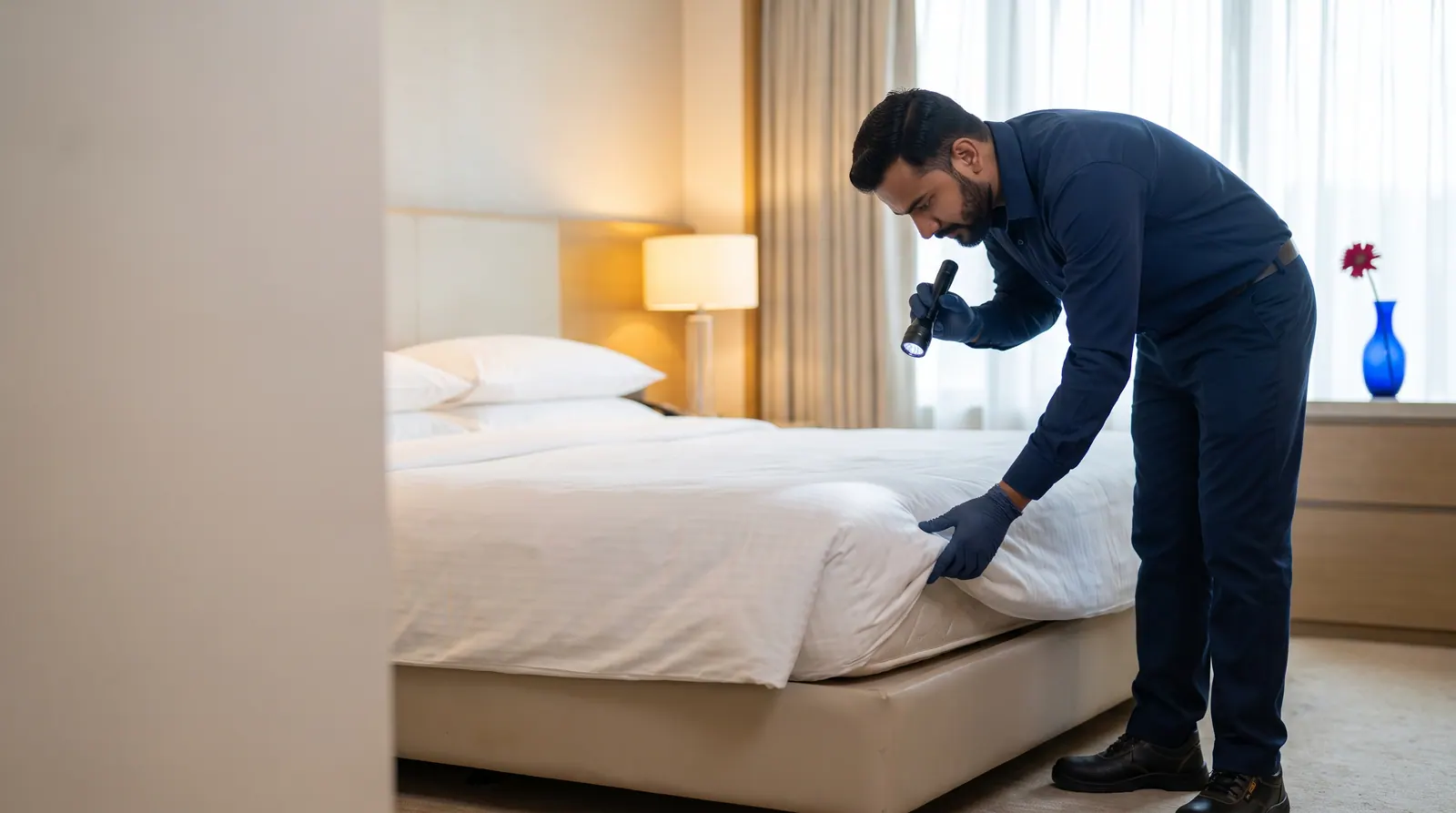
| Bed bugs | Room-by-room inspection and treatment with follow-up visits | Follow laundry and preparation instructions closely |
Fumigation is used only for stored goods, spaces or consignments where it is genuinely the appropriate method, with strict controls on who can enter and when.
How do you keep children, older relatives and pets safe?
Most of the protection comes from straightforward habits before and after a visit. Your technician will give site-specific instructions, but these apply almost everywhere:
- Before: clear the areas to be treated, put away food and utensils, cover or move aquariums and pet bowls, and keep pets in a separate room.
- During: keep children and pets out of the treatment area. A responsible adult should accompany the technician.
- After: ventilate the room, stay out until surfaces are dry or for as long as advised, and wash hands after touching treated areas.
- Ongoing: do not wipe away gel spots or move bait stations, as they need to stay in place to work.
If anyone feels unwell after a treatment, see a doctor and take the product details from your service report with you. For more on sensitive households, read whether pest control is safe for babies, seniors and pets, and for outdoor mosquito work, see what residents should know about fogging.
Why does Goa's climate shape the approach?
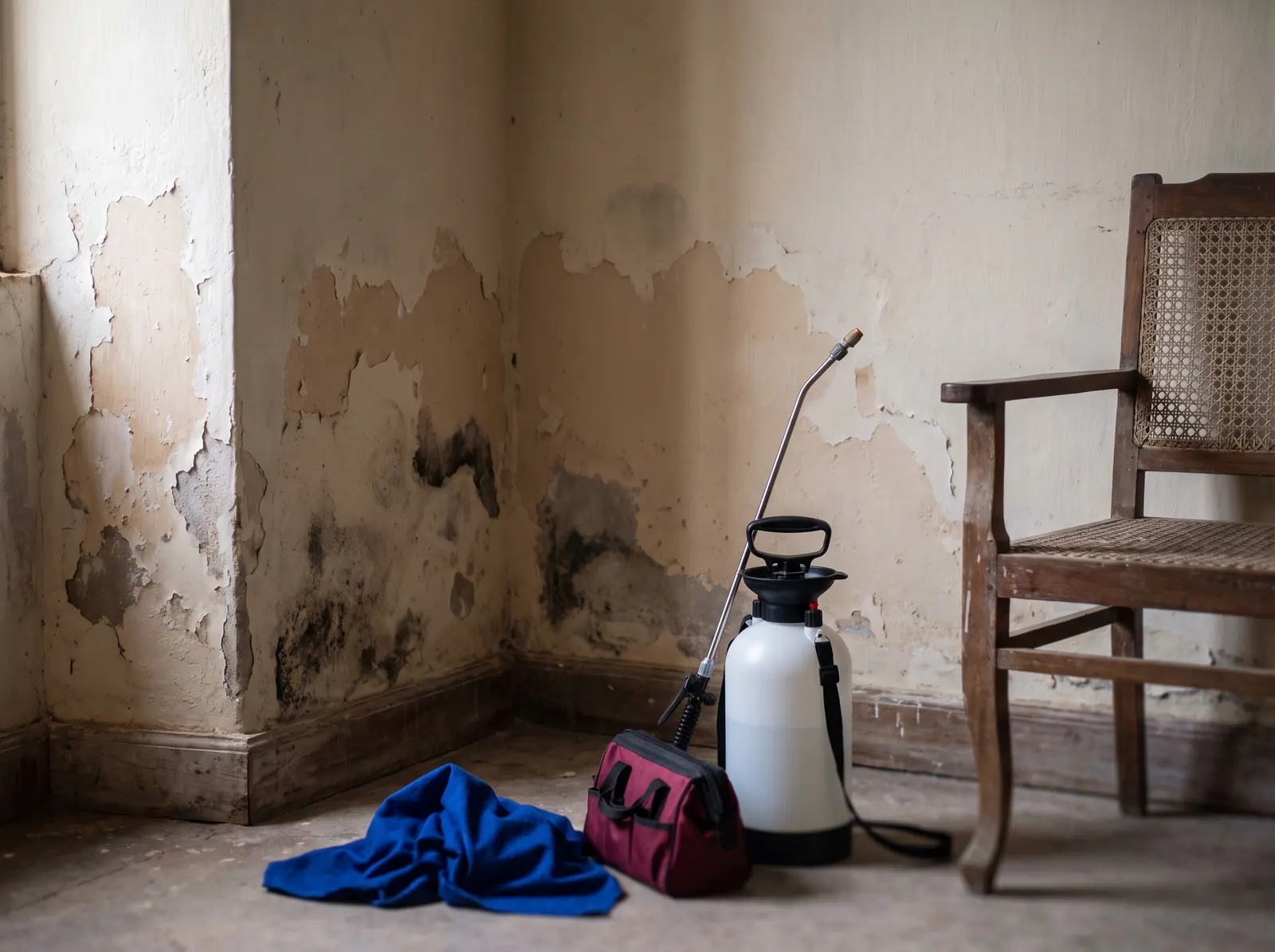
Goa's humid coastal climate and very heavy south-west monsoon change the pest picture through the year. Pooled water creates mosquito breeding sites, damp walls and timber suit termites and wood borers, and many crawling pests move indoors to escape the rain.
A smart plan works with the seasons rather than reacting to every sighting. Clearing drains and gutters before the monsoon, reducing breeding sites during it, and checking woodwork and walls for termite signs afterwards often cuts down the amount of treatment needed later.
What does this look like for hotels, restaurants and food businesses?
Commercial kitchens and guest areas need control that does not disrupt service or put food at risk. That means scheduled visits, treatment planned around operating hours, careful work near food-contact surfaces and clear records.
For our Goa clients, service reports are shared after visits, with WhatsApp updates, and we provide documentation for food businesses aligned with HACCP and FSSAI audit expectations. Hotel managers can read about hotel and resort pest management in Goa, and kitchen operators about restaurant pest management.
What happens on a typical visit?
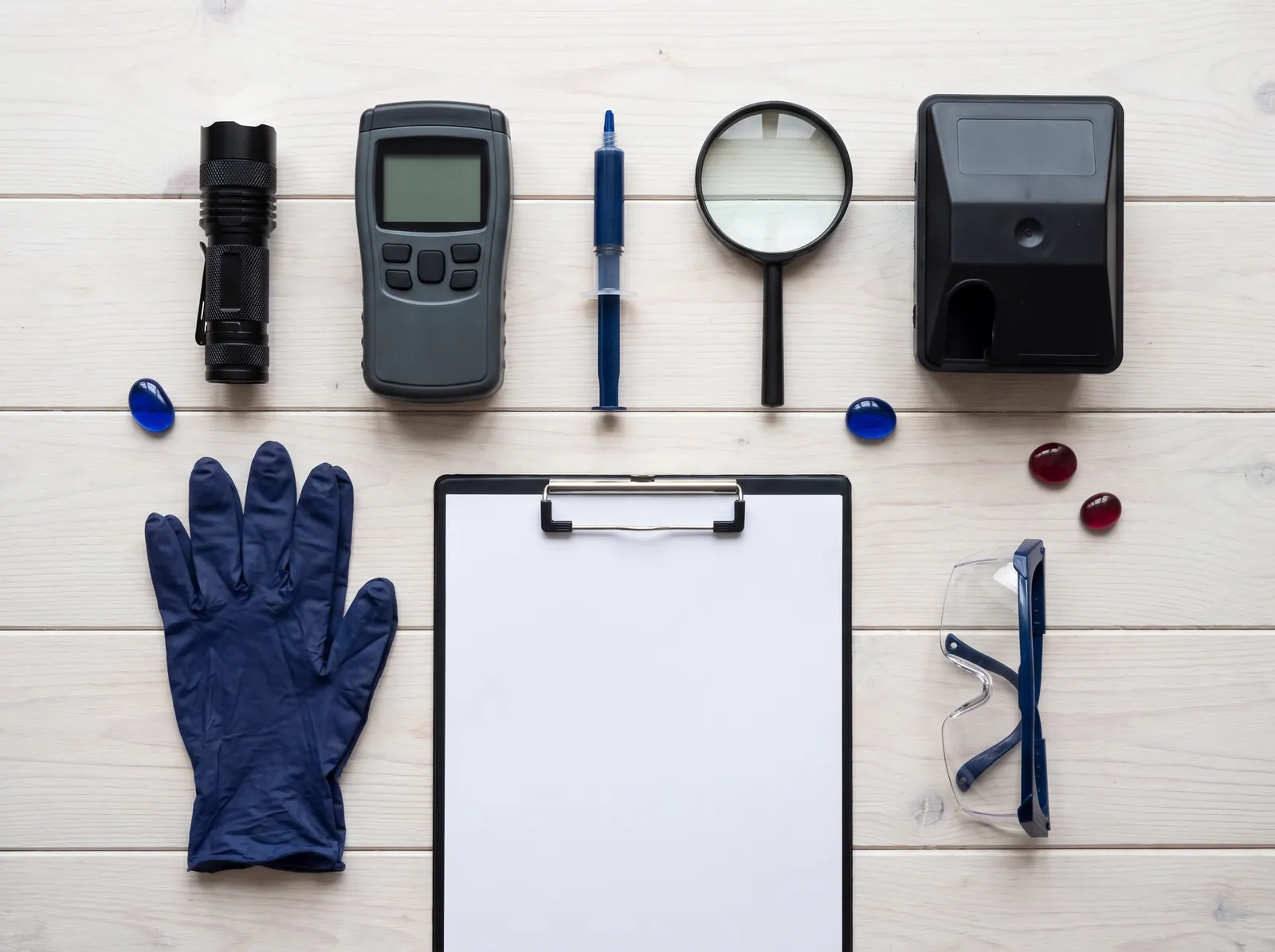
- Inspection: identifying the pest, how far it has spread, entry points and attracting conditions.
- Plan: explaining the options and the precautions needed.
- Targeted treatment: applied by trained technicians following label directions.
- Re-entry guidance: when it is safe to return and what to avoid.
- Service report: what was done, where, and with which products.
- Prevention: practical steps to stop pests coming back.
For specific services, a warranty applies to the treated area as set out in the service agreement. Pests can still arrive from neighbouring properties or outdoors, which is why proofing and housekeeping matter so much.
Talk to our Goa team
If you want a safer, more targeted approach for your home or business, contact our Goa branch in Chimbel. Tell us the pest, the type of property and any concerns about children, pets or food areas, and we will explain the options clearly.
Frequently asked questions
QIs your pest control ISO certified?
We do not advertise ISO certification. ISO standards cover management systems and are voluntary; they are not a licence to apply pesticides. What we can confirm is that our Goa operation is a licensed pest control operator under the Directorate of Agriculture, Goa, and uses CIB&RC-registered products. Material Safety Data Sheets are maintained for the products we use, and service reports are shared after visits.
QCan treatments be done without chemicals?
Some problems can be reduced a great deal through non-chemical steps such as sealing entry points, fixing leaks, removing food sources, traps and better waste handling. These form the first part of an IPM approach. Many established infestations, however, still need a targeted treatment to bring them under control. Your technician will explain which steps you can take yourself and where treatment is genuinely needed.
QWhat should pet owners do on the day of treatment?
Keep pets in a separate room or away from the property while work is carried out. Put away food and water bowls, toys and bedding from treatment areas, and cover or move aquariums. After the visit, keep pets out until surfaces are dry or for as long as the technician advises. If a pet seems unwell afterwards, contact a vet and share the product details from your report.
QWill a treatment affect my potted plants or garden?
Indoor treatments such as gel baiting and crack-and-crevice work are aimed at hiding spots, not plants. For outdoor work, tell your technician about plants, vegetable patches or ponds near the treatment area so they can plan around them. Moving potted plants away from walls being treated is a simple precaution. Garden and plantation pest control is a separate specialist area.
QHow can I check whether a pest control company in Goa is properly licensed?
Ask the company for its state pest control operator licence details and the names of the products it plans to use, then check that those products are CIB&RC-registered. A reliable operator should also be able to share Material Safety Data Sheets and give you a written service report. Be cautious of claims that cannot be backed with documents.
QWhat if pests come back after treatment?
For specific services, a warranty applies to the treated area as set out in your service agreement, and terms vary by pest and treatment. It does not cover pests arriving from neighbouring homes or outdoors, structural changes, new construction, or cases where post-service instructions were not followed. Ask your technician for prevention steps suited to your property.
Last updated 13 October 2026. Information on this page is general guidance; your technician will advise on your specific property after inspection.