Quick answer
Supermarket pest control in Goa works best as a year-round programme, not one-off spraying. Check every delivery at receiving. Keep the back store dry, raised and rotated. Inspect shelves for damaged packs and insect activity. Monitor rodents with numbered, tamper-resistant bait stations and traps. Record every visit, sighting and corrective action. Goa's humid climate and heavy monsoon make moisture control and drain hygiene especially important.
Key points
- The receiving bay is the main control point: inspect deliveries and quarantine anything showing signs of pests.
- First-in, first-out stock rotation and same-day cleaning of spillage limit stored-product insects such as weevils, flour beetles and grain moths.
- Rodent monitoring uses numbered, tamper-resistant bait stations on the perimeter, with traps or non-toxic monitors generally preferred inside food areas.
- FSSAI Schedule 4 and HACCP-based systems expect pest control to be planned and recorded, with service reports, site plans, monitoring logs and corrective actions.
- Goa's humid climate and heavy south-west monsoon make moisture control, drain hygiene and proofing especially important.
Supermarket pest control in Goa is less about spraying and more about three things: what comes into the store, where it is kept, and how quickly problems are spotted. A grocery store holds a large volume of food and takes deliveries most days. It also has back stores, chillers and waste areas that pests find attractive.
This guide is for store owners, operations managers and food-safety leads who want a practical routine against rodents, stored-product insects, flies and cockroaches. It covers receiving and back-store practice, shelf and stock checks, rodent monitoring, and the records that inspectors and auditors usually expect to see.
Why do supermarkets and grocery stores attract pests?
Every pest needs food, water, warmth and shelter, and a supermarket offers all four:
- Dry goods such as grains, pulses, flour, dry fruit, pet food and spices feed rodents and stored-product insects.
- Fresh food areas such as produce, meat and fish counters, bakery sections and waste bins attract flies.
- Warm equipment, especially the motors behind refrigerated cabinets and chillers, gives cockroaches shelter close to food.
Deliveries add a constant route in. Cartons, sacks and pallets can carry insect eggs, larvae or even a mouse from a supplier's warehouse. Loading doors are also often left open for long periods.
Goa's humid coastal climate and very heavy south-west monsoon add pressure. Damp raises the moisture in stored goods, which suits many stored-product insects and moulds. Heavy rain can also push rodents and cockroaches out of drains and open ground and into buildings.
Which pests matter most, and where do they show up?
| Pest | Where to look | Typical signs |
|---|---|---|
| Rats and mice | Receiving bay, back store, under shelving, waste area, false ceilings | Droppings, gnawed packs, grease smears along walls, shredded paper or cardboard, urine smell |
| Stored-product insects (weevils, flour beetles, grain moths, pulse beetles, cigarette beetles) | Rice, atta, dals, semolina, dry fruit, spices, cereals, pet food | Small holes in packs, fine powder or frass, webbing and clumping, small moths in the aisle, live beetles in shelf channels |
| Cockroaches | Behind chillers and freezers, bakery and deli counters, staff pantry, drains, electrical panels | Insects seen at night, pepper-like droppings, egg cases, musty odour |
| House flies, fruit flies, drain flies | Fresh produce, waste and returns area, drains, meat and fish counters | Flies resting on walls and lights, larvae in waste or drain sludge |
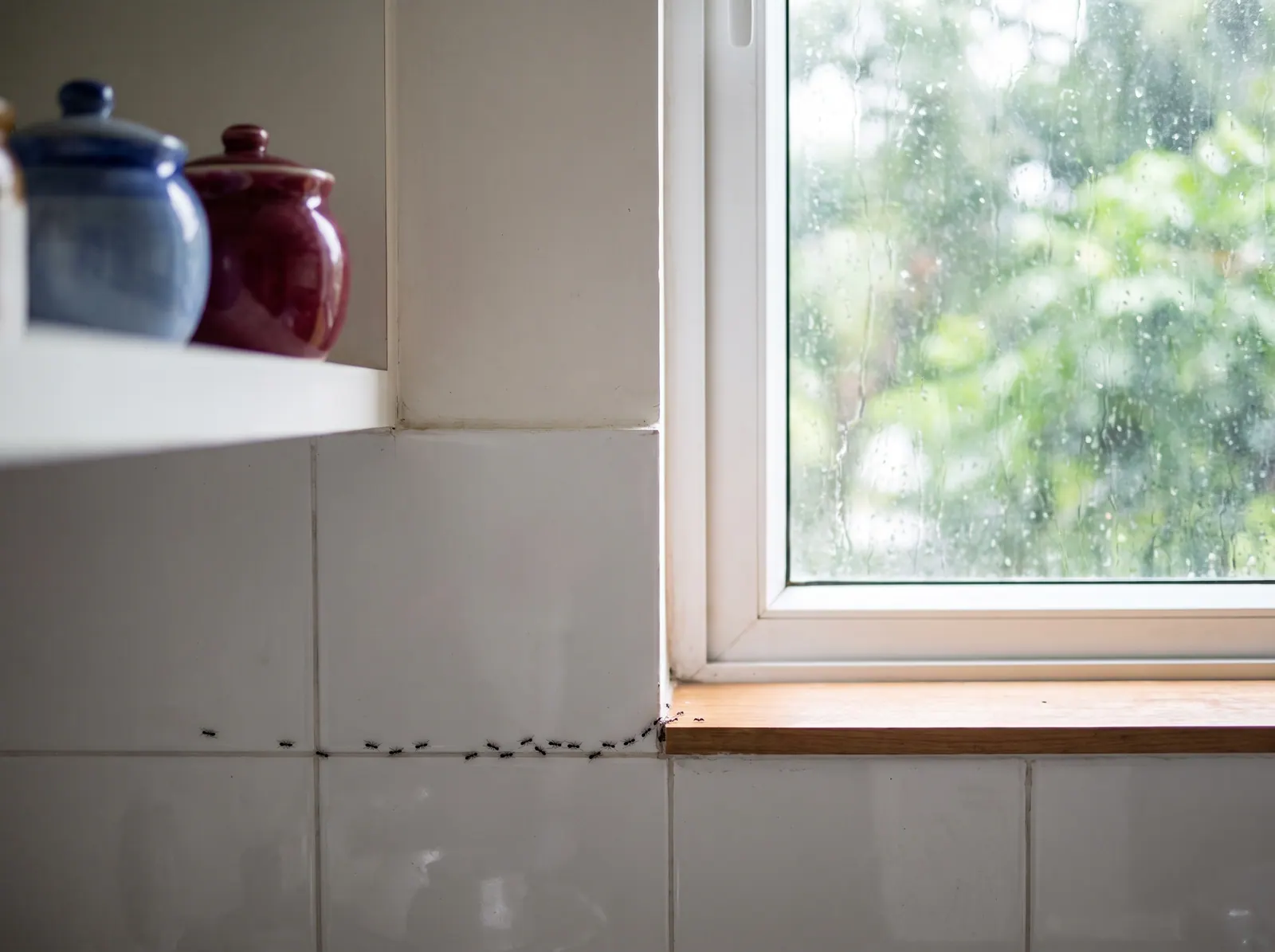
| Ants | Sugar, confectionery, honey, bakery, skirting and cable runs | Trails, workers inside packs that look sealed |
| Birds | Loading bay, open ducts, ledges above entrances | Droppings, nesting material, feathers |
How should receiving and the back store be managed?
The receiving bay is the most important control point in the store. A problem stopped at the door never reaches the shelf.
At receiving
- Inspect each delivery before accepting it. Look at the outside of cartons and sacks for gnaw marks, holes, droppings, webbing or live insects.
- Open a sample of high-risk dry goods, such as rice, pulses, flour, dry fruit and pet food, and check inside.
- Reject or quarantine anything showing signs of pests. Note it on the delivery record with the supplier's name.
- Look at the delivery vehicle where you can. A dirty truck bed is an early warning about a supplier.
- Keep receiving doors closed between deliveries. Fit door sweeps or strip curtains so there is no gap at the bottom.
- Break down and remove empty cardboard promptly. Stacks of cartons are ideal shelter for rodents and cockroaches.
In the back store
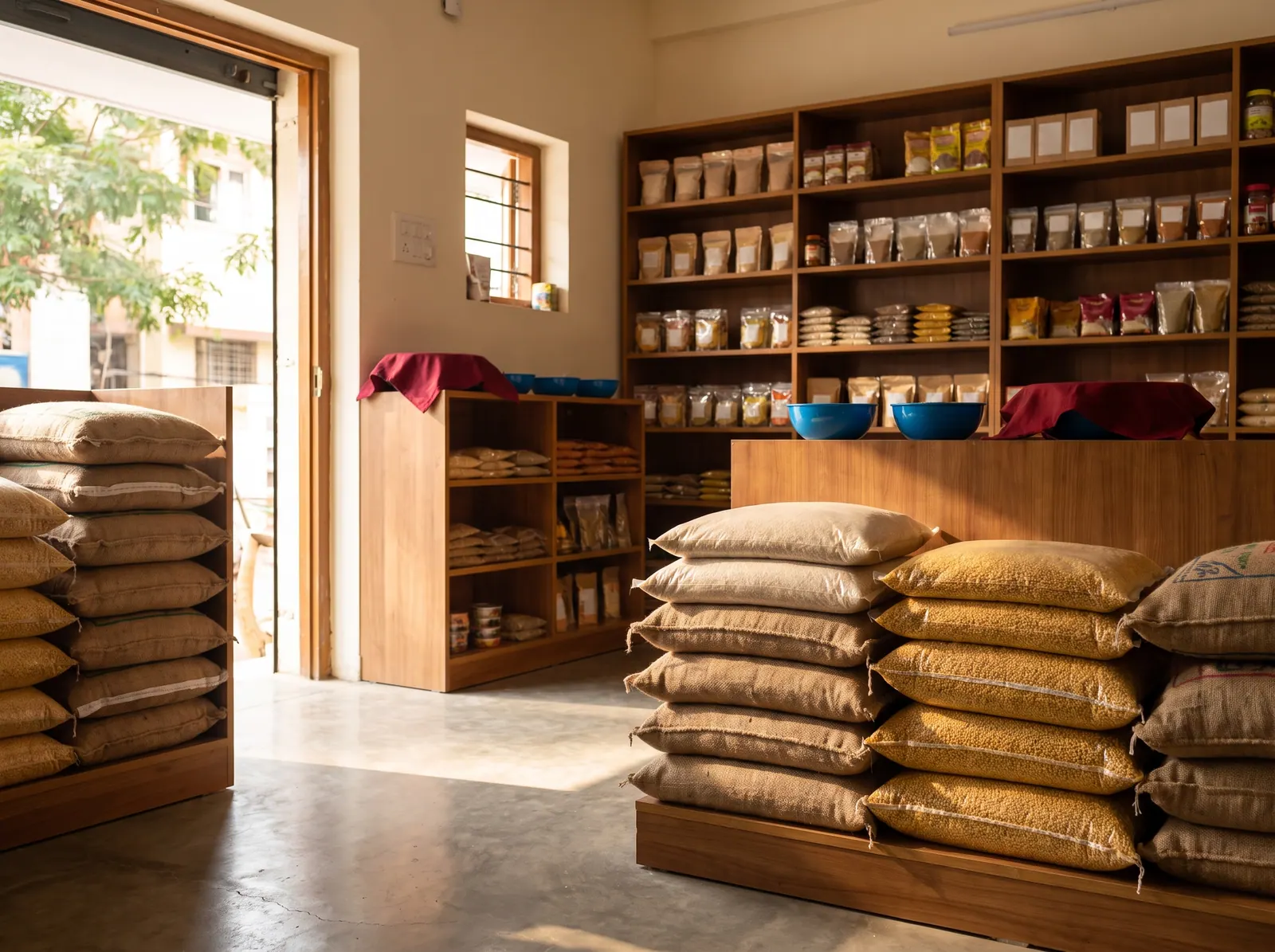
- Store goods on pallets or racks, off the floor and away from walls. Leave a clear strip around the perimeter so it can be inspected.
- Keep high-risk dry goods together in one zone so they are easy to check.
- Keep the store dry. Fix leaks and roof seepage before the monsoon, and do not keep goods under windows or against damp walls.
- Clean up spilled grain, flour and sugar the same day. Spillage under racking keeps an infestation going even after the infested stock has gone.
- Seal gaps where pipes, cables and drains pass through walls, and keep drain covers in place.
- Set aside a marked quarantine area for damaged, returned or suspect stock, well away from good stock.
What should shelf and stock checks look for?
Stored-product insects build up quietly. One infested pack of dal or a forgotten sack of semolina can spread to the stock around it if it sits long enough. Regular, simple checks therefore matter more than occasional deep cleans.
Stock rotation
Use first-in, first-out rotation, or first-expiry, first-out, especially for grains, pulses, flour, dry fruit, spices and pet food. Older stock is more likely to be infested, so slow-moving lines deserve the closest attention. Do not stack new packs on top of old ones; bring the older packs forward instead.
A simple shelf-check routine
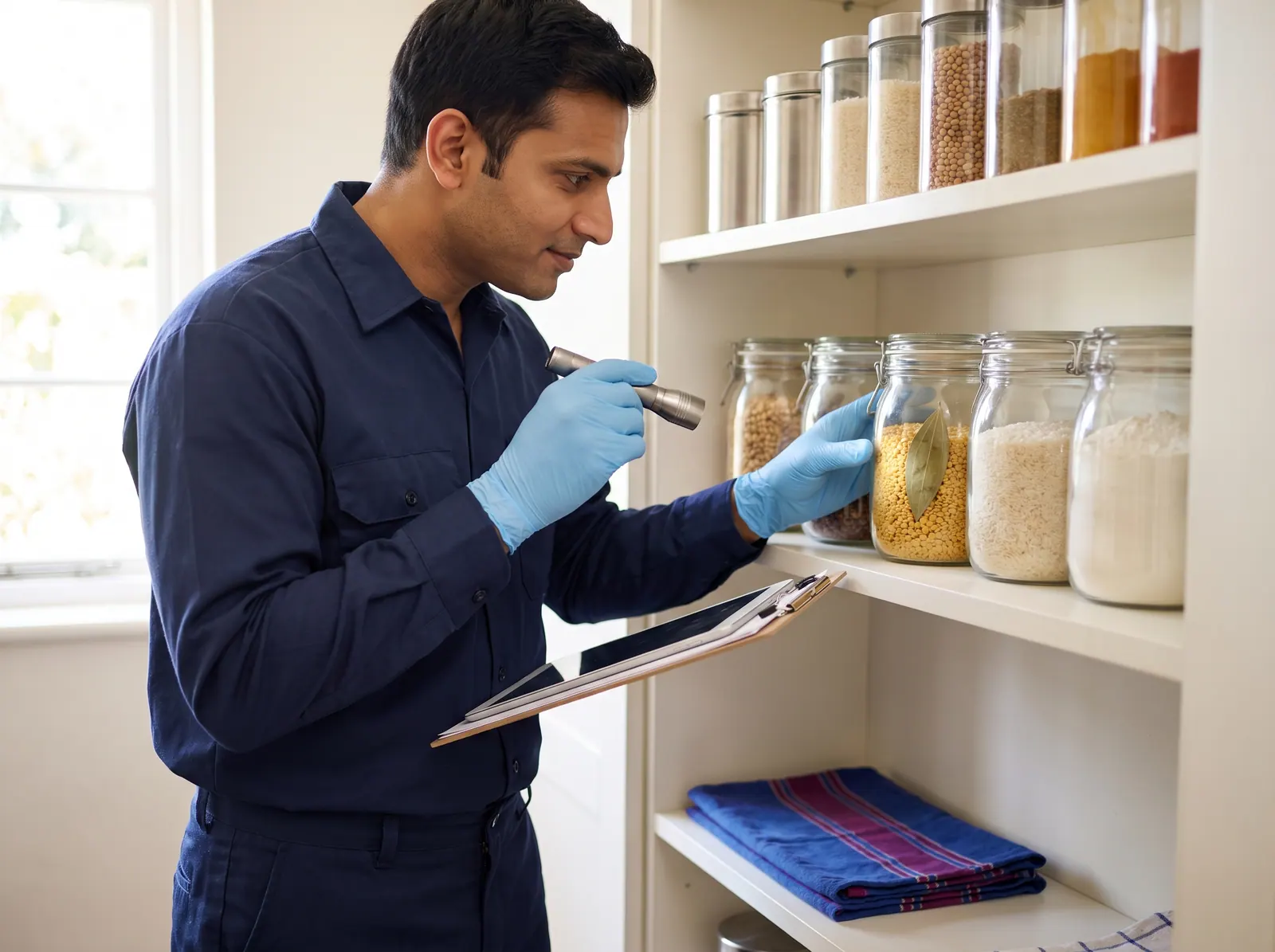
- Check one section each day, so every aisle is covered over the week.
- Look along shelf edges, corners and channels for live insects, small moths, webbing and powdery frass.
- Check pack seams and bottoms for tiny holes, and lift a few packs to look underneath.
- Give extra attention to pet food, bird seed and loose or bulk bins, which are frequent starting points.
- Check the back of each shelf and the gap under the bottom shelf for droppings and spillage.
- Bag anything suspect, move it to quarantine, and record what you found and where.
If you find infested product, do not spray the shelf with a household aerosol. Instead:
- Remove the affected stock.
- Vacuum and clean the shelf.
- Check the packs on either side.
- Tell your pest control provider so they can trace the source.
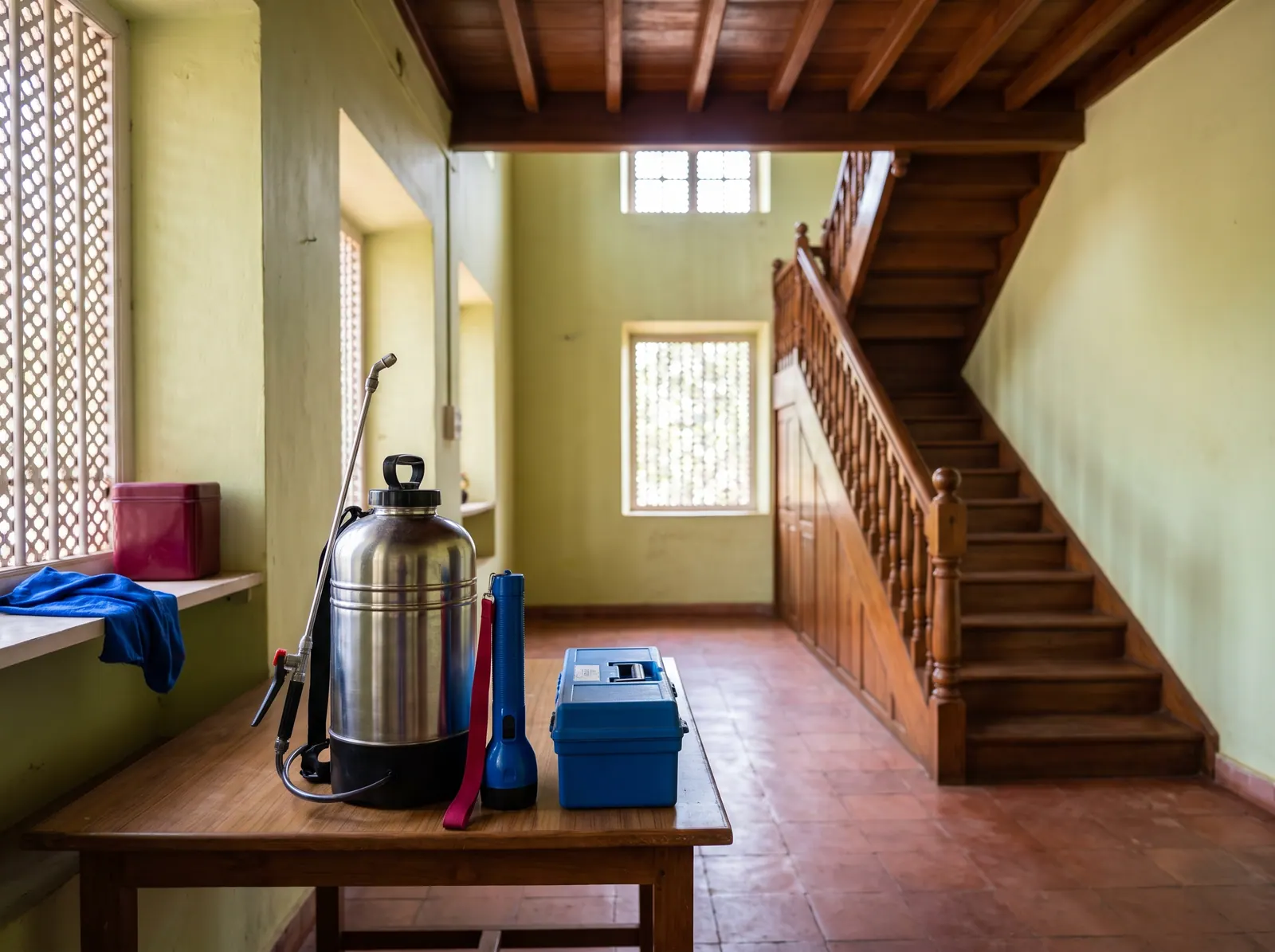
Any treatment in food areas should be targeted and applied by trained technicians following the product label, with exposed food removed or covered. Keep staff and customers away from treated areas until they are dry or as the technician advises. Ventilate the area, and wash hands after handling anything from a treated surface.
Sometimes a whole consignment or storage area is heavily infested. In that case fumigation may be the appropriate method. It is a specialised process carried out under strict safety controls, never something to improvise in a store.
How does rodent monitoring work in a supermarket?
Rodent control in a food store is built on monitoring, not on putting down bait whenever someone sees a rat. A good programme tells you three things: where rodents are trying to get in, whether activity is rising or falling, and whether proofing work has succeeded.
A typical monitoring layout
- An outer line of tamper-resistant, lockable bait stations around the external perimeter, the receiving bay and the waste area.
- Inside the store, especially near food, traps or non-toxic monitoring devices rather than loose bait. This is generally preferred so that bait, or rodents that have eaten it, are not carried into food areas.
- A number for every station and trap, marked on a site plan, so each one can be checked and its activity recorded.
- Stations secured in place where trolleys and pallet jacks will not knock them over.
What store staff can do between visits
- Report droppings, gnaw marks or sightings straight away, with the exact location.
- Do not open, move or remove stations. Tell your provider if one is damaged or blocked by stock.
- Keep waste bins lidded and clear the waste area daily.
- Check that shutters close fully, and that gaps under doors and around pipes and drains stay sealed.
Proofing is the long-term fix. Rats and mice can squeeze through surprisingly small gaps, so each inspection should identify entry points, and the store should act on the proofing advice. Our page on rodent control in Goa explains how we approach inspection, bait stations, traps and proofing.
How do you control flies, cockroaches and ants around fresh food and drains?
Flies breed in moist, decaying material such as waste, damaged produce, drain sludge and spilled juices. Removing these breeding sources does more than any treatment:
- Remove waste daily and keep bins clean.
- Keep drains and gullies clean.
- Dispose of spoiled produce promptly.
Where insect light traps are used, place them so they do not draw flies towards open food. Our guide to fly control in Goa covers house flies, fruit flies and drain flies.
Cockroaches in supermarkets often hide in the warm spaces behind chillers, in bakery and deli counters, and in the staff pantry. Gel baiting and targeted crack-and-crevice treatment reach these hiding places without broad spraying over food. Read more about our cockroach control service in Goa.
Ants are drawn to sugar, confectionery and bakery sections. Baiting near trails and nests usually works better than spraying the ants you can see, which can scatter a colony.
Birds at open loading bays can nest on ledges and in ducts. Bird netting can close off these spaces.
What documentation should a supermarket keep?
Good records show that pest control is planned and that problems are followed up. FSSAI Schedule 4 hygiene requirements expect food businesses to keep their premises protected from pests. HACCP-based food safety systems treat pest control as a prerequisite programme. In practice, auditors and inspectors commonly look for evidence such as:
- A pest control contract or service schedule showing what is covered and how often.
- A site plan showing numbered bait stations, traps and any insect light traps.
- A service report for every visit, covering the date, areas inspected, findings, treatments applied and recommendations.
- Monitoring records showing activity at each station and trap over time.
- An in-store pest sighting log filled in by staff, with the action taken.
- Corrective actions and proofing work, with completion dates.
- Material Safety Data Sheets and label information for the products used.
- A copy of the pest control operator's licence, and confirmation that products are registered with the CIB&RC under the Insecticides Act, 1968.
- Records of deliveries rejected or quarantined because of pests.
Review the trend, not just the latest report. Rising activity at one station near the receiving bay, or repeated insect finds in one aisle, points to a source that needs fixing.
How do we approach pest management for grocery stores in Goa?
Our Goa branch in Chimbel follows an Integrated Pest Management (IPM) approach. We inspect first, then give sanitation and proofing advice, then apply targeted treatment where it is needed. For food retail, that means treating receiving, back stores, shelves, chillers, waste and drains as one connected system.
Our credentials and records:
- We are a licensed pest control operator with the Directorate of Agriculture, Goa, and we use CIB&RC-registered products.
- We maintain Material Safety Data Sheets for the products we use.
- We share service reports after visits, along with WhatsApp updates.
- We prepare documentation for food businesses aligned with HACCP and FSSAI audit expectations.
Our commercial pest control and annual maintenance contracts provide scheduled visits with service reports. You can read more about how we work.
Planning a pest programme for a supermarket, grocery store or food storage area in Goa? Contact our Goa branch with your location, the size of the store and the problems you are seeing, and we will talk you through the options. You can also browse our Goa pest control FAQs or check the towns listed on our Goa branch page.
Frequently asked questions
QCan pest control be carried out while the supermarket is open?
Many routine tasks can be done with little disruption, such as checking bait stations, inspecting traps and placing gel bait in cracks. Treatments in food areas are different. Exposed food must be removed or covered, and people kept away until surfaces are dry or as the technician advises. These treatments are therefore often planned for quieter times, or for when a section can be closed off. Agree timings with your provider when the schedule is set up.
QHow often should a grocery store have pest control visits?
It depends on the store's size, layout, type of stock and pest history. Most food retailers benefit from a regular scheduled programme with monitoring and written reports, rather than calling someone only when a problem appears. Visits may need to be more frequent during the monsoon, or while an existing infestation is brought under control. An inspection is the best starting point for a schedule that fits your store.
QWhat should we do with stock that has weevils or moths in it?
Take the affected packs off sale straight away. Bag them and move them to a quarantine area away from good stock. Check the neighbouring packs and the shelf, clean up any spillage, and record the batch, supplier and location. Tell the supplier if the problem seems to have arrived with the goods. Do not spray insecticide on food or packaging yourself; let your pest control provider trace and deal with the source.
QAre rodent bait stations safe to have in a food store?
Tamper-resistant, lockable bait stations are designed to keep bait enclosed, away from customers, children and pets. They are usually placed on the outside perimeter and in non-food areas. Inside food areas, traps or non-toxic monitors are generally preferred. Every station should be secured, numbered on a site plan and checked at each visit. Store staff should report damaged stations rather than opening or moving them.
QWhy do pest problems often get worse during the monsoon in Goa?
Heavy rain floods drains and burrows, which can drive rodents and cockroaches indoors. Higher humidity raises the moisture in stored goods and cardboard, which suits many stored-product insects and moulds. Wet waste also attracts flies. Before the monsoon, fix leaks, keep stock off damp floors and walls, clean drains and tighten receiving checks. This makes the season much easier to manage.
QDoes a supermarket need regular fumigation?
Usually not. Fumigation is a specialised method for stored goods, spaces or consignments where it is the appropriate solution, such as a heavy infestation in bulk stock. Most stores keep stored-product insects under control through receiving checks, stock rotation, cleaning and targeted treatment. When fumigation is needed, it must be carried out by trained operators under strict safety controls, never improvised by store staff.
Last updated 13 October 2026. Information on this page is general guidance; your technician will advise on your specific property after inspection.