Quick answer
In most Hyderabad rentals, the landlord usually handles structural pest problems such as termites, wood borer in the owner's fittings and rodent entry through building gaps, along with a treatment before a new tenant moves in. Tenants usually handle everyday pests linked to daily living, such as cockroaches, ants and mosquito breeding in their own containers. Practice varies, so write the split into the rental agreement. This is not legal advice.
Key points
- Structural pests such as termites and rodent entry through building gaps are commonly the landlord's responsibility.
- Everyday pests linked to daily living, such as cockroaches and ants, are commonly the tenant's responsibility during a tenancy.
- A short written clause in the rental agreement, plus dated photos and service reports, prevents most disputes.
- Pests coming from shared shafts and common areas usually need action through the housing society.
- This guide is general and not legal advice; the rental agreement and applicable law decide each case.
When pests turn up in a rented flat or house, the first question is often not how to get rid of them. It is who should arrange the treatment and who should pay. This guide explains how tenant and landlord pest control responsibilities are commonly divided in Hyderabad rentals. It also shows how to write the split down so there is less room for disagreement later.
Please note: this is a practical guide, not legal advice. What applies to your home depends on your rental agreement and the law that governs it. If you have a dispute, speak to a lawyer or the appropriate authority.
Who usually handles pest control in a rented home?
A simple rule of thumb works for most rentals. Problems that come from the building usually belong with the owner. Problems that come from day-to-day living usually belong with the occupant. Termites in door frames are a building problem. Cockroaches drawn by food left out overnight are a living problem.
Many cases fall in between. Cockroaches spreading up from a shared drain shaft, or rats getting in through a gap around a pipe, are not caused by the tenant, even though the tenant is the one who notices them. That is why a clear agreement matters more than any rule of thumb.
Before the tenancy: what should happen before keys change hands?
The easiest time to deal with pests is when the home is empty. Cupboards are bare, furniture can be moved, and any treatment can dry without anyone living around it.
Checklist for landlords
- Arrange a general treatment for crawling insects in the kitchen, bathrooms and drains between tenants, and keep the written service report.
- Check wooden door frames, skirting, wardrobes and modular kitchen units for termite mud tubes, hollow-sounding wood or fine powder left by wood borers.
- Seal obvious gaps around pipes, drain outlets and under doors that rodents or cockroaches could use.
- Clear standing water from balconies, flower pots, sumps and overhead tank lids, as these are common mosquito breeding spots.
Checklist for tenants
- Walk through the home before signing. Look inside cupboards, under sinks and in the fridge space for droppings, cockroach egg cases or dead insects.
- Ask when the home was last treated and for which pests, and ask to see the service report if there is one.
- Take dated photos of anything you notice and share them with the landlord in writing, so the condition at move-in is on record.
If the flat has new wooden interiors, our guide to termites in new flats and wooden interiors explains the warning signs to look for during that first walk-through.
Structural vs everyday pests: who usually handles what?
The table below shows a common way of splitting responsibility. Treat it as a starting point for discussion, not a fixed rule. Your agreement can divide things differently.
| Pest | Usual source | Commonly handled by | Notes |
|---|---|---|---|
| Termites | Soil, gaps in the structure, timber in the building | Landlord | Treatment of an occupied building can involve drilling into floors or along walls, so the owner's consent is needed in any case. |
| Wood borer | Infested timber in furniture and fittings | Landlord for owner's items; tenant for own furniture | Fine powder below doors or furniture is a common sign. |
| Rats and mice | Structural gaps, drains, nearby open land; food and clutter | Shared, depending on cause | Proofing gaps is usually the owner's job; storing food and waste properly is the occupant's. |
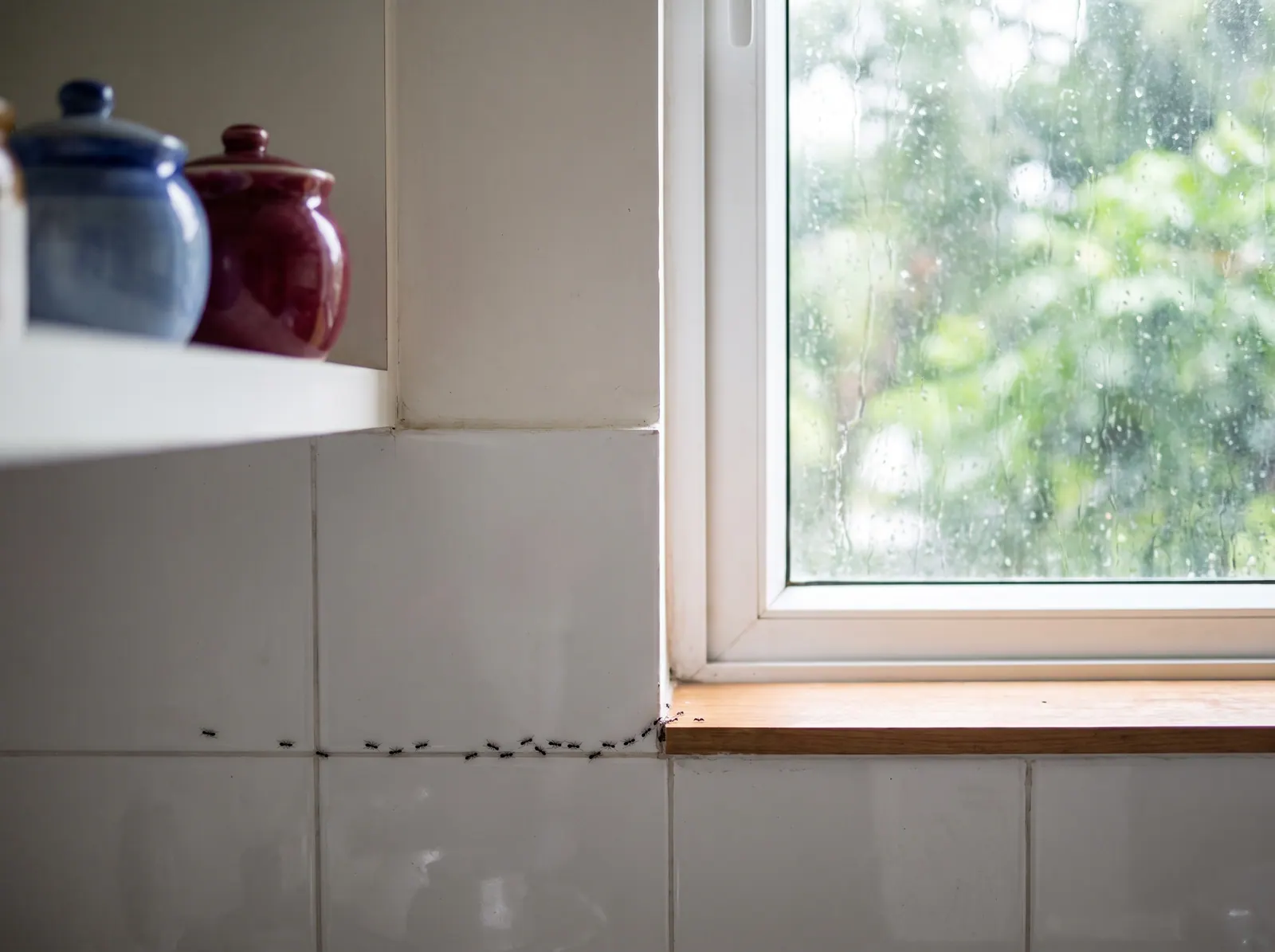
| Cockroaches | Food, moisture, drains, shared shafts | Tenant during the tenancy | If present at move-in, or coming from shared shafts, raise it with the landlord or society. |
| Ants | Food, water, outdoor nests | Tenant | Baiting works best when food is kept sealed. |
| Mosquitoes | Standing water | Depends on where water collects | Coolers and containers inside the home: tenant. Tanks, sumps and blocked drains: owner or society. |
| Bed bugs | Usually carried in on luggage, bedding or second-hand furniture | Depends on timing | Bed bugs found right at move-in suggest an existing problem; found months later, the cause is harder to pin down. Discuss promptly. |
| House lizards | Insects near lights, gaps around doors and windows | Tenant | Reducing insects and gaps helps most. |
| Pigeons on balconies | Ledges, ducts and openings | Landlord for fixtures such as netting | Tenants should get permission before fixing anything to the building. |
Termites deserve special attention because damage builds up out of sight and treatment involves the structure itself. Our guide to post-construction termite treatment for flat owners explains what the work involves, which helps both sides agree on access and timing.
What about housing societies and shared areas?
In apartment complexes, much of the pest pressure comes from common areas: drain and duct shafts, garbage collection points, basements, sumps and terraces. Treating one flat while the shafts stay untreated often gives only short-lived relief. Our guide to cockroaches in Hyderabad high-rise apartments explains why shafts and ducts matter so much.
Tenants can report problems in common areas but usually cannot commission work there. The landlord, as the member of the society or association, is normally the right person to raise it. Seasons matter too: Hyderabad's monsoon brings mosquitoes and drain pests, while the hot, dry summer pushes ants and cockroaches indoors in search of water. The Hyderabad pest calendar can help landlords and societies plan treatments ahead of the busy months.
How should pest control be written into the rental agreement?
Most disputes happen because nobody wrote anything down. A short clause agreed at the start saves arguments later. Points worth covering:
- Condition at move-in: whether a pre-tenancy treatment was done, the date, the pests treated, and a copy of the report.
- Structural pests: who arranges and pays for termite treatment, wood borer in the owner's fittings and sealing of entry points.
- Everyday pests: who handles routine control during the tenancy, and roughly how often.
- Reporting: the tenant reports signs of pests in writing promptly; the landlord responds within a reasonable time.
- Access and preparation: notice for treatment visits, who empties cupboards and moves furniture, and who is present during the visit.
- Records: both parties share copies of any service reports.
- Moving out: whether a treatment is expected before handover, and who pays for it.
Example wording, to adapt to your situation:
The Owner will arrange and pay for treatment of termites, wood borer in the Owner's fittings and furniture, and the sealing of structural entry points. The Tenant will keep the premises clean and arrange routine control of cockroaches, ants and similar household pests during the tenancy. Either party will inform the other in writing within a reasonable time of noticing signs of pests, and both will share copies of any pest control service reports.
Have the final wording checked if you are unsure. Whoever books a treatment should keep the service report showing the date, areas treated and pests targeted. Ask whether the provider is a licensed pest control operator using products registered with the CIB&RC under the Insecticides Act, 1968. Also note that any warranty on a treatment usually covers the treated area under the client's service agreement. If a tenant books a termite treatment, check how that warranty will pass to the owner when the tenant leaves.
During the tenancy: what can tenants do day to day?
Most everyday pest problems are easier to prevent than to treat. A few habits make a real difference:
- Store food, including pet food, in sealed containers and wipe kitchen surfaces at night.
- Empty kitchen bins daily and keep the lid closed.
- Report leaking taps and pipes early, since moisture attracts cockroaches and other insects.
- Change water in desert coolers, plant trays and buckets regularly to stop mosquitoes breeding.
- Keep drain covers in place and avoid stacking cardboard boxes, which shelter cockroaches.
If you use household pest products, follow the label directions, keep children and pets away from treated areas until they are dry, ventilate the room and wash your hands afterwards. Do not mix products or spray near food preparation areas. If anyone has a reaction to a bite, sting or product, see a doctor. Our dos and don'ts of pest control covers more practical points.
Moving out: how do you avoid pest disputes at handover?
A tidy handover protects the tenant's deposit and gives the next tenant a clean start.
- Do a joint inspection and compare the condition with the move-in photos and notes.
- If the agreement requires a treatment before handover, book it early enough for treated areas to dry, and give the landlord the service report.
- Empty and clean the fridge, kitchen cabinets and drains, and do not leave food, cardboard or rubbish behind.
- Landlords should inspect again before the next tenant moves in and arrange treatment if needed.
Any deduction from a deposit for pest control is easier to justify, and to accept, when it is linked to the agreement and backed by photos or reports. Blanket deductions without evidence tend to cause disputes.
Getting help in the Hyderabad region
Efficacy Pest Control was founded in Goa, where it follows an Integrated Pest Management approach: inspection first, then sanitation and proofing advice, then targeted treatment. You can read about our new Hyderabad branch in Shamshabad and common questions on the Hyderabad branch FAQ page.
Our Shamshabad branch has recently opened. Whether you are a tenant or a landlord, tell us your location and the problem, and we'll confirm whether we can help.
Frequently asked questions
QShould the landlord pay for termite treatment in a rented flat?
In many rentals, yes. Termites usually come from the soil or the building structure rather than from how the tenant lives, and treating an occupied building can involve drilling into floors or walls, which needs the owner's consent. That said, there is no single rule for every home. What matters is what your rental agreement says, so it is worth adding a clear clause on termites before signing.
QWho pays if cockroaches were already there when I moved in?
If cockroaches were present at move-in, it is reasonable to raise this with the landlord, because the problem existed before your tenancy. This is where dated photos and a written message sent soon after moving in really help. Once a home has been treated and is clear, routine cockroach control during the tenancy is commonly the tenant's responsibility, unless the agreement says otherwise.
QCan a tenant arrange pest control without asking the landlord?
For routine treatment of everyday pests inside the home, such as cockroaches or ants, tenants often go ahead on their own. For anything involving the structure, such as drilling for termite treatment or fixing bird netting to balconies, get the landlord's written permission first. Either way, keep the service report and share a copy with the landlord so there is a record.
QCan a landlord deduct pest control costs from the security deposit?
It depends on the rental agreement and the circumstances. A deduction is easier to justify when the agreement sets out who handles pests at move-out and when photos or reports show the condition at the start and end of the tenancy. Without that evidence, deductions often lead to disagreements. For a genuine dispute, seek proper legal advice.
QIs the housing society responsible for pests in common areas?
Common areas such as drain shafts, garbage points, basements and terraces are generally managed by the society or residents' association, not by individual tenants. If pests seem to be coming from these areas, tell your landlord, who as the owner and member is usually the right person to raise it with the society. Treating one flat alone may give only temporary relief.
QIs it safe to stay in the flat during a pest control treatment?
It depends on the treatment and the products used. Follow the technician's instructions and the product label. As a general rule, keep children and pets away from treated areas until they are dry or for as long as advised, ventilate the rooms, and wash your hands after touching treated surfaces. If anyone feels unwell afterwards, see a doctor.
Last updated 13 October 2026. Information on this page is general guidance; your technician will advise on your specific property after inspection.