Quick answer
After a flood or waterlogging in Hyderabad, expect rats pushed out of drains within days, cockroaches and flies around drains and wet waste, and a mosquito surge a week or two later. Make the property safe first. Then remove spoiled food and wet rubbish, secure drains and rodent entry points, and empty every container holding water. Dry the building thoroughly, and see a doctor for any fever after floodwater contact.
Key points
- Rats and cockroaches displaced from flooded drains tend to appear within days, so secure drain covers and entry points early.
- Mosquito numbers often rise a week or two after waterlogging, because standing water left behind becomes breeding sites.
- Scrubbing containers matters as well as emptying them, because Aedes eggs stick to container walls above the waterline.
- Clean and dry surfaces before any treatment; spraying on wet or muddy surfaces is usually wasteful.
- See a doctor for any fever or illness after contact with floodwater, and mention the exposure.
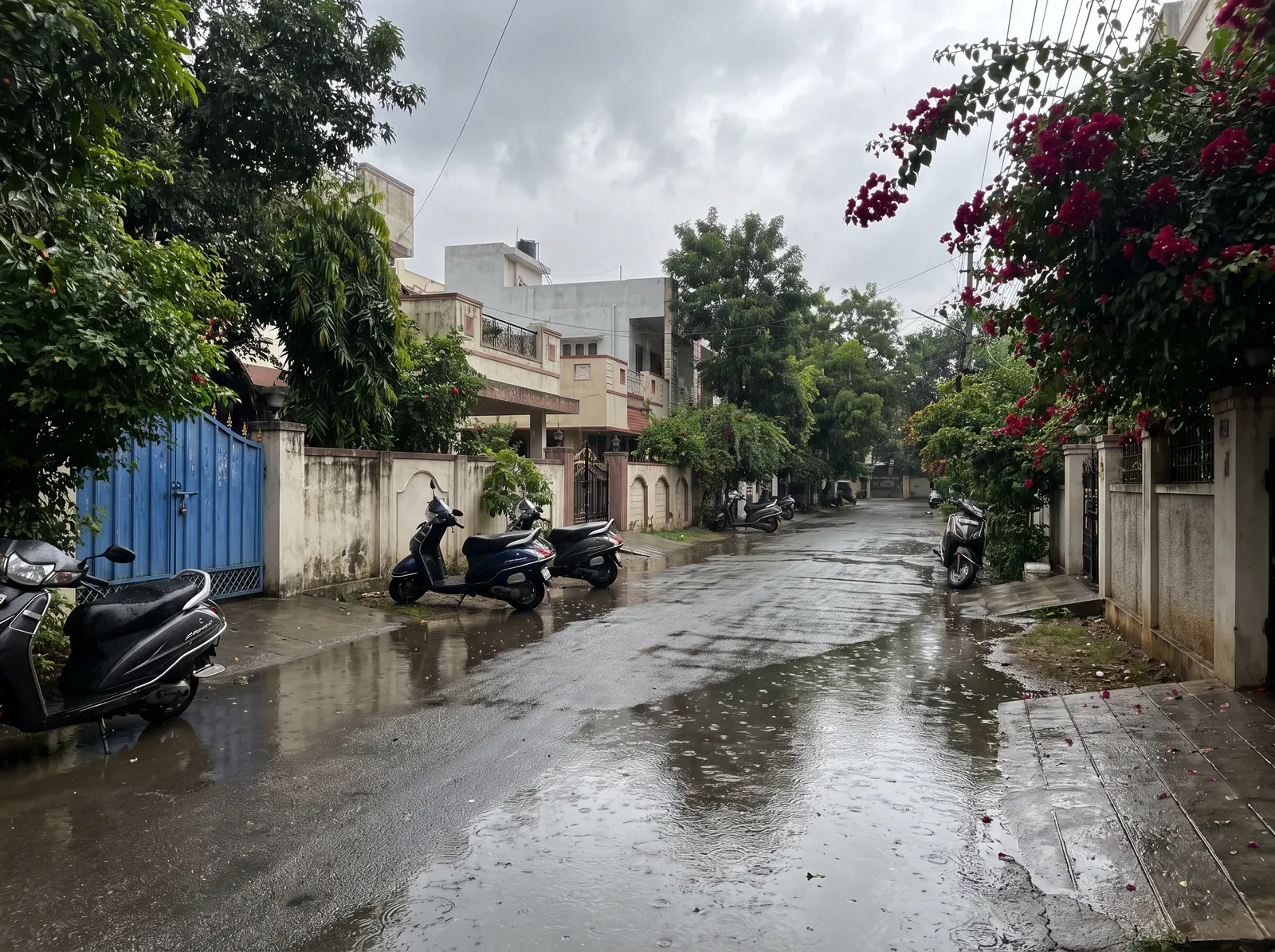
Heavy rain on the Deccan plateau often comes in short, intense bursts. When storm-water drains and nalas overflow, low-lying streets, ground-floor homes, shops and cellar parking can sit under water for hours or days. Once the water drops, a predictable set of pest problems follows.
This guide explains what to expect from pests after a flood in Hyderabad and why they behave as they do. It also sets out the order in which to clean up. In short: protect yourself first and deal with rodents and drains early. Remove standing water before mosquitoes can breed, and dry everything out so flies and damp-loving insects do not settle in.
Immediate safety: before you start cleaning
Floodwater that has passed through drains and streets is not clean water. It can carry sewage, rubbish and urine from rats. Treat everything it touched as contaminated until it has been cleaned.
- Electricity first. Switch off the mains before entering any room where water reached sockets or appliances. Have an electrician check the wiring before you switch back on.
- Protect your skin. Wear rubber boots and waterproof gloves, and cover any cuts or scratches with waterproof dressings.
- Keep children and pets out of floodwater, puddles and debris until the area has been cleaned.
- Move carefully through debris. Rats, snakes and stinging insects often shelter in piles of wet material. Never try to handle a snake: keep your distance, keep others away and call trained rescuers.
- Ventilate before you work. Open doors and windows in closed rooms. Do not mix cleaning products, because some combinations release harmful fumes. Follow the label directions on whatever you use.
- Wash your hands with soap and water after cleaning and before eating or drinking.
Anyone may develop a fever, body ache or other illness in the days or weeks after contact with floodwater. If that happens, or if someone is bitten or stung, see a doctor promptly and mention the flood exposure.
Why do pests move indoors after waterlogging?
Most post-flood pest problems come down to displacement and opportunity. Rats lose their burrows and drain runs. Cockroaches, ants and other crawling insects are flushed out of soil and sewer lines. Every container, sump, pothole and blocked gutter becomes a possible mosquito breeding site, and wet rubbish and spoiled food feed flies.
Each pest shows up on a different timescale, which is why the clean-up order matters:
- Rodents and cockroaches appear almost immediately.
- Mosquito numbers tend to climb a week or more later.
- Damp-loving insects and problems in wet timber can show up over the following weeks.
For the wider picture of the rainy season, see our guide to monsoon pests in Hyderabad.
Rodents and drains: the first problem to tackle
Rats live in and along drains, sewers and burrows in open ground. When these flood, rats move upwards and outwards into ground-floor shops, ducts, storerooms, garbage areas and basements. They are capable swimmers. They can get in through drain openings, broken floor-trap covers and gaps around pipes.
Signs that rats have moved in
- Droppings along walls, in kitchens, storerooms or meter rooms
- Gnaw marks on doors, wiring, plastic pipes or food packaging
- Greasy rub marks along walls where rats run regularly
- Scratching or scurrying at night in false ceilings, lofts or ducts
- Torn sacks or disturbed food stores
What to do
- Replace or secure floor-trap and drain covers, and check that gratings are intact and fixed down.
- Seal gaps around pipes and cables where they pass through walls. Use materials rats cannot chew easily, such as cement or coarse wire mesh.
- Remove wet cardboard, sacks, old furniture and debris piles that give rats shelter.
- Store food, grain and pet food in sealed, hard containers kept off the floor.
- Keep garbage in lidded bins and clear it every day.
Avoid scattering loose rat poison. Rats may die in places you cannot reach. Loose bait is also a risk to children, pets and other animals. Professional rodent programmes are based on an inspection and usually use tamper-resistant bait stations and traps, placed where they will work.
Apartment basements are especially exposed after waterlogging, so include cellar parking, lift pits, sump rooms and meter rooms in your checks for droppings, gnaw marks and standing water.
The mosquito surge: why it comes a week or two later
Mosquitoes need standing water to breed, and floods leave plenty behind. In warm weather, a mosquito can go from egg to biting adult in roughly a week to ten days.
Different mosquitoes use different water:
- Aedes mosquitoes, which can spread dengue, lay eggs on the inner walls of containers just above the waterline. The eggs can survive dry spells and hatch when water reaches them again.
- Culex mosquitoes breed readily in dirty, stagnant water in drains and flooded pits.
This is why the days after the water recedes are the time to act. A weekly round of the property breaks the breeding cycle before new adults emerge.
Post-flood mosquito checklist
- Tip out water from buckets, flower pots, plant saucers, old tyres, coconut shells and discarded containers.
- Scrub the inside walls of containers you keep. Emptying them alone can leave eggs behind.
- Clear blocked gutters, roof drains and terrace outlets.
- Make sure sumps and overhead tanks are tightly covered.
- Check air-conditioner trays and fridge drip trays.
- Drain or fill low spots in compounds and potholes where water stands.
- Use window screens, bed nets and repellents, following the label directions.
In housing societies, one neglected corner can undo everyone else's effort. Agree as a community who checks shared terraces, basements, sumps and gardens each week. Our guide to dengue season mosquito prevention in Hyderabad has more practical steps.
Flies, cockroaches and damp-loving insects
House flies breed in wet garbage, rotting food and the organic sludge floods leave behind. Small drain flies breed in the film that builds up inside drains. Cockroaches flushed out of sewer lines come up through floor traps and kitchen and bathroom drains.
Damp rooms also suit silverfish, millipedes and springtails. These are mostly a nuisance rather than a health risk, and they usually fade as the building dries. If they keep turning up in large numbers, there is usually still damp somewhere: a seepage, a wet wall or a leaking pipe.
- Bag spoiled food and wet waste securely and dispose of it promptly.
- Clean and flush kitchen and bathroom drains, and keep floor traps covered at night.
- Dry rooms with fans and open windows, and move wet mattresses, carpets and cardboard out to dry or for disposal.
- Find and fix seepage and leaks once the water has gone.
Discard any food that touched floodwater. Grain and pulses that only became damp can still turn mouldy or attract storage insects. Our guide to rice and dal pests in Hyderabad kitchens explains what to look for.
Wet wood and termites
Soaked door frames, skirting, cupboards and furniture can stay damp for a long time. Damp timber and wet soil around foundations favour termites and some wood-boring beetles. Over the following weeks, watch for:
- Mud tubes on walls
- Hollow-sounding wood
- Fine powder below furniture
For background, see termite risk in Hyderabad soils and construction.
Clean-up order: what to do first and what can wait
Tackling the risks in the right sequence saves effort and stops one problem feeding the next. Timings are a guide only; go faster if conditions allow.
| When | Priority | Why it matters |
|---|---|---|
| As soon as it is safe | Power off, protective gear on. Remove spoiled food and wet waste. | Prevents injury, and removes what attracts rats and flies. |
| First few days | Pump out water and clear mud. Clean floors and surfaces. Secure drains and floor traps, and seal rodent entry points. | Rats and cockroaches move in quickly and use drains as highways. |
| Within the first week | Empty and scrub water-holding containers. Clear gutters and cover tanks. | Gets ahead of the mosquito breeding cycle. |
| First two weeks | Dry out rooms, furniture and storerooms. Check stored food. Keep drains clean. | Damp keeps flies, cockroaches and damp-loving insects around. |
| Following weeks | Keep up the weekly mosquito round. Watch for rodent signs. Inspect wood for termite or borer activity. | Some problems only show once the immediate clean-up is over. |
When is professional help worth considering?
Householders can manage much of a post-flood clean-up. Consider professional help in these situations:
- Rat activity continues after you have proofed the obvious entry points.
- Cockroaches keep coming up from drains.
- Mosquitoes are breeding in places you cannot reach or manage, such as large compounds, basements or building sites.
- Damp woodwork starts showing signs of termites.
Restaurants, hotels and other food businesses have additional duties. The FSSAI Schedule 4 hygiene requirements expect effective pest control. After waterlogging, cleaning and pest-control records become especially important.
Look for an Integrated Pest Management approach: inspection first, sanitation and proofing advice, then targeted treatment only where it is needed. That is how we work. Spraying while surfaces are still wet or muddy is usually wasteful, because the treatment can be diluted or washed off. Cleaning and drying normally come first.
If a treatment is carried out, follow the technician's instructions and the product label. Keep children and pets away from treated areas until they are dry or as advised. Our guide on what to do in the first 48 hours after pest control explains the practical steps.
Contacting our Shamshabad branch
Efficacy Pest Control was founded in Goa. Our Goa operation follows an Integrated Pest Management approach: inspection first, then sanitation and proofing advice, and targeted treatment where it is needed.
Our Shamshabad branch has recently opened. Tell us your location and the problem, and we'll confirm whether we can help. You can find more on our Hyderabad branch page.
Frequently asked questions
QHow soon after a flood do mosquitoes increase?
Mosquito numbers usually rise a week or two after the water recedes. In warm weather, eggs laid in standing water can become biting adults in roughly a week to ten days. Aedes eggs already stuck to container walls can also hatch once water reaches them. Emptying and scrubbing water-holding containers within the first week, and repeating this every week, is the most effective way to stop the surge.
QIs it safe to put down rat poison myself after waterlogging?
Scattering loose rat poison is not advisable, especially in homes with children or pets. Rats may carry bait around or die in walls, ducts and false ceilings, where they cause odour and attract flies. Start with proofing: secure drain covers, seal gaps around pipes, remove debris and store food in sealed containers. If activity continues, a professional inspection can place tamper-resistant bait stations and traps where they will be effective.
QShould I spray insecticide while floors are still wet after a flood?
Generally, no. Treatments applied to wet or muddy surfaces can be diluted or washed away, and dirt and spoiled food will keep attracting pests anyway. Clean and dry the area first, remove wet waste and fix drain covers. If cockroaches, flies or other insects persist once things have dried, a targeted treatment is more likely to work. Always follow label directions and keep children and pets away until treated surfaces are dry.
QWhat should I do with rice, dal and other food that got wet?
Throw away any food that came into contact with floodwater, including sealed packets whose outer surface was submerged, unless they are tins you can clean thoroughly. Grain and pulses that only became damp should be checked carefully. Damp stores can turn mouldy and attract storage insects. Once the kitchen is dry, keep fresh stock in airtight containers off the floor and check it every week or two.
QCan floodwater make my family ill because of rats?
Floodwater can be contaminated by rat urine, which is linked to an illness called leptospirosis, as well as by sewage. Avoid wading in floodwater where you can, wear boots and gloves when cleaning, cover cuts and wash your hands well afterwards. If anyone develops fever, body ache or feels unwell in the days or weeks after contact with floodwater, see a doctor and mention the exposure.
QCan your Shamshabad branch help with pests after flooding?
Our Shamshabad branch has recently opened, and we are confirming services and coverage area by area across the Hyderabad region. Tell us your location and describe the problem, whether it is rats from drains, mosquito breeding, cockroaches or damp woodwork. We'll confirm whether we can help. Our established Goa operation works on an Integrated Pest Management approach: inspection first, then advice and targeted treatment.
Last updated 13 October 2026. Information on this page is general guidance; your technician will advise on your specific property after inspection.