Quick answer
The five dos of pest control are: identify the pest, prepare the space, follow after-care instructions, keep follow-up visits, and schedule regular inspections. The five don’ts are: relying only on DIY tricks, ignoring early signs, overusing or mixing chemicals, hiring an untrained or unlicensed operator, and letting cleaning and proofing slip. Together they make treatment safer for your family and help stop pests from returning.
Key points
- The five dos: identify the pest, prepare the space, follow after-care, keep follow-ups, schedule regular inspections.
- The five don’ts: relying only on DIY, ignoring early signs, overusing or mixing chemicals, hiring unlicensed operators, neglecting cleaning and proofing.
- Pest control products in India are regulated under the Insecticides Act, 1968, and must be CIB&RC-registered.
- Follow-up visits matter because eggs of pests such as cockroaches and bed bugs can hatch after the first treatment.
- Emptying standing water weekly is one of the simplest ways to reduce mosquito breeding at home.
Most pest control that fails does so for ordinary reasons. The wrong pest was treated, the room was not prepared, the treated surfaces were wiped clean the next day, or a follow-up visit was skipped. This guide sets out the five dos and don’ts of pest control that make the biggest difference, explains why each one matters, and shows how they apply to termites, cockroaches, mosquitoes and bed bugs.
The five dos and don’ts at a glance
| Do | Don’t |
|---|---|
| Identify the pest and the extent of the problem | Rely only on DIY sprays and home remedies |
| Prepare the rooms before treatment | Ignore early signs of an infestation |
| Follow the after-care instructions | Overuse or mix chemicals |
| Keep the follow-up visit | Hire an untrained or unlicensed operator |
| Schedule regular inspections | Let cleaning and proofing slip |
What should you do to make pest control work?
1. Do identify the pest before anything is applied
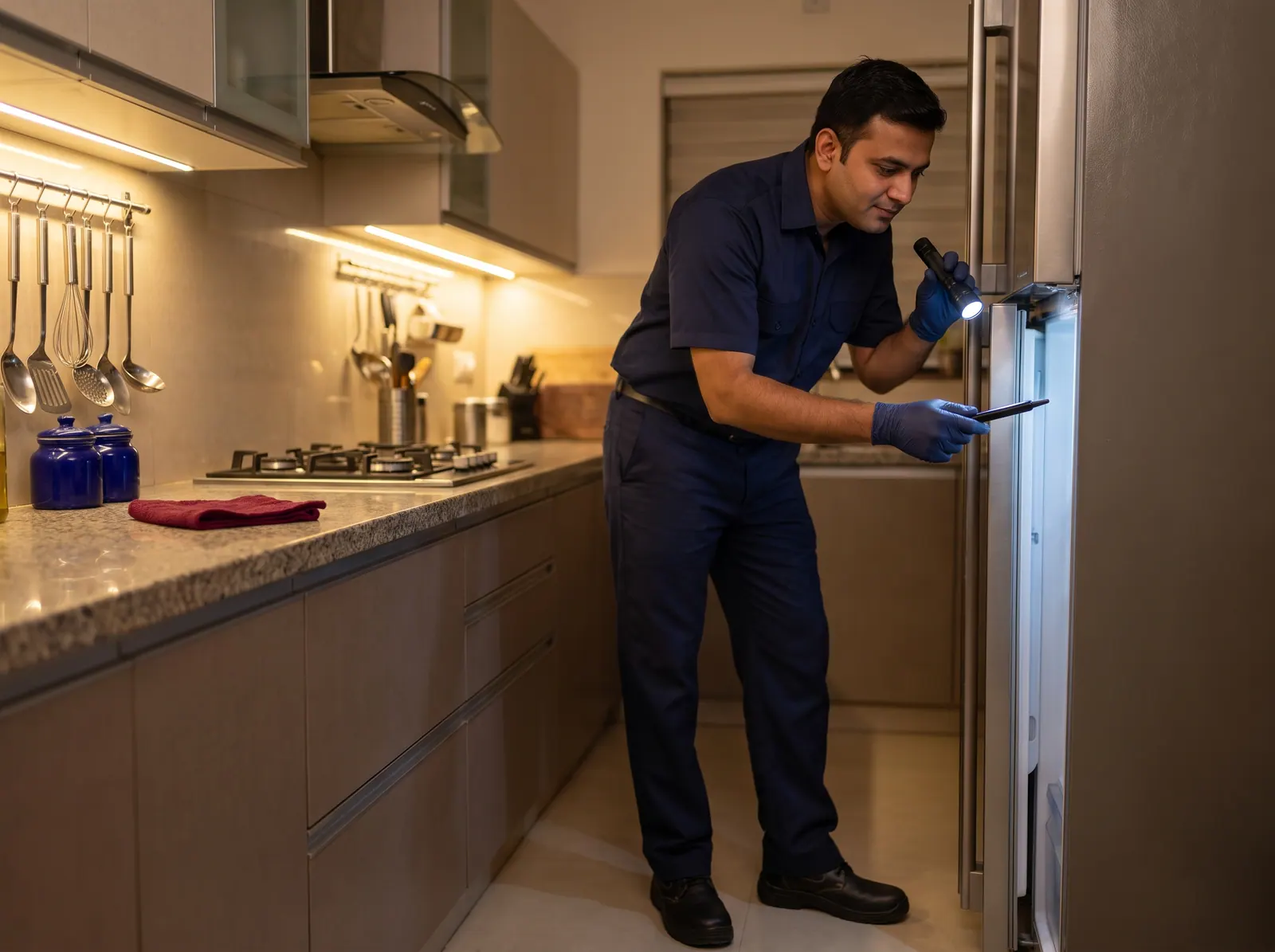
Different pests need completely different methods. Cockroaches respond well to gel baits placed in cracks, while termites in an occupied building need treatment of the soil and wall junctions. Treating the wrong pest wastes money and exposes your home to products it did not need.
Useful clues to note before an inspection:
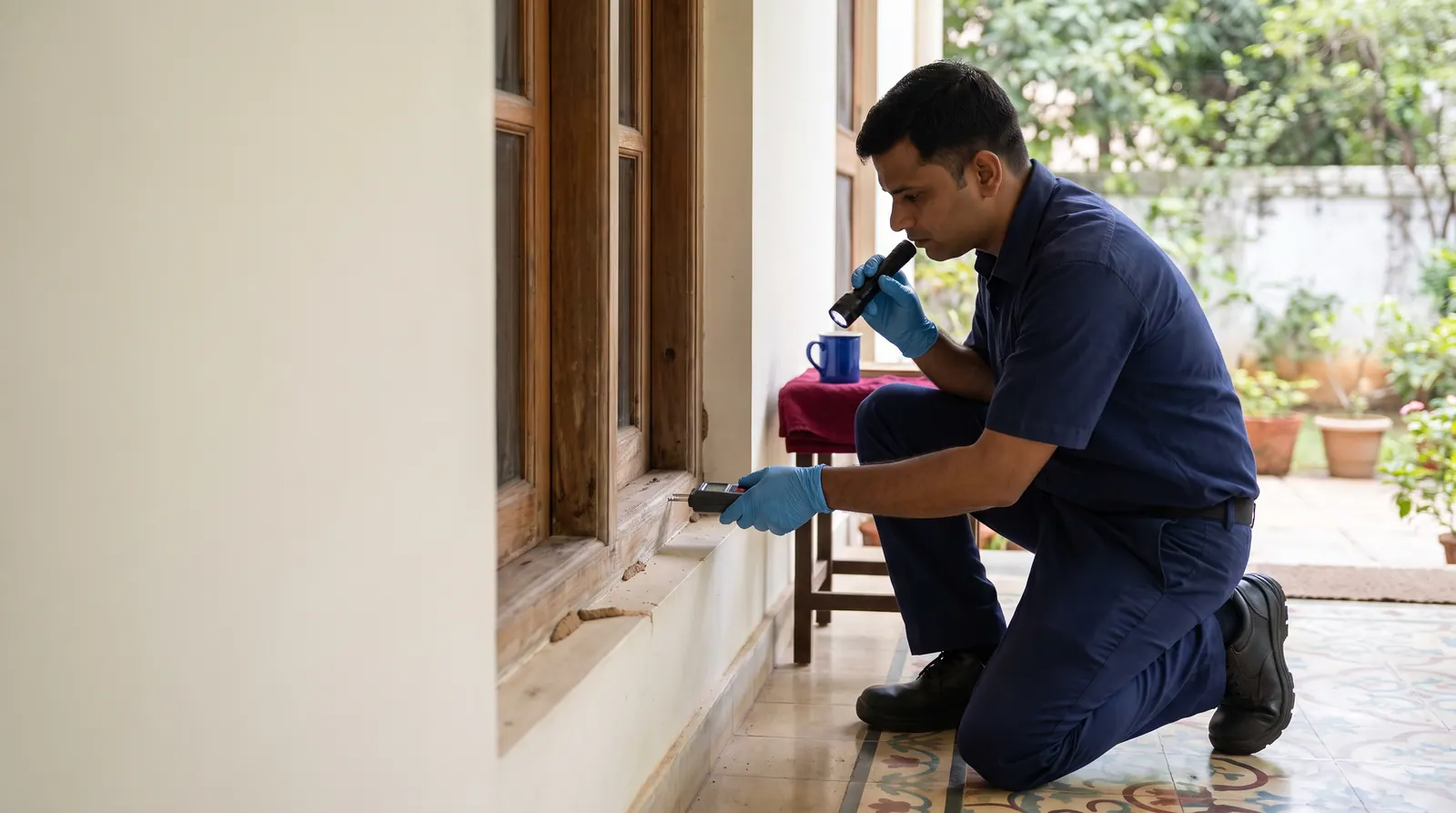
- Mud tubes on walls or door frames usually point to termites.
- Fine powder below small round holes in furniture suggests wood borers rather than termites.
- Small dark spots and shed skins along mattress seams suggest bed bugs.
- Droppings near food stores or along walls can indicate cockroaches or rodents.
A proper inspection also looks at where pests are getting in and what is attracting them, such as leaks, open drains or stored cartons.
2. Do prepare the space properly
Preparation lets the treatment reach the places pests actually hide. For kitchens, that usually means emptying cabinets, sealing or removing food, and clearing the area under the sink. For bed bugs, it means bagging and washing bedding and reducing clutter around beds.
Move pet bowls, cover aquariums and arrange for pets to stay in another room. Our step-by-step guides on preparing your kitchen for cockroach gel treatment and the bed bug treatment preparation checklist cover the details.
3. Do follow the after-care instructions
What you do in the hours after treatment matters as much as the treatment itself. General safety guidance is simple:
- Keep children and pets away from treated areas until surfaces are dry, or for as long as the technician advises.
- Ventilate rooms by opening windows once you return.
- Wash your hands after touching treated surfaces.
- Do not mop or wipe treated cracks, skirting and corners unless you have been told it is safe.
4. Do keep the follow-up visit
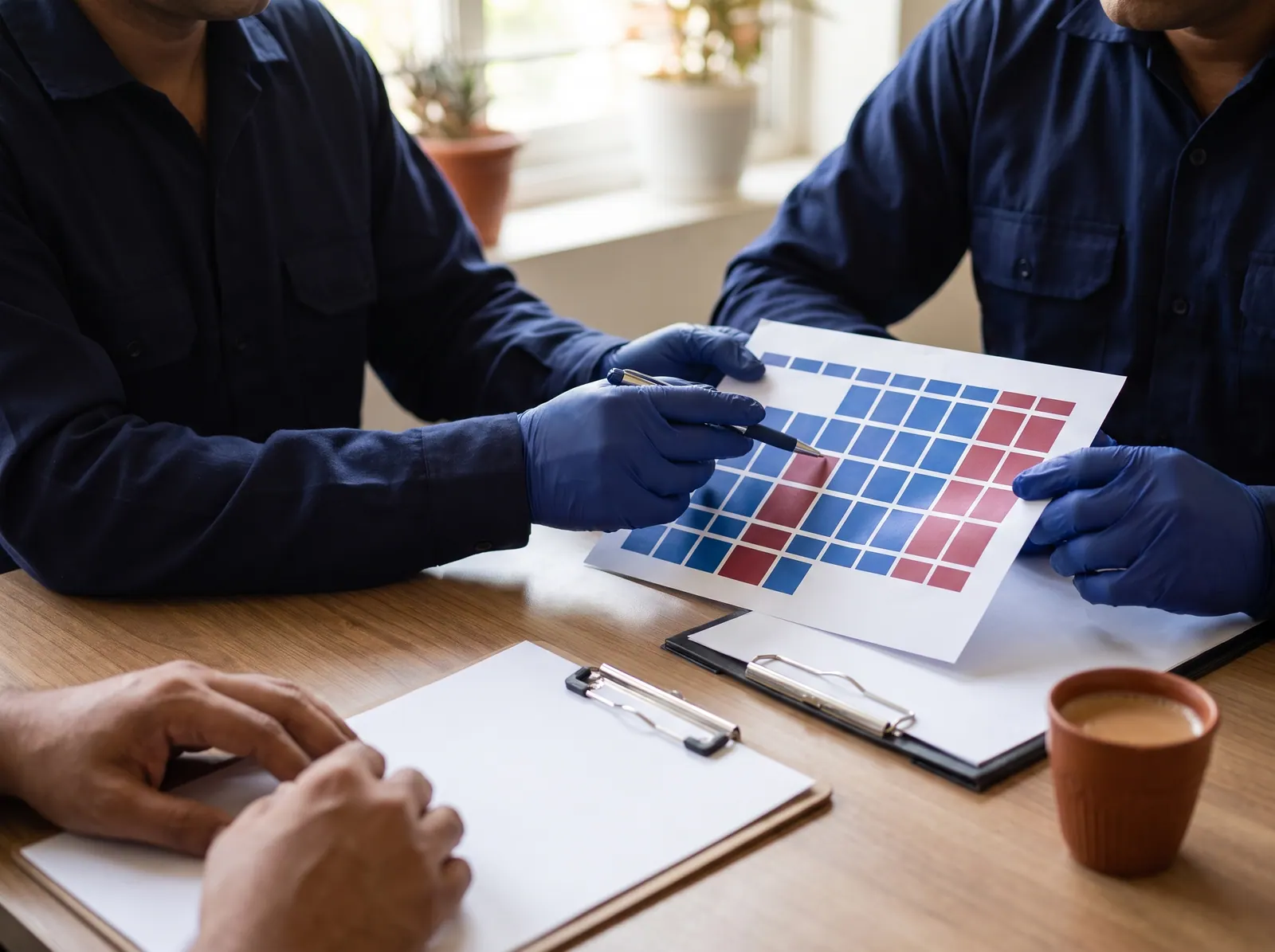
Many pests leave eggs behind that a single visit cannot reach. Cockroach egg cases and bed bug eggs can hatch after the first treatment, so a follow-up is planned to deal with the next generation before it breeds. Skipping it is one of the most common reasons an infestation appears to come back.
5. Do schedule regular inspections
Pest pressure changes through the year. In Goa’s humid coastal climate, the heavy south-west monsoon brings damp walls, standing water and insects seeking shelter indoors. On the Deccan plateau around Hyderabad, the hot dry summer and the monsoon each bring their own problems. Our article on seasonal pests and how to prepare explains what to watch for and when.
What should you avoid?
1. Don’t rely only on DIY tricks
Household sprays kill the insects you can see, but rarely reach nests, egg cases or colonies inside walls. Some repellent sprays make things worse: they can scatter cockroaches deeper into cabinets and drive bed bugs into neighbouring rooms. Home remedies are fine for keeping a clean kitchen, but they are not a substitute for treating an established infestation.
2. Don’t ignore early signs
A few droppings, one mud tube or a single bite mark can seem minor. But termites work hidden inside wood and walls, and rodents and cockroaches breed quickly. Acting early usually means a smaller, simpler treatment.
3. Don’t overuse or mix chemicals
More product does not mean better results. Overuse raises the risk to people and pets and can help pests become tolerant of a treatment. Never mix products, never transfer them into food or drink bottles, and never spray them on mattresses, bedding, food surfaces or children’s toys. Always follow the label directions.
4. Don’t hire an untrained or unlicensed operator
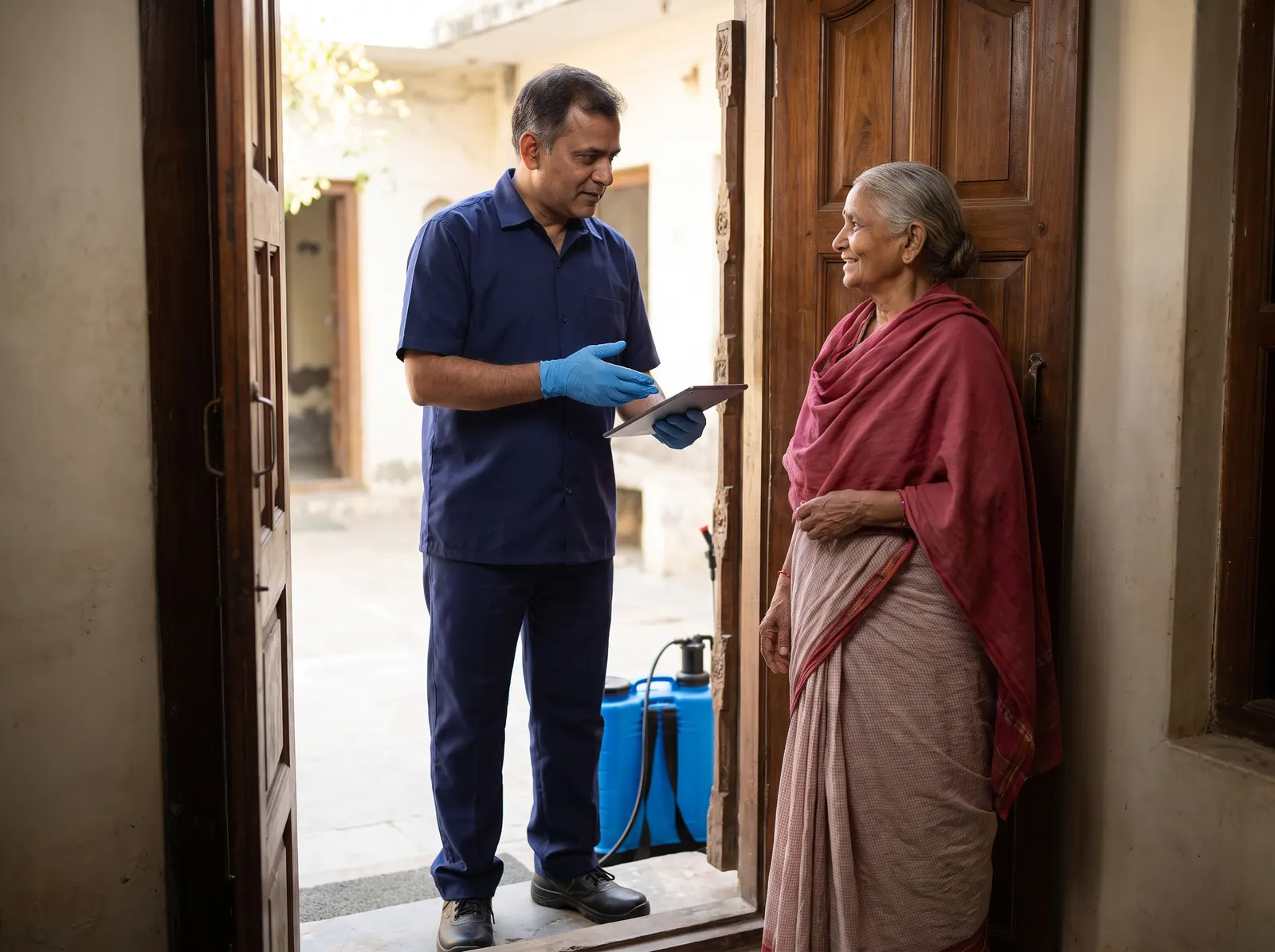
In India, pest control products are regulated under the Insecticides Act, 1968, and products must be registered with the CIB&RC. Pest control operators are licensed by the state. Before booking, ask:
- Is the operator licensed in your state?
- Are the products CIB&RC-registered?
- Are Material Safety Data Sheets available for the products used?
- Will you receive a written service report after the visit?
Our Goa operation is a licensed pest control operator (Directorate of Agriculture, Goa) using CIB&RC-registered products, and we maintain Material Safety Data Sheets for the products we use.
5. Don’t let cleaning and proofing slip
Treatment reduces pests; cleanliness and proofing keep them away. Fix leaking taps, cover drains and garbage bins, seal gaps around pipes and doors, and store food in closed containers. This is the thinking behind Integrated Pest Management: inspection, sanitation and proofing advice, then targeted treatment. You can read more about how we work.
How do these rules apply to common pests?
Termites
Don’t break open mud tubes or spray them yourself before an inspection; this can drive termites elsewhere and hide where they are coming from. In occupied buildings, post-construction treatment usually follows a drill-fill-seal method along walls and floors, in line with IS 6313 Part 3. See our termite control page for how inspection-led treatment works.
Cockroaches
Don’t spray household insecticide over gel bait spots. Sprays can contaminate the bait and keep cockroaches away from it. Leave the gel in place, keep the kitchen clean, and remove crumbs and grease that compete with the bait.
Mosquitoes
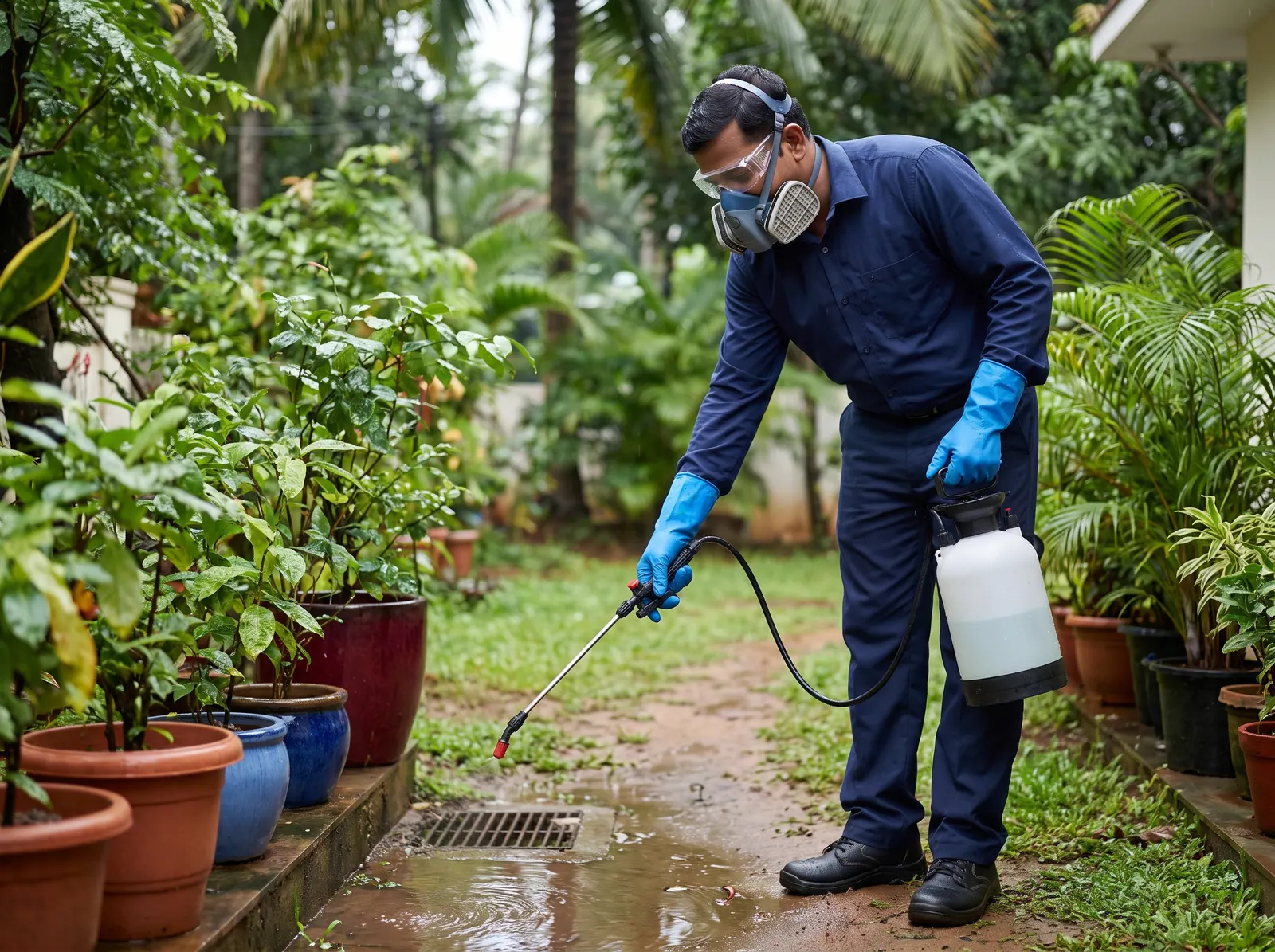
Do empty standing water at least once a week: flower-pot trays, coolers, buckets, old tyres and uncovered tanks. Mosquitoes can spread diseases such as dengue and malaria, so if anyone at home develops a fever, see a doctor rather than waiting it out.
Bed bugs
Don’t throw out mattresses in a panic or move to sleep in another room, as this can spread bed bugs through the home. Keep bedding bagged until it is washed, and allow the follow-up visit to finish the job.
Getting help in Goa or the Hyderabad region
If you are in Goa, our Goa branch in Chimbel can inspect the problem and explain the right approach. Service reports are shared after visits.
If you are in or around Hyderabad, our Shamshabad branch has recently opened — tell us your location and the problem, and we’ll confirm whether we can help.
Frequently asked questions
QIs it safe to stay at home during pest control treatment?
It depends on the treatment. Gel baiting for cockroaches is usually discreet and placed in cracks out of reach, while spraying or fumigation may require you to leave the treated area for a time. Ask the technician before the visit, keep children and pets away from treated surfaces until they are dry or as advised, and ventilate rooms when you return.
QCan I clean my kitchen after cockroach gel treatment?
You can clean counters and wash dishes as normal, but avoid wiping the small gel spots in hinges, cracks and corners, and do not spray household insecticides near them. Keeping the kitchen free of crumbs and grease actually helps, because cockroaches are then more likely to feed on the bait rather than on leftover food.
QWhy do I sometimes see more cockroaches just after treatment?
Affected cockroaches often come out of hiding and become more visible for a short while after treatment. This usually settles over the following days as the population falls. If activity is still high after a couple of weeks, or the follow-up visit is due, let the service team know so they can check for missed hiding places or new entry points.
QDo I need pest control if I can’t see any pests?
Not always, but some pests, especially termites and wood borers, cause damage long before you notice them. A periodic inspection, particularly before the monsoon or when moving into a new home, can catch problems early. For homes and businesses that want routine cover, scheduled visits with service reports are an option worth considering.
QWhat should I ask a pest control company before booking?
Ask whether the operator is licensed in your state, whether the products are registered with the CIB&RC, and whether Material Safety Data Sheets are available. Also ask what preparation is needed, how long you should keep children and pets away, whether a follow-up visit is included, and whether you will receive a written service report.
QAre DIY sprays ever enough?
For a stray insect, a household spray may be all you need. For an established infestation, sprays usually only kill visible insects and miss nests, eggs and colonies. Some repellent sprays can even push cockroaches or bed bugs deeper into hiding. If the problem keeps returning, an inspection is the better next step.
Last updated 13 October 2026. Information on this page is general guidance; your technician will advise on your specific property after inspection.