Quick answer
Hyderabad's south-west monsoon, roughly June to September, brings four main pest pressures: winged termites and ants after the first heavy rains, mosquitoes breeding in stored water, coolers, pots and waterlogged cellars, flies around wet waste and drains, and crawling insects pushed indoors by waterlogging. A steady routine of emptying standing water, managing waste, cleaning drains and sealing gaps prevents most problems. Persistent or structural issues need a professional inspection.
Key points
- Hyderabad's south-west monsoon usually runs from June into September.
- Termite swarmers emerging indoors, rather than flying in from outside, can indicate an active colony in or under the building.
- In warm weather, mosquitoes can develop from egg to adult in roughly a week, so weekly removal of standing water is effective.
- House flies breed in moist organic waste; drain flies breed in the film inside drains.
- Waterlogging drives cockroaches, ants and other crawling insects from drains and soil into buildings.
For most of the year, pests in and around Hyderabad have to cope with dry heat on the Deccan plateau. The south-west monsoon, usually arriving in June and continuing into September, changes that quickly. Moisture, standing water and flooded burrows set off a predictable sequence of monsoon pests in Hyderabad homes, apartment blocks and workplaces.
This guide explains what each part of the season tends to bring, why it happens, and the simple routine that prevents most problems. For the full year at a glance, see our Hyderabad pest calendar, month by month.
What changes for pests when the monsoon arrives?
Three things happen at once. Soil that was hard and dry becomes soft and damp, which signals termites and ants to swarm. Rainwater collects in every container, tray, terrace corner and cellar, giving mosquitoes places to breed. And waste, drains and low-lying ground stay wet, which suits flies and drives crawling insects and rodents out of flooded spaces and towards buildings.
None of this means an infestation is inevitable. It means the monsoon rewards small, regular habits more than any other season.
Why do winged termites appear after the first rains?
On warm, humid evenings after the first heavy showers, mature termite colonies release winged reproductives, often called swarmers or alates. They fly towards lights, drop their wings and try to pair up and start new colonies. Most do not survive, and the swarmers themselves do not eat wood.
What matters is where they come from. A swarm drifting in through an open window towards a tube light usually comes from a colony outdoors. Swarmers emerging from inside the home, through skirting, floor cracks, door frames or wardrobes, suggest an active colony in or under the building and deserve a proper inspection. Our guide to termite risk in Hyderabad soils and new construction explains why this matters for both older and newly built homes.
Termite or flying ant?
Flying ants also swarm after rain, and the two are easy to confuse. A quick look helps:
| Feature | Termite swarmer | Flying ant |
|---|---|---|
| Waist | Broad, no visible pinch | Narrow, clearly pinched |
| Antennae | Straight, bead-like | Bent at an elbow |
| Wings | Two pairs of equal length, shed easily | Front pair longer than back pair |
What should you do on a swarm evening?
- Switch off unnecessary lights and close windows and doors until the swarm passes.
- Sweep or vacuum up swarmers and shed wings; they are harmless to people.
- Note where they appeared to come from and keep a few in a sealed container or take clear photographs for identification.
- Look for pencil-thin mud tubes on walls, skirting and frames, and wood that sounds hollow when tapped.
- Avoid spraying household insecticide into frames or cracks. It does not reach the colony and can make it harder to trace where termites are active.
Where do mosquitoes breed after rain?
Mosquitoes lay eggs on or near still water, and in warm weather the cycle from egg to adult can take roughly a week. That is why a weekly habit of removing standing water is so effective. Different mosquitoes prefer different water: Aedes mosquitoes, which spread dengue and chikungunya, favour clean water in containers and bite mainly during the day, while Culex mosquitoes prefer dirtier water in drains and stagnant pools.
Common monsoon breeding spots include:
- Desert coolers still holding water from summer, and their trays
- Flower pot saucers, terrace planters and blocked balcony outlets
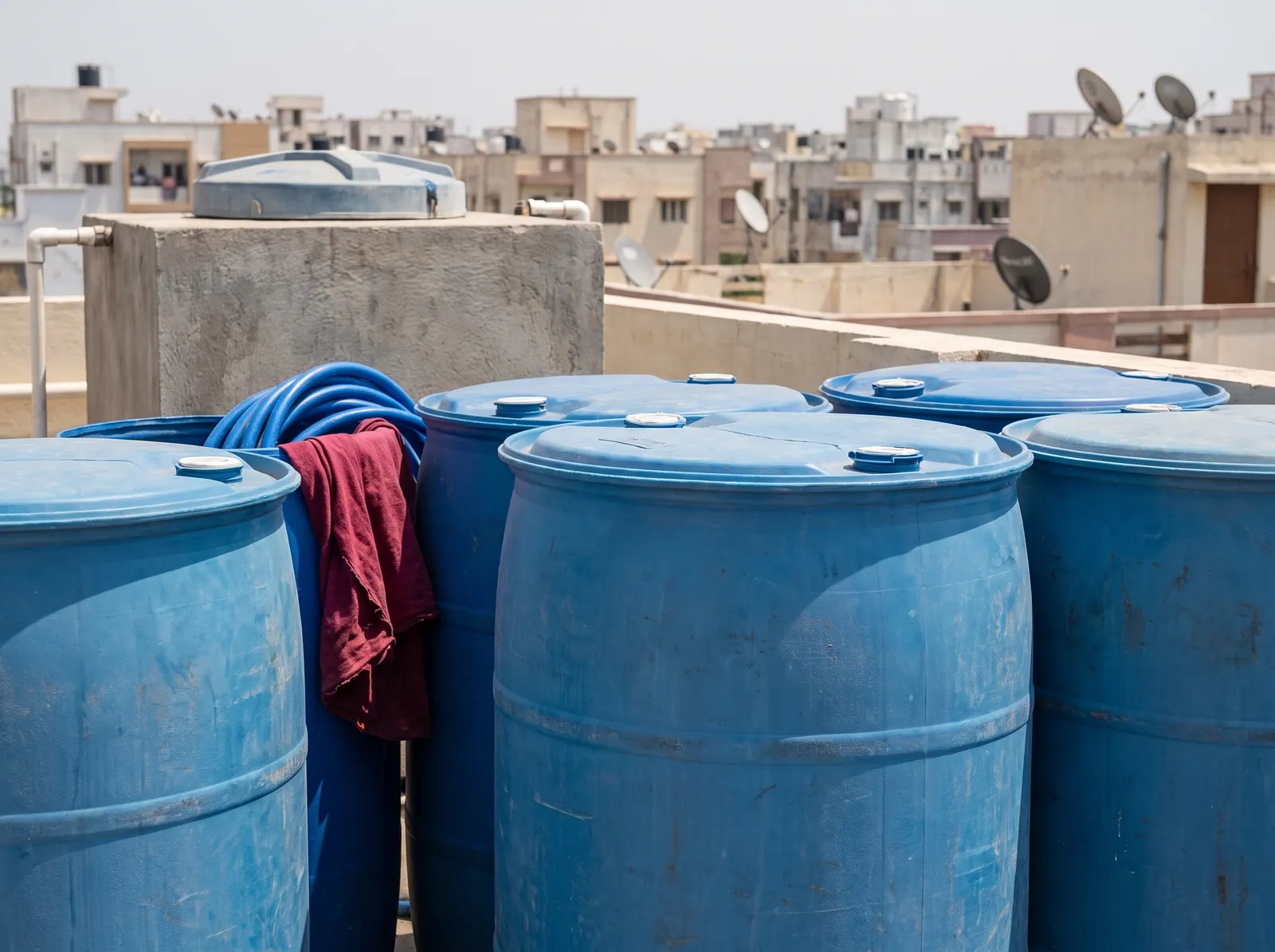
- Uncovered buckets, drums and overhead or sump tanks with gaps in the lid
- Old tyres, plastic sheets, coconut shells and discarded containers on terraces and plots
- Construction sites, open sumps and water seeping into cellar parking
Cellars deserve special attention in apartment blocks, because seepage and puddles can persist long after the rain stops and are rarely checked. Our guide to pests in cellar parking and basements covers this in detail, and practical mosquito prevention for dengue season sets out a household and society checklist. If anyone in the household develops a fever during the monsoon, see a doctor promptly.
Waste, flies and drains in the wet months
House flies breed in moist, decaying organic matter, and the monsoon keeps garbage, compost and food waste wet for longer. Bins with loose lids, overflowing community collection points and damp corners behind kitchens become breeding sites within days.
Two other flies become noticeable indoors. Fruit flies gather around ripe or fermenting fruit, vegetable peels and sticky residue in bins. Small, furry drain flies breed in the slimy film that builds up inside sink, floor and bathroom drains, especially those used infrequently.
- Use bins with tight lids, line them, and take wet waste out daily.
- Rinse bins regularly and let them dry before reuse.
- Store ripe fruit in the fridge or cover it, and clear peels promptly.
- Scrub drain traps and gratings with a brush to remove the film, rather than relying only on pouring liquids down.
- Fix leaking pipes and keep kitchen floors dry overnight.
Restaurants, hostels and canteens face the same pressures on a larger scale. Food businesses are expected to maintain pest control and hygiene under FSSAI Schedule 4 requirements, and drains and waste areas are usually where monsoon fly problems begin.
Which crawling insects come indoors after waterlogging?
When heavy rain floods drains, gardens and ground-level spaces, the insects living there move to drier ground, which often means your home. Cockroaches can come up through floor drains and shafts, ants move their nests indoors, and millipedes, earwigs and centipedes may appear on ground floors and in cellars. Rats and bandicoots displaced from flooded burrows may also look for shelter in buildings.
In high-rise blocks, drains and service shafts link many flats, so a problem in one area can spread. Our guide to cockroaches in Hyderabad high-rise apartments explains how. For what to expect after heavy flooding specifically, read about pests after waterlogging and urban flooding.
Damp weather also affects stored food. Keep rice, dal, atta and spices in airtight containers in a dry cupboard, and check older stock before using it.
A simple monsoon prevention routine
Most monsoon pest problems are prevented by regular, unglamorous checks. This routine works for flats and independent houses, and housing societies can adapt it for common areas.
| When | What to do |
|---|---|
| Once, before or at the start of the monsoon | Drain and clean coolers you no longer need; repair window and ventilator mesh; fit door sweeps; seal gaps around pipes and cables; clear terrace and balcony outlets; check skirting and frames for mud tubes. |
| After every heavy rain | Walk the terrace, balcony and plot; tip out water from trays, buckets, tarps and containers; check drains are flowing. |
| Weekly | Empty, scrub and refill water containers and cooler tanks still in use; change water in pet bowls and vases; scrub kitchen and bathroom drain traps; check tank and sump lids fit properly. |
| Daily | Take out wet waste; keep bins closed; wipe kitchen counters and dry the floor at night; cover fruit and leftovers. |
| For societies | Inspect cellar parking for seepage and puddles; keep common drains and garbage areas clean; remind residents about terrace water before and during the season. |
When is professional help worth it?
A good routine handles most seasonal nuisance. It is worth arranging a professional inspection if you see termite swarmers emerging from inside, mud tubes or damaged woodwork, cockroaches active in daylight, signs of rats, or mosquito breeding you cannot trace.
Efficacy Pest Control follows an Integrated Pest Management approach: inspect first, find the source, advise on sanitation and proofing, and then apply targeted treatment only where it is needed. We keep Material Safety Data Sheets for the products we use. Whoever you hire, pest control products in India should be registered with the CIB&RC, and you should expect clear safety guidance: follow label directions, keep children and pets away from treated areas until they are dry or for as long as advised, ventilate rooms, and wash hands after any contact.
Talking to our Shamshabad branch
Efficacy Pest Control was founded in Goa, where the very heavy south-west monsoon and humid coastal climate make seasonal pest pressure part of everyday life. Our Shamshabad branch brings practices from that established Goa operation to the Hyderabad region.
Our Shamshabad branch has recently opened — tell us your location and the problem, and we'll confirm whether we can help.
Frequently asked questions
QAre the winged insects around my lights after rain dangerous?
No. Winged termites and flying ants do not bite or sting people, and termite swarmers do not eat wood themselves. They are a nuisance rather than a hazard. The useful question is where they came from. If they flew in from outside, it usually reflects a colony nearby. If they are emerging from cracks, skirting or wooden frames inside your home, there may be an active colony in or under the building, and an inspection is sensible.
QShould I keep using my desert cooler during the monsoon?
Many households stop using coolers once the rains bring humidity, and that is when they become a problem. A cooler left with water in its tank or tray is an ideal mosquito breeding site. If you are not using it, drain it fully, dry it and cover it. If you still use it, empty and scrub the tank at least once a week before refilling, so any eggs or larvae are removed.
QWhy do cockroaches seem to come out of the bathroom drain after heavy rain?
Cockroaches live in drains and sewer lines. When heavy rain floods those lines, they move up towards drier spaces, and floor drains are a direct route into homes. Keep drain covers in place, make sure floor traps hold water as designed, and scrub gratings regularly. In apartment blocks, connected shafts and drains can spread the problem between flats, so a building-level approach often works better than one flat acting alone.
QIs fogging enough to control mosquitoes during the monsoon?
Fogging can reduce adult mosquitoes for a short time, but it does not affect larvae developing in water. New adults keep emerging wherever water stands. That is why removing breeding sites, emptying containers weekly and treating water that cannot be drained matter far more over a season. Fogging is best seen as one tool within a wider plan rather than the plan itself.
QWhat can our housing society do differently from individual residents?
Societies control the spaces residents rarely check: cellar parking, sumps, overhead tanks, common drains, garbage areas and terraces. Assigning someone to inspect these after heavy rain and weekly through the season makes a real difference. Societies can also circulate a simple checklist to residents at the start of the monsoon, covering coolers, pot trays and balcony outlets, so everyone follows the same routine.
QCan Efficacy Pest Control help with monsoon pests in my part of Hyderabad?
Our Shamshabad branch has recently opened, and we are confirming services and areas one by one. The best step is to share your location and describe the pest problem you are seeing. We will then confirm whether and how we can help. Photographs of the pests or the affected area are useful when you get in touch.
Last updated 13 October 2026. Information on this page is general guidance; your technician will advise on your specific property after inspection.