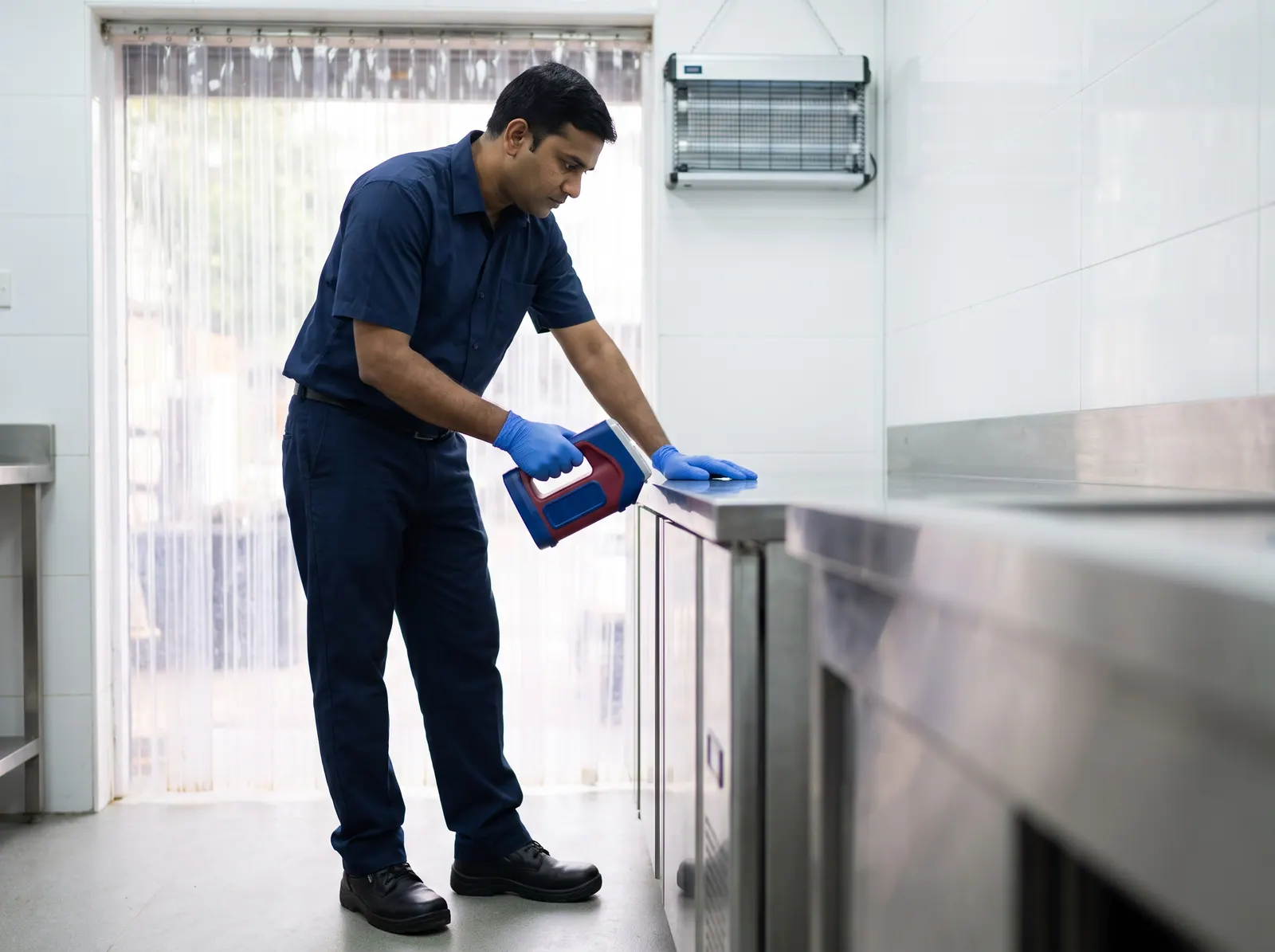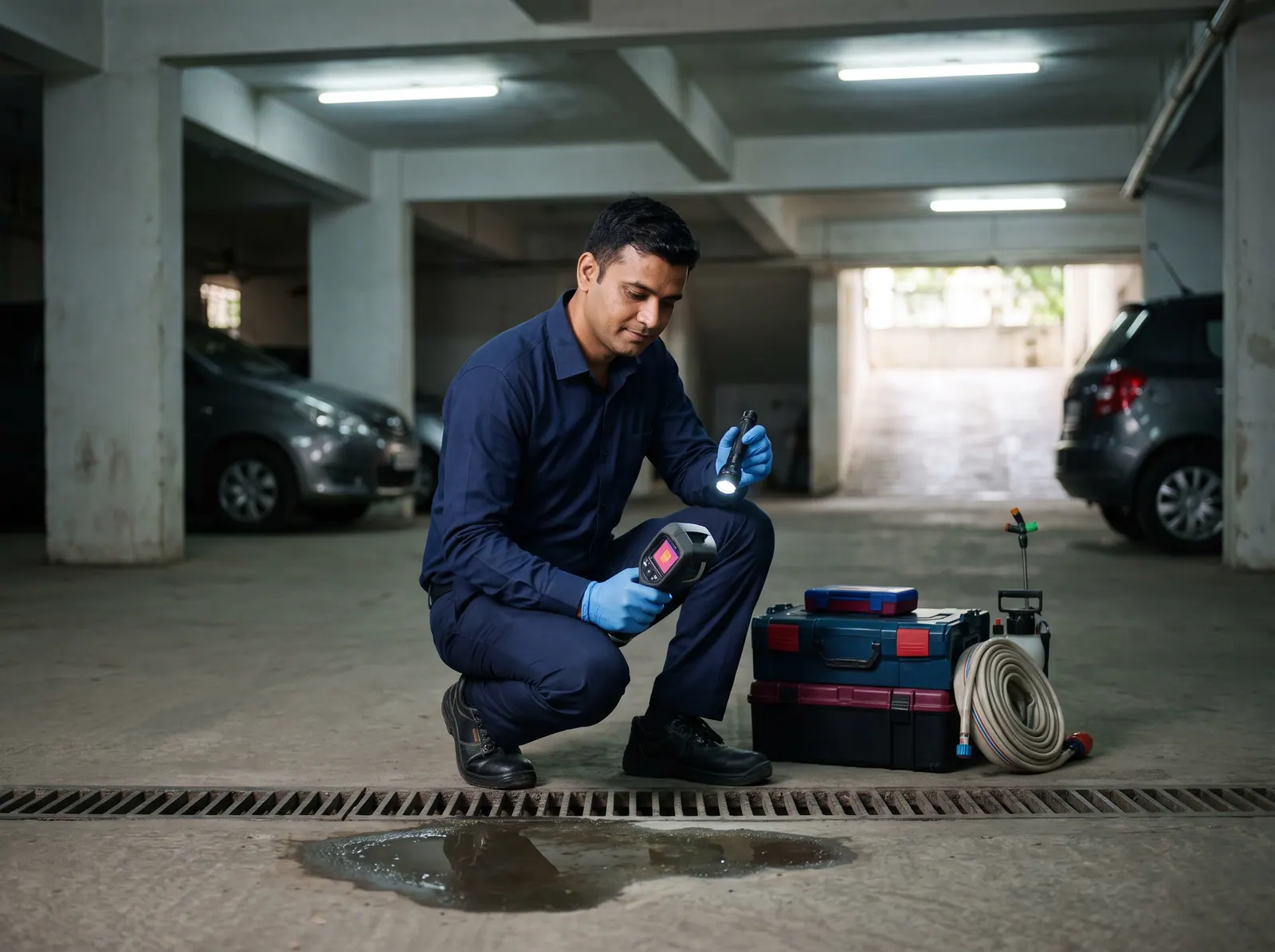
Quick answer
Rats, cockroaches and mosquitoes settle in Hyderabad cellar parking because basements combine standing water, open drains, garbage points and cluttered storage in a dark, undisturbed space. The most effective response is a routine: keep drains and sump covers sealed, clear stored junk, empty standing water weekly, check for droppings and chewed cables, and bring in a licensed pest professional when signs persist. Avoid scattering loose rat poison in shared areas.
Key points
- Cellar pest problems usually start with water: blocked drains, open sumps, lift pits and seepage.
- Garbage points provide food and stored junk provides shelter, so both draw rats into cellar parking.
- Mosquitoes can breed in dark basements wherever still water collects.
- Loose poison in shared cellars is a risk to children and pets; tamper-resistant bait stations placed by licensed operators are safer.
- A written weekly, monthly and seasonal inspection routine works better than reacting to complaints.
If residents are finding droppings beside their cars, chewed wiring under the bonnet or cockroaches running across the ramp at night, the cellar is telling you something. Rats in cellar parking are a common complaint in Hyderabad apartment blocks, and they rarely arrive alone. Cockroaches and mosquitoes tend to follow the same conditions.
This guide is written for apartment associations, facility managers and residents who want to understand why basements attract pests and what a practical maintenance routine looks like.
Why do cellars attract rats, cockroaches and mosquitoes?
A cellar is dark, sheltered and often busy only at the start and end of the day. For much of the time, nobody walks the far corners. In Hyderabad's hot, dry summer it also stays shaded and cooler than the open ground outside.
Most importantly, a cellar tends to collect the three things pests need: water from drains, sumps and seepage; food from garbage points; and shelter in stored furniture, cartons and scrap. Fix those three, and most of the pest pressure falls with them.
Water and drains: where the problem usually starts
Almost every cellar pest problem begins with water. Rats use drains as travel routes, cockroaches live and breed in drain chambers, and mosquitoes need only a small amount of still water to breed.
Places to check for water
- Ramp drains and grating channels that collect silt, leaves and litter, and hold water after rain.
- Sump manholes with loose, broken or ill-fitting covers.
- STP rooms and pump rooms, which are often warm, damp and rarely cleaned.
- Lift pits, where water can collect unseen.
- Seepage through retaining walls or the slab, leaving damp patches and puddles.
- Car-wash and AC condensate water pooling in low corners.
- Open or cracked drain chambers and gaps where pipes pass through walls.
During the monsoon, rainwater running down ramps can carry silt into the cellar and block drains, and our guide to monsoon pests in Hyderabad explains how that season changes pest activity more widely. If your cellar has flooded, read our notes on pests after waterlogging and urban flooding before cleaning up.
Rodents and stored items in the cellar
Rats and mice usually enter a cellar through drains, gaps around pipes and cables, the open ramp, or burrows in soil along landscaped edges. Once inside, they look for food and somewhere quiet to nest.
Garbage collection points are the usual food source, especially if bins are left open or waste sits overnight. Stored items provide the shelter: old sofas, mattresses, cartons, leftover construction material, scrap and the contents of residents' storage cages. Clutter against walls gives rodents protected runways where they are rarely disturbed.
Signs of rats in cellar parking
- Droppings along walls, behind stored items and near bins.
- Gnaw marks on cartons, plastic pipes, doors and cable insulation.
- Chewed wiring in parked vehicles, or nesting material in engine bays.
- Burrows in soil near ramps, compound edges or planters.
- Dark grease marks along regular runways at the base of walls.
- Shredded paper or fabric, a persistent musty smell, or dead rats.
Why do rats damage cables and car wiring?
A rodent's front teeth grow continuously, so rats gnaw constantly to keep them worn down. A parked car also offers a sheltered, warm space after a drive. Together, this is why cables in vehicles, electrical panels and lighting circuits are vulnerable in an infested cellar. Damaged wiring is a safety issue, so report it to an electrician as well as dealing with the rodents.
What associations should avoid
Scattering loose poison or placing open bait in a shared cellar puts children, pets and stray animals at risk, and rats that die inside walls or ducts leave a smell that is hard to trace. Glue boards left in walkways cause similar problems. Where baiting is needed, tamper-resistant bait stations placed and monitored by a licensed pest control operator are the safer approach. Proofing and clearing clutter matter more than any bait.
Rat urine can contaminate floodwater and damp floors. If anyone falls ill after handling rodent-contaminated material or wading through water, they should see a doctor.
Cockroaches around garbage points, drains and the STP
Larger cockroaches are strongly associated with drains, sewers and damp service areas. In a cellar they gather around drain chambers, the STP, pump rooms and the garbage area, and come out mainly at night.
From the cellar they can travel upwards through plumbing shafts and service ducts, which is why basement drains and upper-floor complaints are often linked. Our guide to cockroaches in Hyderabad high-rise apartments covers shafts and ducts in more detail.
- Keep drain chamber and inspection covers closed and sealed.
- Clean the garbage area daily and wash spills away rather than leaving them to dry.
- Fit mesh or grating on floor traps and drain outlets.
- Seal gaps around pipes where they enter shafts.
Mosquitoes breeding below ground
Mosquitoes do not need sunlight or a large pond. Water in a lift pit, an unsealed sump, a blocked drain channel, a discarded bucket or an old tyre in a storeroom can all become breeding sites. Some mosquitoes prefer clean stored water, while others breed readily in dirty drain water, so both kinds of source matter.
A weekly walk to tip out, cover or drain standing water is the single most useful habit. Breeding-site reduction is especially important during and after the monsoon. For household and society-level steps, see our guide to dengue-season mosquito prevention in Hyderabad. Anyone with fever or unusual symptoms after mosquito bites should see a doctor.
A cellar inspection and maintenance routine for associations
A routine works better than reacting to complaints. Assign each task to a named person, such as the facility manager, housekeeping supervisor or a committee member, so it actually happens.
| When | What to do |
|---|---|
| Weekly | Walk the whole cellar, including corners and storerooms. Empty or drain standing water. Check that garbage is cleared and bins are closed. Clear litter from ramp gratings. |
| Monthly | Look for droppings, gnaw marks and burrows. Check sump, manhole and drain covers for gaps. Inspect mesh on vents and floor traps. Note any seepage. |
| Quarterly | Declutter storerooms and common areas. Seal gaps around pipes and cables. Inspect drain chambers and the STP and pump rooms. |
| Before the monsoon | Desilt ramp drains and channels. Check dewatering pumps. Repair known seepage points. |
| After heavy rain or waterlogging | Remove silt and debris, dry out low areas, check for new burrows and mosquito breeding, and clean the garbage area thoroughly. |
Our Hyderabad pest calendar can help you plan these checks around the seasons.
Keep a simple log
Record the date, what was found, where, and what was done. A log shows whether a problem is improving, helps the committee prioritise repairs, and gives any pest professional a clear starting point.
When should an association call in a professional?
Consider professional help if droppings keep appearing despite cleaning, vehicles or cables are being damaged, burrows are active, cockroaches are seen regularly at night, or there is breeding in places you cannot reach safely, such as a sump or lift pit.
Our company follows an Integrated Pest Management approach: inspection first, then sanitation and proofing advice, then targeted treatment only where it is needed. We also maintain Material Safety Data Sheets for the products we use. Whoever you engage, check that they are a licensed pest control operator using CIB&RC-registered products, and ask for written service reports after each visit.
Before any treatment, inform residents, keep children and pets away from treated areas until they are dry or as advised, ventilate enclosed rooms such as storerooms, and make sure label directions are followed.
Talk to our Shamshabad branch
Efficacy Pest Control is established in Goa, and we bring the practices from our Goa operation to the Hyderabad region. Our Shamshabad branch has recently opened — tell us your location and the problem in your cellar, and we'll confirm whether we can help. You can find more about the Hyderabad branch in Shamshabad here.
Frequently asked questions
QWhy are rats chewing the wiring of cars parked in our cellar?
Rats gnaw constantly because their front teeth never stop growing, and a recently driven car offers a warm, sheltered spot. If the cellar gives them food from garbage points and cover from stored junk, parked vehicles become part of their territory. Reducing food and clutter, sealing entry points and managing the rodent population are what stop the damage. Have any chewed wiring checked by a mechanic or electrician.
QIs it safe for the association to put rat poison in the cellar?
Loose poison in a shared cellar is risky. Children, pets and stray animals can reach it, and poisoned rats often die in ducts or behind walls, causing smells. If baiting is needed, it should be done with tamper-resistant bait stations placed and monitored by a licensed pest control operator, alongside proofing and clean-up. Always follow label directions and keep people and animals away from treated areas.
QHow often should someone inspect the cellar for pests?
A short walk-through every week is ideal, focusing on standing water, garbage and new signs such as droppings. A more detailed check of drains, covers, storerooms and vents once a month catches problems early. Add a pre-monsoon drain clean-up and a thorough check after any heavy rain or flooding. Keeping a simple written log makes it easy to see whether things are improving.
QCan mosquitoes breed in a basement that gets no sunlight?
Yes. Mosquitoes only need still water, not sunlight. Lift pits, unsealed sumps, blocked drain channels, buckets and old tyres in storerooms can all hold enough water for breeding. Some species prefer clean water and others breed in dirty drain water, so check both. Draining, covering or tipping out water every week is the most effective step an association can take.
QOur cellar flooded during heavy rain. What should we do afterwards?
Once it is safe, pump out the water, remove silt and debris, and dry low areas as quickly as possible. Clear drains, check for new burrows or rodent activity, and look for pockets of water where mosquitoes could breed. Wear gloves and footwear while cleaning, and wash hands well. Anyone who feels unwell after contact with floodwater should see a doctor.
QDoes your Shamshabad branch handle cellar and basement pest problems?
Our Shamshabad branch has recently opened, and we are confirming services and coverage area by area. Tell us where your building is and what you are seeing in the cellar, whether that is rats, cockroaches or mosquitoes, and we'll confirm whether we can help. The company brings its working practices from its established operation in Goa.
Last updated 13 October 2026. Information on this page is general guidance; your technician will advise on your specific property after inspection.