Quick answer
Living near a lake, tank or drainage channel in Hyderabad often means more mosquitoes, but a good share of the biting can still come from breeding sites close to home. You can control containers, tanks, coolers, drains and entry points on your own property. The lake itself depends on weed clearance, sewage control and civic action. Combining home measures, community effort and personal protection gives the most realistic result.
Key points
- Mosquito larvae develop in water, and in warm weather can become adults in about a week, so a weekly emptying and scrubbing routine for containers is effective.
- Weedy, shallow and sewage-fed lake margins tend to support far more mosquito larvae than open, clean, moving water.
- Day-biting Aedes mosquitoes, which can spread dengue and chikungunya, often breed in household containers close to where they bite, even near a lake.
- Fogging affects adult mosquitoes only briefly and does not reach larvae in water.
- Do not pour oil, kerosene or chemicals into public water bodies; report lake problems to the local civic body.
Many homes across the Hyderabad region sit close to a lake, an old irrigation tank (cheruvu), a storm-water nala or a drainage channel. These water bodies make neighbourhoods greener and cooler, but they also raise a fair question. If you are dealing with mosquitoes near a lake in Hyderabad, how much can you actually do about it?
The honest answer is: more than you might think, but not everything. This guide separates what is in your hands from what depends on the wider area. It also covers the personal protection that matters most when the source is beyond your control.
Why do homes near lakes and tanks get so many mosquitoes?
Mosquitoes lay eggs on or near water, and the larvae live in water until they emerge as adults. A large water body provides that habitat on a big scale, but not evenly. Open, moving water with fish tends to support fewer larvae. Shallow, still margins, patches of floating weed, water hyacinth and sections receiving sewage or drain inflow tend to support many more.
That is why two lakes of similar size can produce very different mosquito problems. A well-maintained lake with clear edges behaves differently from one choked with weeds or fed by untreated drains.
Which mosquitoes are involved?
It helps to know that different mosquitoes prefer different water, because it changes where you should look for the source:
- Culex mosquitoes favour stagnant, nutrient-rich water such as drains, sewage-fed lake edges and soak pits. They mostly bite at night and are behind much of the evening nuisance near polluted water. Some species can transmit diseases such as filariasis and Japanese encephalitis.
- Aedes mosquitoes, which can spread dengue and chikungunya, prefer small collections of relatively clean water in containers: drums, buckets, coolers, flower-pot trays, tyres and overhead tanks. They bite mainly during the day and usually stay fairly close to where they bred.
- Anopheles mosquitoes, which can transmit malaria, often breed in cleaner standing water, seepage, pools and field margins.
The practical point: even if you live beside a lake, the day-biting Aedes mosquitoes in your home are quite likely to be breeding in containers on your property or your neighbours'. That part is controllable.
What can you control, and what can you not?
Being clear about this avoids wasted money and frustration.
| Within your control | Depends on the wider area |
|---|---|
| Containers, drums, buckets and pots holding water | Weed and hyacinth growth on the lake |
| Covering sumps and overhead tanks | Sewage and drain inflow into the water body |
| Desert coolers, AC drip trays and fridge trays | Desilting and maintenance of nalas and channels |
| Blocked balcony, terrace and gutter drains | Larval control on the lake itself |
| Window and door screens, bed nets | Public fogging and area-wide programmes |
| Garden watering habits and plant saucers | Dumping of garbage and debris near the shore |
If your home is genuinely close to a weedy or sewage-fed lake edge, some mosquitoes will reach you whatever you do at home. Home measures reduce the local breeding that adds to that pressure, and screens and nets reduce bites. Together they make a noticeable difference, even if they cannot remove the lake as a source.
Home measures that make a real difference
Water on your property
A once-a-week routine is the single most useful habit, because mosquitoes can develop from egg to adult in about a week in warm weather.
- Empty, scrub and refill water drums, buckets and pots at least once a week. Scrubbing matters because Aedes eggs stick to container walls just above the waterline.
- Fit tight lids on sumps and overhead tanks, and check that overflow pipes and vents are covered with fine mesh.
- Drain and dry desert coolers regularly when in use, and fully before storing them.
- Empty saucers under potted plants, or fill them with sand.
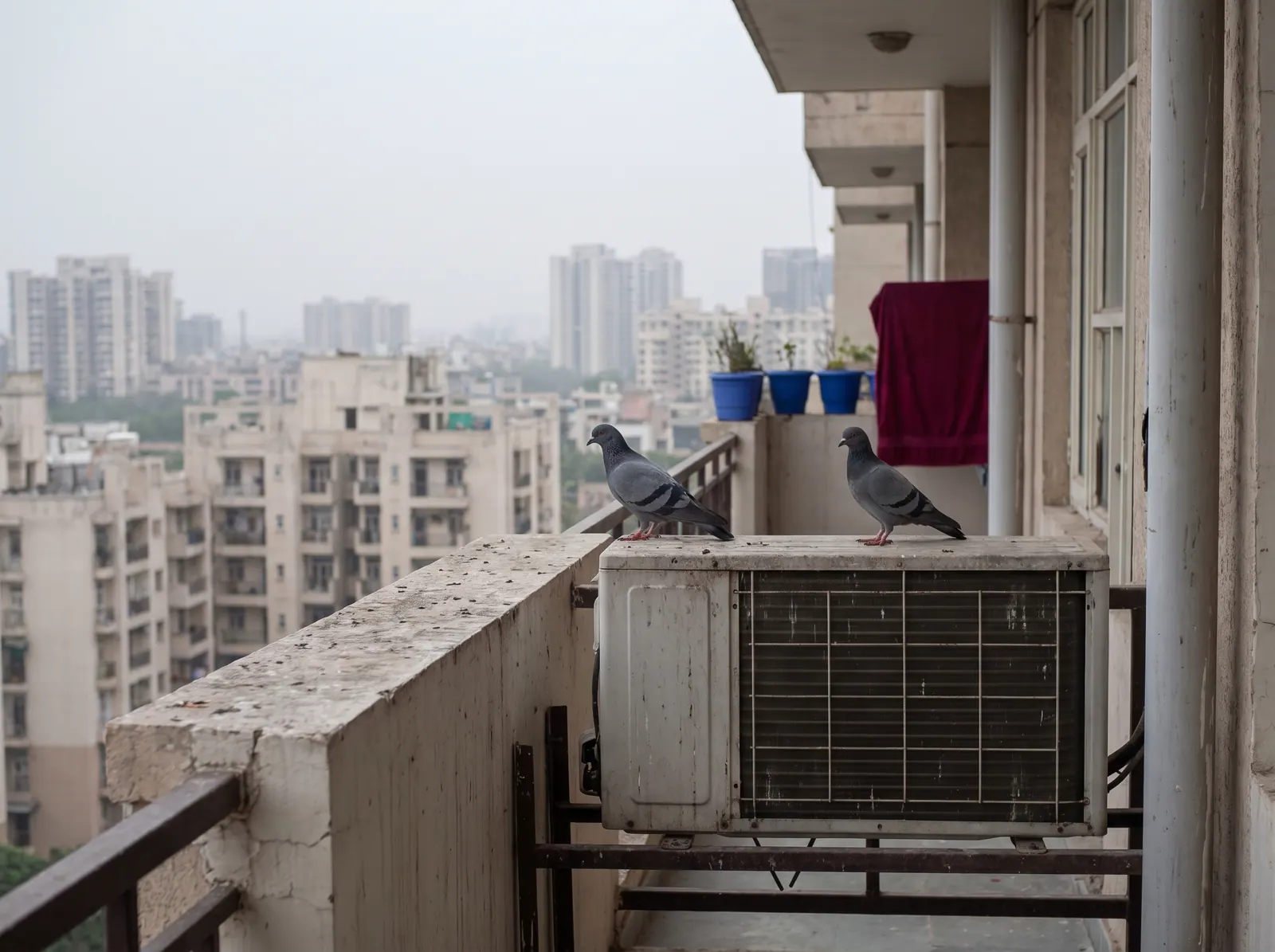
- Check AC drip trays, the tray under the refrigerator and any spot where condensation collects.
- Clear leaves and debris from balcony and terrace drains, roof gutters and sunshades so water does not pond after rain.
- Store unused items such as tyres, tins, coconut shells and broken pots under cover, or dispose of them.
For more detail on containers, see our guide on stored water drums and summer mosquitoes.
Keeping mosquitoes out of the house
- Fit fine mesh screens on windows and ventilators, especially on the side facing the water.
- Use screen doors or keep doors closed around dusk and after dark, when Culex activity near lakes tends to rise.
- Repair gaps around AC pipes, exhaust fans and window frames.
- Fans help: a steady airflow makes it harder for mosquitoes to land and bite.
Gardens, lawns and terraces
Dense shrubs and shaded corners give adult mosquitoes places to rest during the day. Trimming low, thick vegetation near doors and seating areas, avoiding over-watering, and levelling spots where water pools all help. Ornamental ponds and water features should be kept moving or stocked appropriately, and cleaned of floating debris.
Community measures: what neighbours can do together
Because the biggest source near a lake lies outside any single compound, collective action matters. Housing societies and resident welfare associations are well placed to lead it.
- Run a common-area checklist. Sumps, terrace tanks, basement parking seepage, lift pits, construction debris and blocked drains in shared areas are frequent breeding points. Our guide to mosquito breeding points in apartment complexes sets these out.
- Report problems to the civic body. Blocked nalas, sewage inflow into a lake, heavy weed growth and garbage dumping along the shore are matters for your municipal body or gram panchayat. A single, documented complaint from an association with photographs and locations usually carries more weight than scattered individual calls.
- Support lake care. Shoreline clean-ups, keeping debris and garden waste out of the water, and backing weed-clearance efforts all reduce sheltered breeding margins.
- Coordinate with nearby sites. Construction projects and vacant plots near a water body can hold water in pits, curing areas and discarded materials. A polite word with site managers often helps.
A note on treating the lake yourself: do not pour oil, kerosene or any chemical into a lake, tank or channel. It can harm fish, birds and other wildlife that naturally keep mosquito numbers down, and public water bodies are managed by the relevant authorities.
Fogging is often the first thing residents ask for. It can knock down adult mosquitoes briefly, but it does not reach larvae in the water and its effect is short-lived. Our guide to municipal fogging versus private mosquito control explains what each can realistically achieve, and is mosquito fogging safe? covers precautions for residents.
Personal protection when you live by the water
When the source is a lake you cannot treat, personal protection does much of the work.
- Repellents: use a registered repellent and follow the label directions, particularly for children. Reapply as the label advises after sweating or bathing.
- Clothing: light-coloured, loose, long-sleeved clothing and long trousers help, especially for lakeside walks at dawn and dusk.
- Bed nets: a well-fitted net, tucked in, is valuable for infants, the elderly and anyone resting during the day.
- Timing: remember that Aedes bites in daytime, so daytime protection matters for children at home and in play areas, not just at night.
- Plug-in devices and coils: use only as directed, in ventilated rooms, and keep them away from children and pets.
If anyone in the household develops a fever, rash, severe body ache or other symptoms after mosquito bites, see a doctor promptly rather than treating at home. Our guide on dengue season mosquito prevention covers prevention in more depth.
How do the seasons change things near a lake?
Hyderabad's hot, dry summer, monsoon and mild winter each affect water bodies differently.
| Season | What tends to happen near water | Focus at home |
|---|---|---|
| Summer | Water levels drop, leaving shallow pools and exposed weedy margins; more water is stored at home | Drums, tanks, coolers; weekly emptying |
| Monsoon | Lakes and nalas fill; puddles and blocked drains appear everywhere | Drains, terraces, gutters, outdoor containers |
| Post-monsoon and cooler months | Still, nutrient-rich water and slower flow can favour night-biting mosquitoes | Screens, closed doors at dusk, bed nets |
For a broader view of the rainy months, see monsoon pests in Hyderabad.
When is professional help worth considering?
If you have worked through the home checklist and still have a persistent problem, or you manage a society, school or commercial building beside a water body, a professional inspection can help. The aim is to find breeding points that are easy to miss, such as sealed-looking tanks, hidden drains and seepage, and to match any treatment to the property and season.
Our approach follows Integrated Pest Management: inspection first, then sanitation and proofing advice, and only then targeted treatment where it is genuinely needed. It is the same practice used at our established Goa operation, where a very heavy monsoon and humid coastal climate keep mosquitoes on the agenda for much of the year.
Our Shamshabad branch has recently opened — tell us your location and the problem, and we'll confirm whether we can help. You can find out more on the Hyderabad branch page.
Frequently asked questions
QIs it pointless to control mosquitoes at home if I live right next to a lake?
No. The lake may supply many of the night-biting mosquitoes, but day-biting mosquitoes that can spread dengue often breed in containers within a short distance of where they bite. Removing water from drums, coolers, plant saucers and drains on your property cuts that local source. Screens and bed nets then reduce bites from mosquitoes that still arrive from the water body.
QCan I put kerosene or oil in the lake or nala near my house?
Please don't. Pouring oil, kerosene or chemicals into a lake, tank or channel can harm fish, birds and other wildlife that help control mosquitoes naturally. Public water bodies are managed by the relevant authorities. If you see weed growth, sewage inflow or stagnant sections, report it to your municipal body or gram panchayat, ideally through your residents' association.
QDoes fogging around our society stop mosquitoes coming from the lake?
Fogging can reduce adult mosquitoes for a short time, but it does not reach larvae developing in the water, so numbers usually recover once new adults emerge. Near a large water body, lasting improvement depends more on reducing breeding sites, keeping drains clear, screening homes and civic action on the lake itself. Fogging, where used, works best as one part of a wider plan.
QAre evening walks by the lake a problem?
Many mosquitoes near still or polluted water become more active around dusk and after dark. You don't need to avoid the lake, but wearing light-coloured, long-sleeved clothing and long trousers, and using a registered repellent as the label directs, will reduce bites. If anyone develops a fever or unusual symptoms after being bitten, see a doctor.
QDo mosquito-repelling plants like citronella help?
Plants growing in a pot or garden give little reliable protection on their own, because they release only small amounts of scent. They are pleasant to have, but they should not replace screens, nets, removing standing water or using a registered repellent according to label directions. Also make sure plant pots and saucers are not themselves holding water.
QCan Efficacy Pest Control help with mosquitoes at a home or society near a lake in the Hyderabad region?
Our Shamshabad branch has recently opened, and we are confirming services and areas one by one. Tell us your location, the type of property and what you are experiencing, and we'll confirm whether we can help. Any work would follow our inspection-led Integrated Pest Management approach, which is the practice we use at our established Goa operation.
Last updated 13 October 2026. Information on this page is general guidance; your technician will advise on your specific property after inspection.