Quick answer
Lizard control in Goa works best by removing what draws house lizards indoors: insects, lights that attract those insects, and gaps around doors, windows, vents and pipes. Our Goa branch inspects the property, identifies entry points and hiding spots, advises on sealing and housekeeping, treats the insect problems that feed lizards, and uses limited targeted measures where suitable. Expect a clear reduction in lizards indoors, not a permanent lizard-free guarantee.
Key points
- House lizards come indoors mainly to feed on insects, which are drawn to lights and food areas.
- Sealing gaps, fitting screens and managing outdoor lighting give the most lasting reduction.
- Treating the underlying insect problem is a core part of lizard control.
- Food businesses are expected to keep premises pest-free under FSSAI Schedule 4 hygiene requirements.
- No method can permanently keep lizards out; realistic results mean fewer lizards indoors.
House lizards, usually small geckos, are a familiar sight on walls and ceilings across Goa. Our Goa branch offers lizard control in Goa for homes, housing societies, restaurants, hotels and other commercial premises. This page explains what draws lizards indoors, what our visit involves, and what results you can honestly expect.
Our approach follows Integrated Pest Management (IPM): inspect first, fix the conditions that attract pests, and use targeted treatment only where it helps. For a general overview of the service, see our lizard control service page.
Why do lizards come into Goan homes and kitchens?
Lizards come indoors for one main reason: food. House geckos eat insects such as moths, flies, mosquitoes and small cockroaches. Where insects gather, lizards follow.
Three conditions make this more likely:
- Insects: Goa's humid coastal climate and very heavy south-west monsoon support plenty of flying and crawling insects, especially around gardens, drains and kitchens.
- Lights: Tube lights, porch lamps and signboards attract insects after dark. Lizards learn to wait near them, then move inside through any opening.
- Gaps and hiding places: Gaps under doors, loose window frames, open vents, unsealed AC pipe holes, tiled roofs and the space behind cupboards, frames and wall hangings give lizards entry and shelter. They also lay eggs in such dry, hidden crevices.
Older homes with wooden frames and tiled roofs, and buildings close to vegetation, often have more of these openings. Flats are not immune either: balconies, ducts and shafts can all serve as routes in.
Are house lizards harmful?
The house lizards found in Indian homes are not venomous, and most people simply find them unwelcome. The practical concerns are hygiene and nuisance. Their droppings stain walls and surfaces, and reptiles in general can carry Salmonella bacteria, so lizards near food, utensils or prep areas are a genuine hygiene issue.
If anyone feels unwell after suspected food contamination, please see a doctor.
What does a lizard control visit from our Goa branch involve?
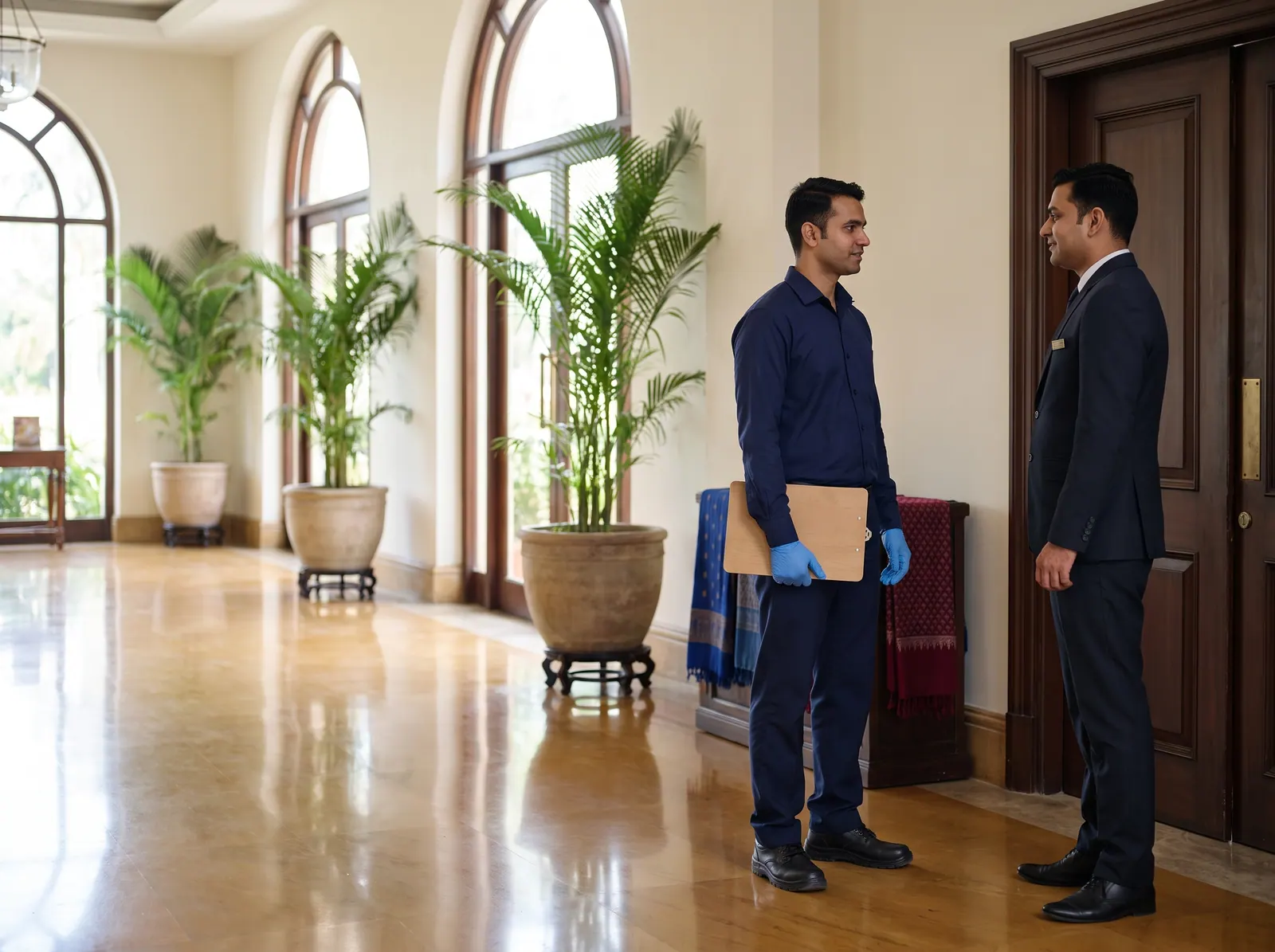
Every visit starts with an inspection, because the right answer depends on your building and how lizards are getting in. A typical visit looks like this:
- Inspection: Our technician checks walls, ceilings, false ceilings, frames, cupboards, kitchen areas, balconies and outdoor lighting for lizards, droppings, eggs and likely entry points.
- Insect assessment: We look at what the lizards are feeding on. If there is an underlying problem with cockroaches, flies, mosquitoes or ants, we explain it and how it can be treated.
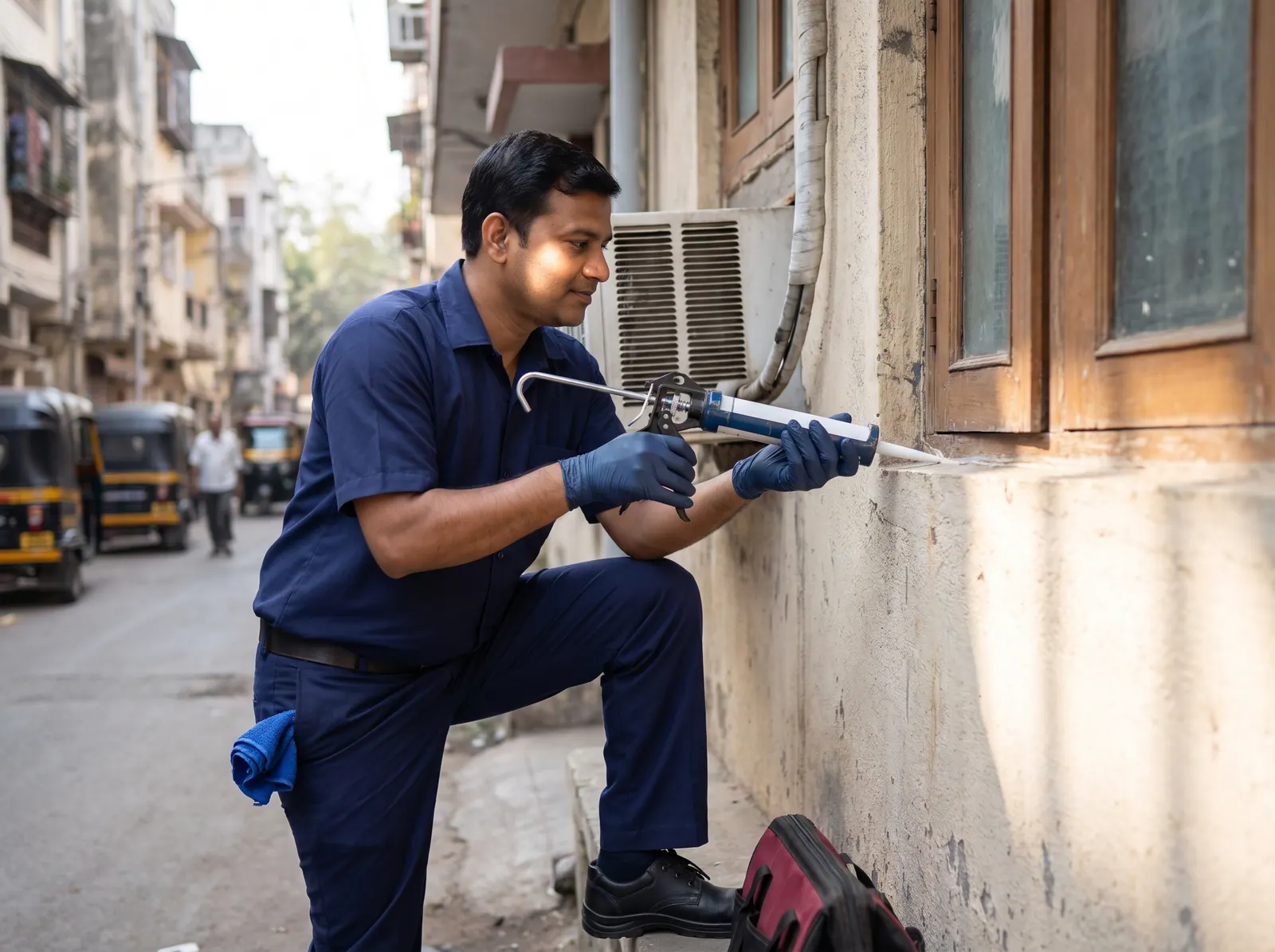
- Sealing and proofing advice: You receive specific advice on gaps to close, screens to fit and lighting to change.
- Targeted treatment: Where appropriate, we treat insect harbourage areas and use limited, carefully placed measures in specific hiding spots, using CIB&RC-registered products.
- Service report: After the visit, we share a service report as proof of service, and keep clients updated on WhatsApp.
Our Goa operation is a licensed pest control operator with the Directorate of Agriculture, Goa, and we maintain Material Safety Data Sheets for the products we use. You can read more about our general process on our how we work page.
Sealing and housekeeping: what you can do
Most of the long-term improvement comes from changes to the building and routine. These steps make a real difference:
- Fit door sweeps or seals where there is a visible gap under doors.
- Use fine mesh screens on windows and ventilators that stay open.
- Seal holes around AC pipes, cables and plumbing with suitable filler.
- Cover drain openings and exhaust vents with mesh.
- Reduce clutter behind cupboards, frames and stored cartons where lizards hide and lay eggs.
- Wipe up food spills, cover food and empty kitchen bins daily so fewer insects gather.
Lighting matters as much as sealing. This table shows simple changes and why they help.
| What you notice | Why it attracts lizards | What helps |
|---|---|---|
| Lizards around a porch or balcony light | Insects gather at the light after dark | Move lights away from doors, switch off when not needed, consider lights less attractive to insects |
| Lizards behind wall frames and cupboards | Dry, undisturbed shelter close to food | Clear clutter, check behind fixtures periodically |
| Lizards in the kitchen | Cockroaches, flies and crumbs provide food | Treat the insect problem, improve food storage and bin hygiene |
| Lizards appear after the monsoon starts | Rising insect numbers outdoors | Screens, sealed gaps and mosquito control around the property |
Popular home remedies such as eggshells or onion slices have little reliable evidence behind them. Please avoid mixing your own chemical sprays; they can put family members and pets at risk without solving the problem.
Lizard control for restaurants, hotels and other food premises
In a commercial kitchen, a lizard is more than a nuisance. Food businesses are expected to keep premises free of pests under the FSSAI Schedule 4 hygiene requirements, and HACCP-based systems treat pests as a contamination risk.
For food premises, we focus on:
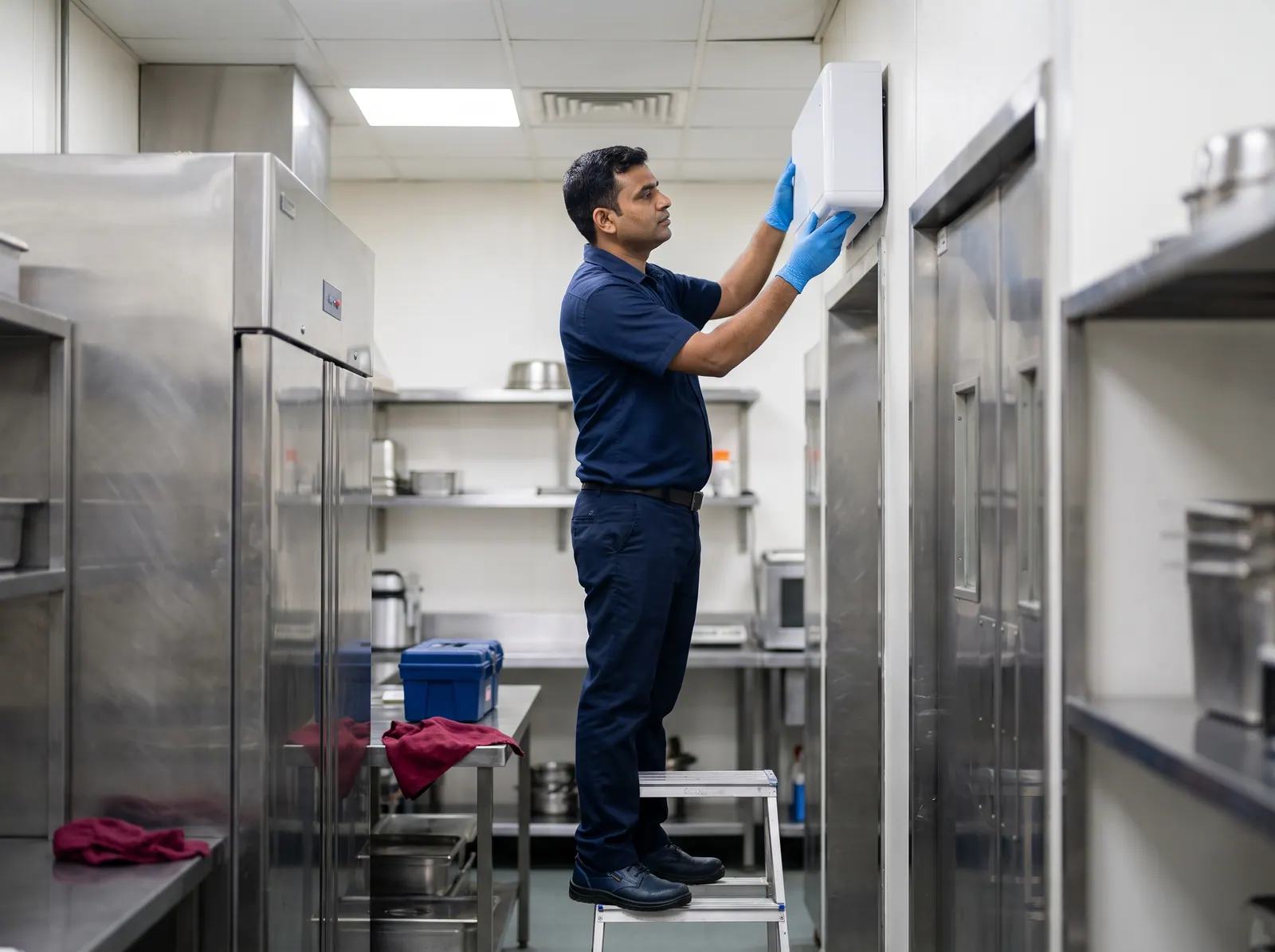
- Kitchens, dry stores, dishwashing areas and service counters, where lizards and droppings pose the greatest risk.
- Controlling the insects that feed lizards, especially cockroaches and flies. Our pages on cockroach control in Goa and house fly control in Goa explain those treatments.
- Proofing advice for back doors, delivery areas, exhaust openings and gaps around equipment.
- Lighting near entrances and outdoor seating, which can draw insects close to food areas.
- Documentation for food businesses aligned with HACCP and FSSAI audit expectations, along with service reports after each visit.
For hotels and resorts, lizards in guest rooms, corridors and staff accommodation can also be included in a wider hotel pest management programme or an annual maintenance contract with scheduled visits.
One Goa purchase manager, Mr. Sunil Ambokar, mentioned lizard treatment alongside other services in his published testimonial:
Also Cockroach treatment, lizard treatment, rodent treatment we are happy with Efficacy Pest Control.
What results can you realistically expect?
Lizards live naturally outdoors across Goa, so no treatment can stop them from ever entering a building. Anyone who promises a lizard-free home forever is overselling.
What you can reasonably expect is fewer lizards indoors, especially in the rooms that matter most, such as kitchens and bedrooms. The improvement is usually greatest when sealing and lighting advice is followed and the insect problem is brought under control. Results build over time rather than overnight.
Where a warranty applies, it covers the treated area for specific services, as set out in your service agreement. It does not cover lizards entering from neighbouring properties or outdoors, or cases where structural changes are made or post-service instructions are not followed.
How do we keep the treatment safe?
Safety is part of planning, not an afterthought. We use CIB&RC-registered products according to label directions and keep Material Safety Data Sheets for them. During and after treatment:
- Keep children and pets away from treated areas until surfaces are dry, or as your technician advises.
- Ventilate rooms after treatment.
- Cover or remove food, utensils and pet bowls before the visit.
- Wash hands after touching treated surfaces.
More general questions are answered in our Goa pest control FAQs.
Where in Goa do we provide lizard control?
Lizard control is provided from our Goa branch in Chimbel. Areas covered in our records include Panaji (Panjim), Porvorim, Mapusa, Calangute, Candolim, Baga, Ponda, Vasco da Gama and Margao, along with their surrounding localities. See the Goa branch page for details.
To arrange a visit, tell our Goa branch in Chimbel your location, the type of property and where you are seeing lizards. We'll suggest the right inspection and next steps.
Frequently asked questions
QCan you make my home completely lizard-free?
No honest pest controller can promise that. House lizards live naturally outdoors throughout Goa and will look for food and shelter wherever they can. What we aim for is a clear reduction indoors by closing entry points, managing lights and insects, and using targeted measures in hiding spots. Following the sealing and housekeeping advice makes the biggest long-term difference.
QWhy do I see more lizards during and after the monsoon?
The monsoon brings a rise in flying and crawling insects, and lizards follow their food. Wet weather also pushes insects towards sheltered, lit areas such as verandas, balconies and kitchens. Fitting screens, sealing gaps and reducing outdoor lighting near doors before and during the rains helps limit how many lizards come inside.
QIs lizard treatment safe for my children and pets?
We use CIB&RC-registered products according to label directions and maintain safety data sheets for them. Treatment is targeted to specific spots rather than sprayed widely. Keep children and pets away from treated areas until they are dry or for as long as your technician advises, ventilate the rooms, and wash hands after touching treated surfaces.
QDo eggshells, onions or other home remedies keep lizards away?
There is little reliable evidence that these remedies work. They may seem to help briefly, but lizards return as long as insects and entry points remain. We strongly advise against mixing homemade chemical sprays, which can harm people and pets. Sealing gaps, controlling insects and changing lighting are far more dependable.
QCan lizard control be included in our restaurant's pest management plan?
Yes. For restaurants and other food premises in Goa, lizard management can sit alongside cockroach, rodent and fly control in a scheduled programme or annual maintenance contract. We share service reports after visits and provide documentation aligned with HACCP and FSSAI audit expectations, which helps when inspectors or auditors ask for pest control records.
QWhat should I do before the technician arrives?
Clear the areas where lizards are seen, particularly behind cupboards and frames if you can do so safely. Cover or put away food, utensils and pet bowls, and keep pets secured. Have someone available to accompany the technician and point out where lizards, droppings or eggs have been noticed. This helps the inspection focus on the right spots.
Last updated 13 October 2026. Information on this page is general guidance; your technician will advise on your specific property after inspection.