Quick answer
Keeping your home pest-free year-round in Goa comes down to three habits. Remove what pests need (food, water and shelter), block the ways they get in, and adjust your routine to the seasons. Prepare before the monsoon, when damp and standing water favour mosquitoes, termites and cockroaches. Check timber and drains after the rains, and call a licensed professional when signs persist.
Key points
- Most household pests need food, water and shelter; removing these and sealing entry points prevents many problems.
- In Goa, the weeks before the south-west monsoon are the most practical time for roof repairs, gutter clearing and timber checks.
- A weekly round to empty standing water during the monsoon is one of the simplest ways to reduce mosquito breeding.
- Termites usually show as mud tubes and hollow timber, while wood borers leave small round holes and fine powder.
- When using any household pest product, follow label directions and keep children and pets away until treated areas are dry.
Keeping your home pest-free year-round is less about one big treatment and more about steady habits that follow the seasons. In Goa, the heavy south-west monsoon and humid coastal air shape almost every pest problem a household faces. That includes mosquitoes and cockroaches, as well as termites and wood borers in furniture and roof timber.
This guide covers what to watch for in each season and gives you a room-by-room checklist. It also lists the signs that mean it is time to bring in a professional. It applies whether you live in a flat in Porvorim, a villa near Candolim or an older family house in Margao.
What does a pest need, and how do you take it away?
Almost every household pest is looking for the same three things: food, water and shelter. Take those away and keep entry points closed, and most problems shrink before they start.
Professionals work the same way under Integrated Pest Management (IPM). They inspect first, fix the conditions, and treat only where it is needed.
- Food: crumbs, open grain and pet food, fruit left on the counter, overflowing bins.
- Water: dripping taps, leaks under sinks, water in plant trays, buckets, coconut shells and blocked gutters.
- Shelter: cardboard boxes, stacked newspapers, cluttered store rooms, gaps behind kitchen cabinets, dense plants against walls.
- Entry points: gaps around pipes and cables, unscreened drains, torn window mesh, door gaps and open ducts.
A season-by-season pest calendar for Goa homes
Goa's year broadly divides into four stretches:
- a hot pre-monsoon period
- a long and very wet monsoon
- a humid post-monsoon period
- a cooler, drier season that coincides with the holiday months
Pest activity follows this pattern, so your checks should too.
| Season | What tends to increase | What to do at home |
|---|---|---|
| Pre-monsoon (roughly March to May) | Ants searching for water, cockroaches, termite activity in damp spots | Repair roofs and leaks, clear gutters, check timber, declutter store rooms |
| Monsoon (roughly June to September) | Mosquitoes, flies, cockroaches from drains, rodents seeking dry shelter, winged termites near lights, silverfish | Empty standing water weekly, cover drains, keep food sealed, keep rooms ventilated |
| Post-monsoon (roughly October to November) | Mosquitoes in leftover water, visible termite and wood borer damage, damp-related pests | Dry out cupboards and store rooms, inspect furniture and frames, clear the compound |
| Cooler dry season (roughly December to February) | Bed bugs arriving in luggage with guests and travel, rodents in stores and roof spaces | Check guest rooms and bags, inspect lofts, keep bins closed |
The timing shifts a little from year to year with the arrival of the rains. Treat the months as a guide rather than fixed dates.
How should you prepare your home before the monsoon?
The weeks before the rains are the most useful time of year for prevention. Once the monsoon sets in, roof repairs, outdoor clearing and drying out store rooms all become much harder.
- Clear gutters, downpipes and roof valleys so rainwater runs off instead of pooling.
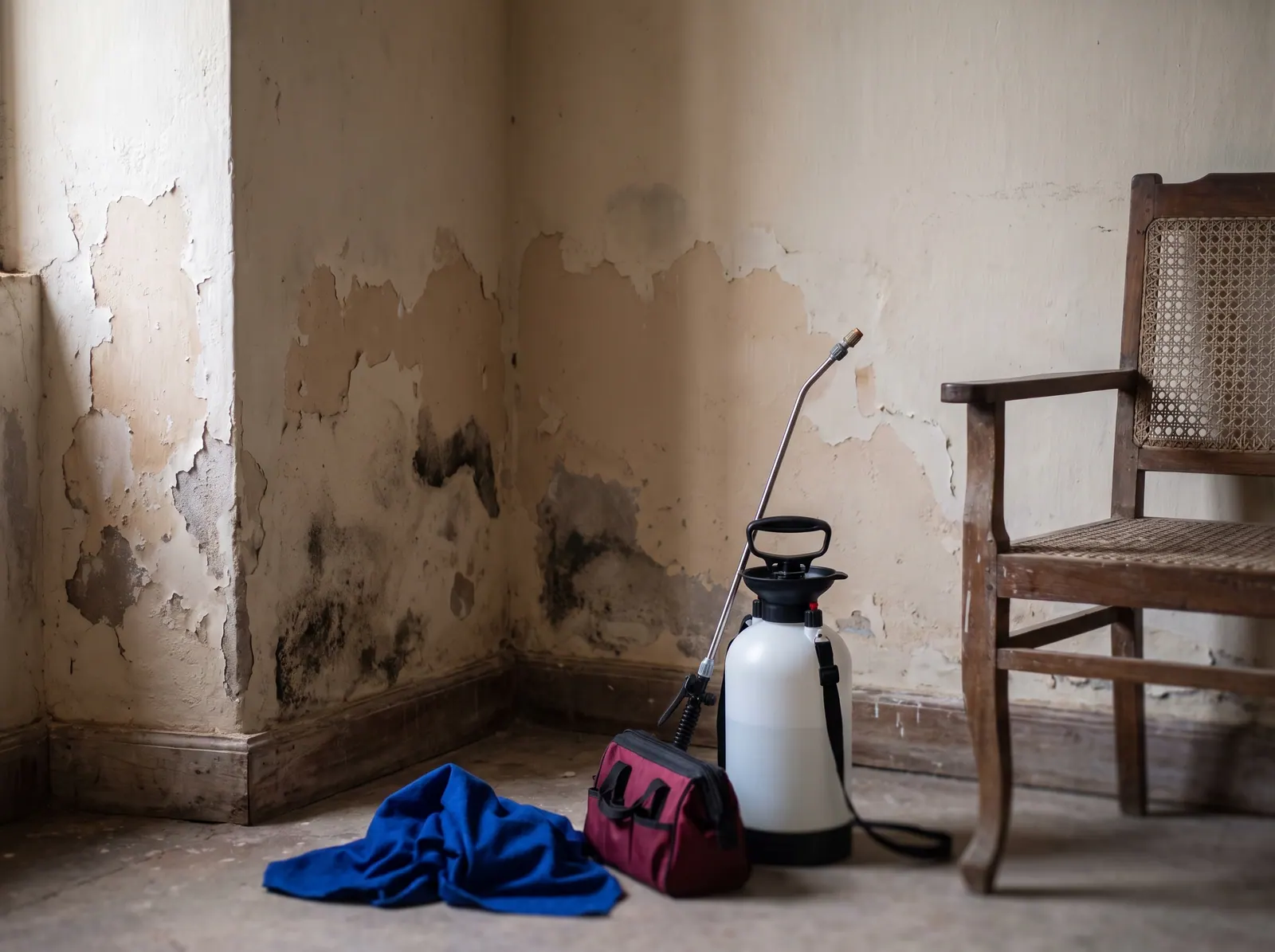
- Repair broken roof tiles, cracked plaster and leaking pipes. Damp walls and timber attract termites and other moisture-loving insects.
- Fit or repair mesh on drain outlets, floor traps and windows.
- Move firewood, old furniture and stored timber off bare soil and away from the house walls.
- Turn over or remove anything outdoors that can hold water, such as pots, tyres, buckets, plastic sheeting and broken containers.
- Get your timber checked if you have seen mud tubes, hollow-sounding wood or swarms of winged insects around lights in past years.
During the monsoon, the most effective habit is a weekly round of the house and compound to empty or cover standing water. Mosquito larvae can develop in very small amounts of water, such as a flower-vase tray, a blocked AC drain line or a fold in a tarpaulin.
If mosquitoes keep coming back despite this, our page on mosquito control in Goa explains how breeding-site reduction and targeted treatment work together.
A room-by-room checklist
Kitchen
Wipe counters and the hob every night and do not leave dishes soaking overnight. Store grains, sugar and pet food in sealed containers.
Once a month, pull out the gas cylinder and check behind the fridge for droppings, egg cases or grease build-up. Cockroaches shelter in warm, tight gaps near food and water. If you keep seeing them in daylight, read how cockroach control with gel baiting and crack-and-crevice treatment works.
Bathrooms and drains
Keep floor traps covered, especially at night and during heavy rain, when cockroaches and drain flies can come up through the pipes. Fix dripping taps and run water through rarely used drains so the trap does not dry out.
Bedrooms and guest rooms
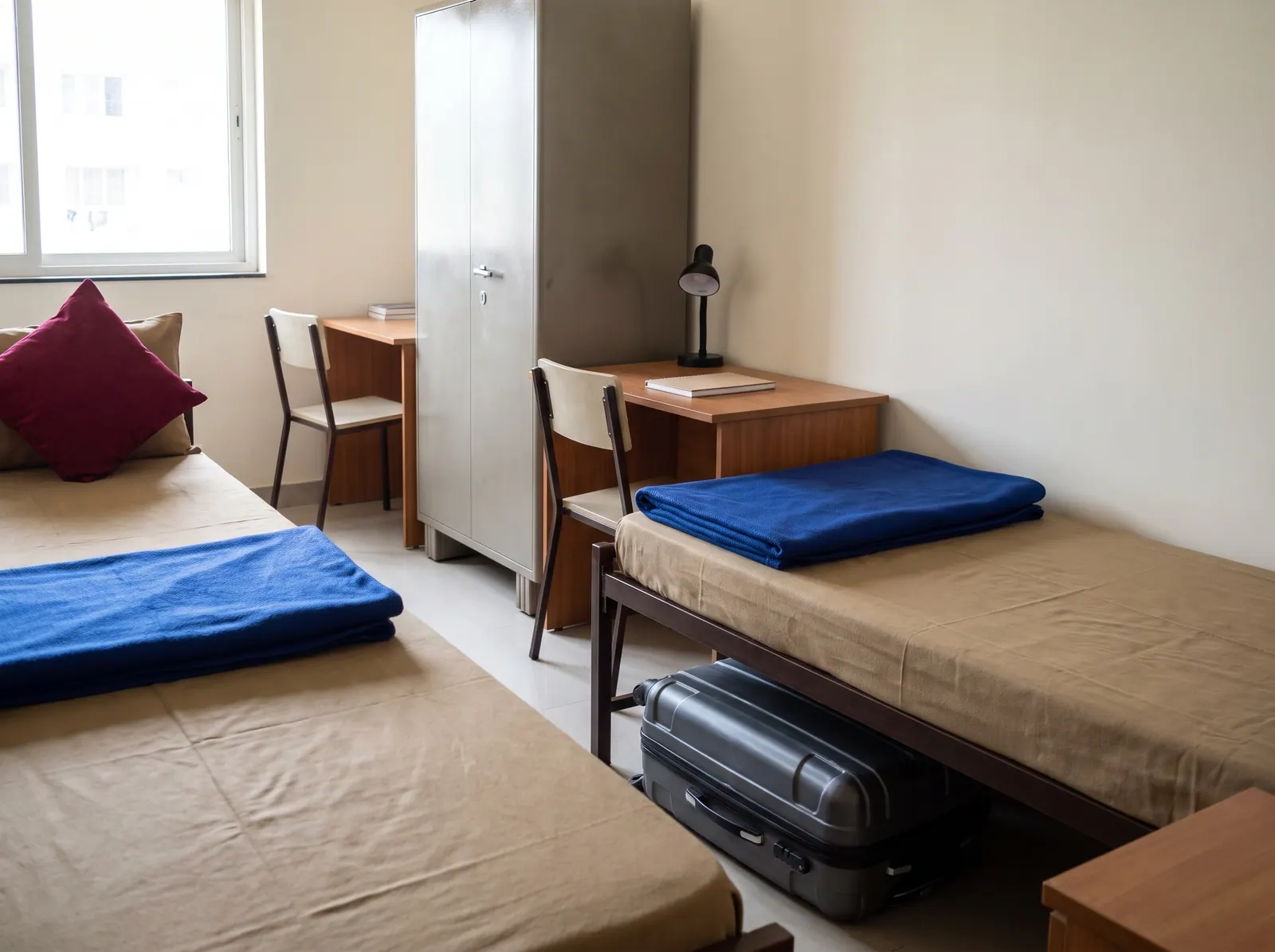
Vacuum along mattress seams and bed joints now and then. After guests leave or you return from travel, check for small dark spots or tiny reddish-brown insects in the seams.
Keep luggage on a rack or hard floor rather than on the bed. Reduce clutter under beds, where silverfish and cockroaches can hide.
Balconies, terraces and ducts
Pigeons nesting on ledges, AC units and duct openings bring droppings and mess. They can also attract mites and other insects. Clear nesting material early, before birds settle in. The article on the benefits of bird netting at home explains when netting is a sensible long-term fix.
Garden and compound
Trim plants and creepers so they do not touch walls or windows. Store coconut husks, leaf piles and construction leftovers away from the house.
Keep bins on a raised, clean surface with tight lids. Watch for rat burrows along compound walls and around drains.
How do you protect wooden furniture and the structure?
Many Goa homes have wooden doors, window frames, roof rafters and heirloom furniture. All of these can be affected by termites and wood borers, which are different problems.
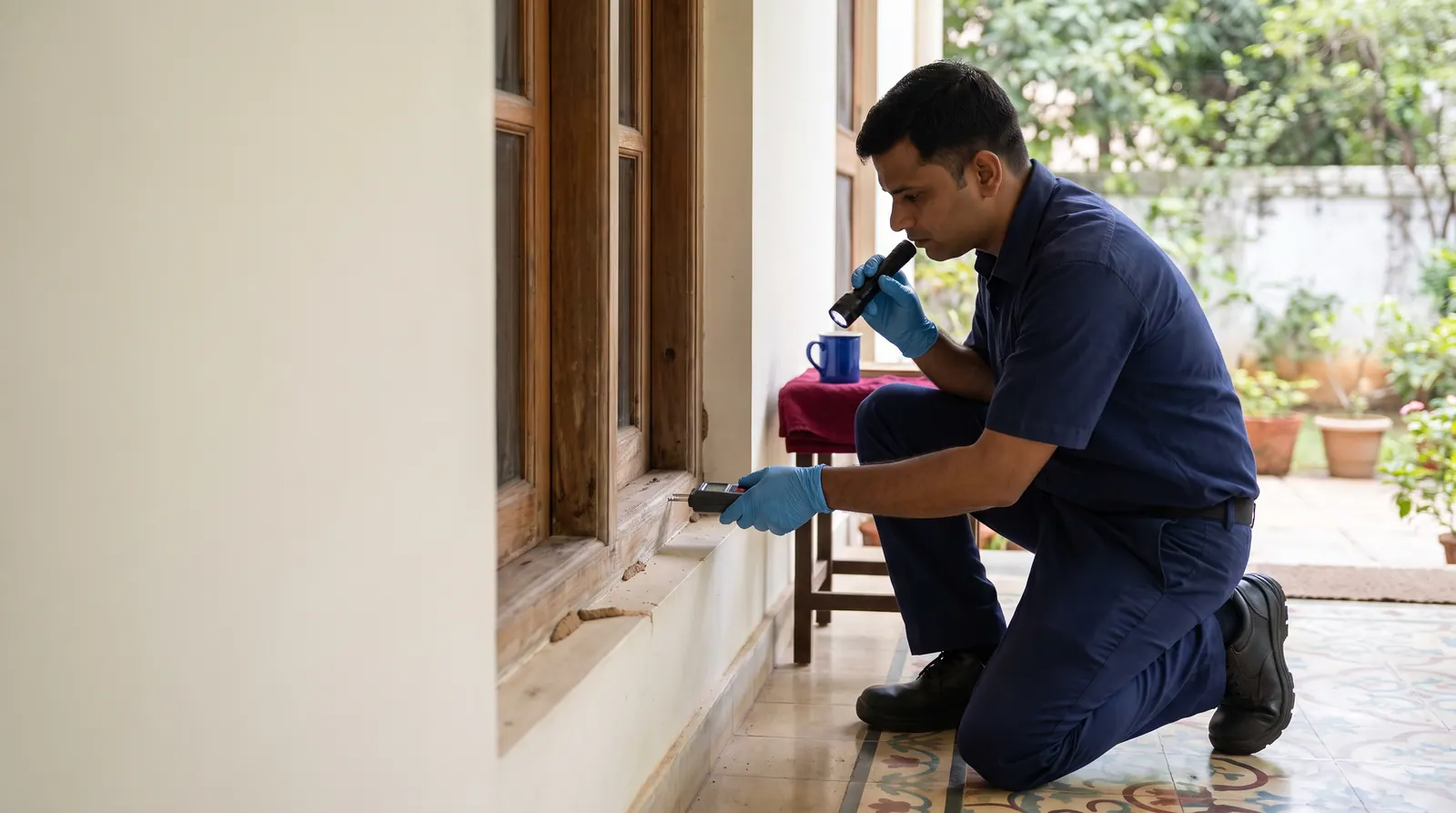
- Termites usually come up from the soil. Look for thin mud tubes on walls and skirting, wood that sounds hollow when tapped, and discarded wings near windows after the first rains.
- Wood borers live inside the wood itself. Look for small round holes and fine powder collecting under furniture or door frames.
Do not wait until wood crumbles. Termite treatment in an occupied home usually involves drilling along walls and floors, then filling and sealing the holes. Our guide on how to prepare your home for termite drilling treatment walks through what to move and expect.
For furniture and frames showing borer holes, see wood borer treatment in Goa. If you are planning work on the house, building work is a good moment to deal with existing problems. Read pest control around home renovation before work starts.
When is it time to call a professional?
Good habits prevent many problems, but some signs mean an infestation is already established:
- cockroaches seen regularly in daylight, or droppings and egg cases in several rooms
- gnaw marks, droppings or scratching sounds in the roof or store room
- itchy bites on waking, or blood spots on sheets
- mud tubes, hollow timber or fresh wood powder
- a bee or wasp nest near a door, window or play area (do not try to knock it down)
If you use a household product in the meantime, follow the label directions exactly. Keep children and pets away from treated areas until they are dry or for as long as the label advises. Ventilate the room and wash your hands afterwards.
Do not mix products. If anyone has a bite or sting reaction, or feels unwell after contact with a product, see a doctor.
How does a professional maintenance plan fit in?
For many households, a combination of good habits and scheduled professional visits is the most practical way to stay ahead of pests.
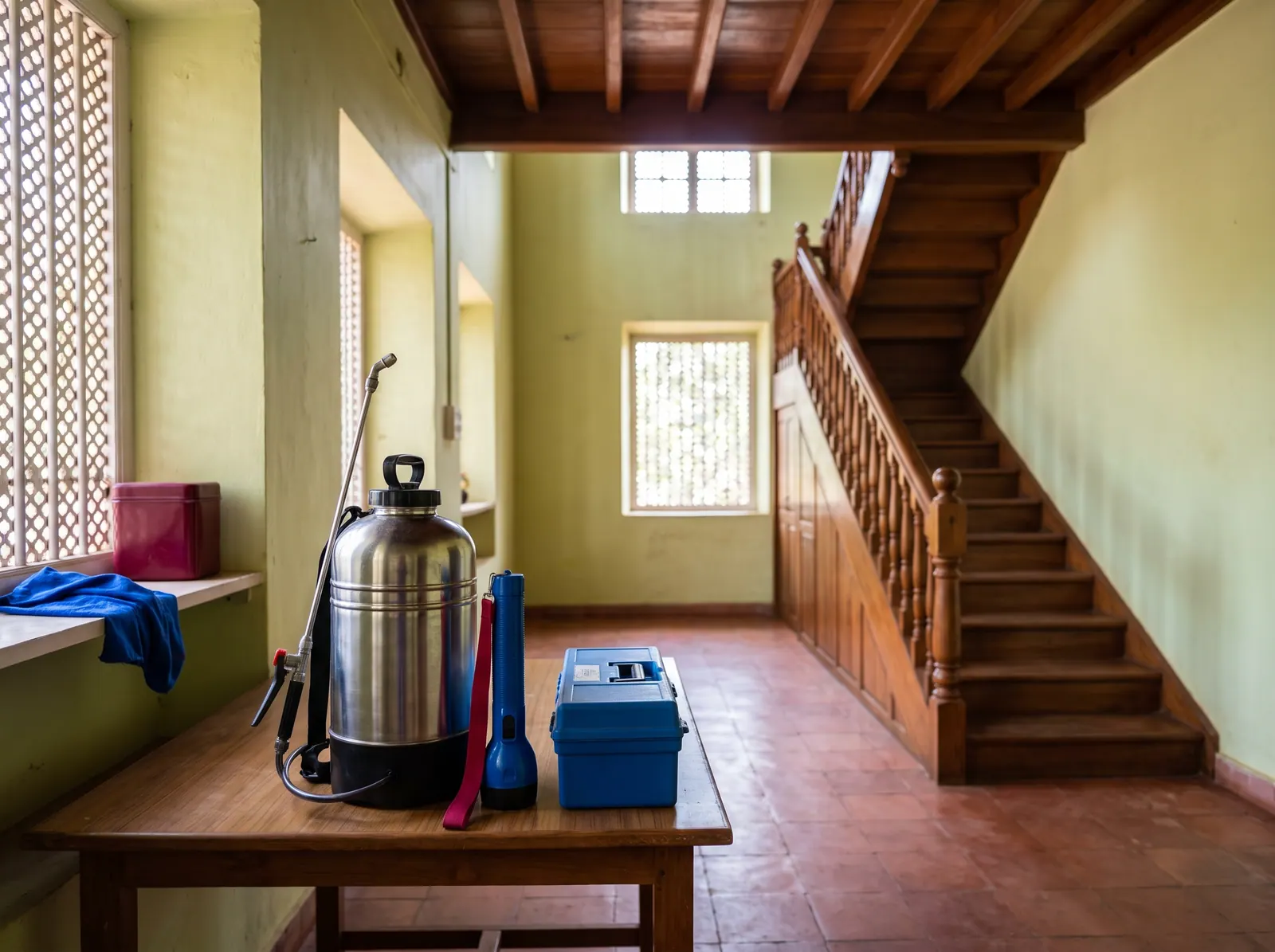
Our Goa branch in Chimbel is a licensed pest control operator under the Directorate of Agriculture, Goa. It uses CIB&RC-registered products and maintains Material Safety Data Sheets for the products it uses. Visits follow the IPM approach described above: inspection, sanitation and proofing advice, then targeted treatment. After each visit, clients receive service reports along with WhatsApp updates.
Annual Maintenance Contracts provide scheduled visits through the year with a service report each time. For specific services, a warranty applies to the treated area as set out in the service agreement.
Pests can also move in from a neighbouring flat or an open plot. That is why prevention at home and coordination within a housing society matter as much as the treatment itself.
If you are seeing signs that do not go away, contact our Goa branch in Chimbel. Tell us your town and what you are noticing, and we will suggest the next steps.
Frequently asked questions
QHow often should a home in Goa have professional pest control?
It depends on the pest and how established the problem is. A home with an active cockroach or bed bug problem may need a short series of visits, while a home that is under control may only need periodic maintenance, such as monthly or quarterly visits. An inspection is the best way to decide. Many households also schedule a check before the monsoon, when damp conditions start to favour termites, cockroaches and mosquitoes.
QIs the monsoon a bad time for termite treatment?
Not necessarily. If termites are active, it is better to deal with them than to wait for dry weather. Many people prefer to have timber inspected before the rains, because that is when repairs and clearing are easiest. Post-construction treatment in occupied homes usually involves drilling, filling and sealing along walls and floors, following the approach in the Indian Standard for anti-termite treatment of existing buildings.
QIs pest treatment safe if I have young children and pets?
Safety depends on choosing the right method and applying it carefully. Your technician should explain which rooms will be treated and how long to keep children and pets away, usually until surfaces are dry. You should also be told how to ventilate afterwards. Keep pet food and bowls covered or removed, and wash your hands after touching treated areas. If anyone feels unwell, see a doctor.
QWhy do cockroaches seem to appear from bathroom drains during the rains?
Heavy rain can flood the sewer and drain lines where cockroaches live. They then move upwards through floor traps and sink outlets looking for drier shelter. Traps that are rarely used can also dry out and leave an open path. Keeping floor traps covered at night, running water through unused drains and fixing broken drain mesh all help.
QI keep a Goa home locked during the monsoon. How do I protect it while I am away?
Before leaving, remove all food, empty the fridge, take out the rubbish and seal grains and dry goods. Fix leaks and clear gutters, and leave cupboard doors slightly open to reduce damp. Ask a neighbour or caretaker to check for standing water and roof leaks during the season. When you return, check timber, cupboards and the roof space for droppings, mud tubes or wood powder.
QWhat if pests keep coming in from a neighbour's flat or an empty plot next door?
Treatment protects the area that is actually treated. Pests from outside can still find their way in through shared walls, ducts and drains. Sealing gaps around pipes, fitting drain covers and keeping your balcony and compound clear all reduce this. In apartment buildings, coordinating treatment across a housing society usually works better than treating single flats.
Last updated 13 October 2026. Information on this page is general guidance; your technician will advise on your specific property after inspection.