Quick answer
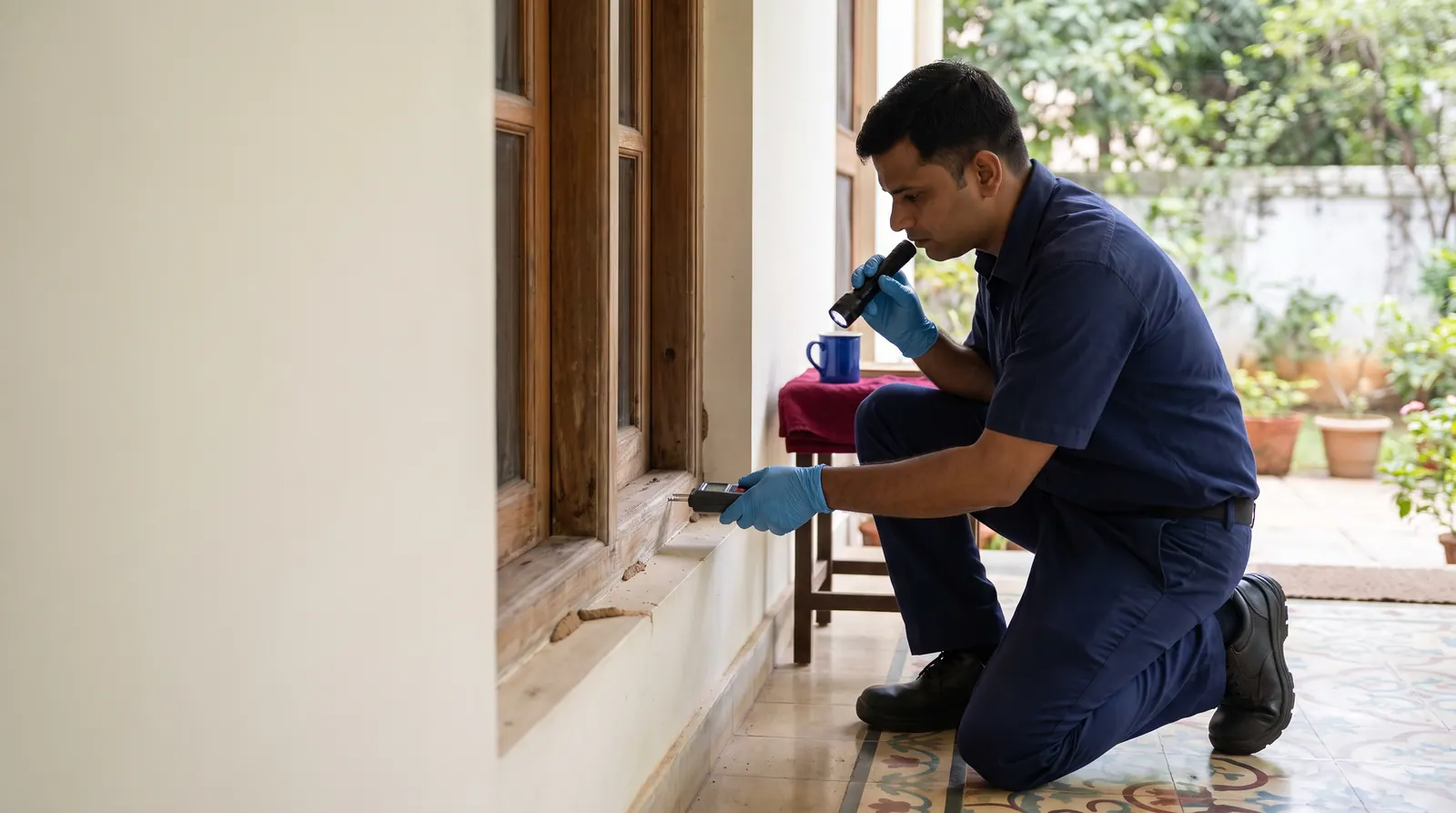
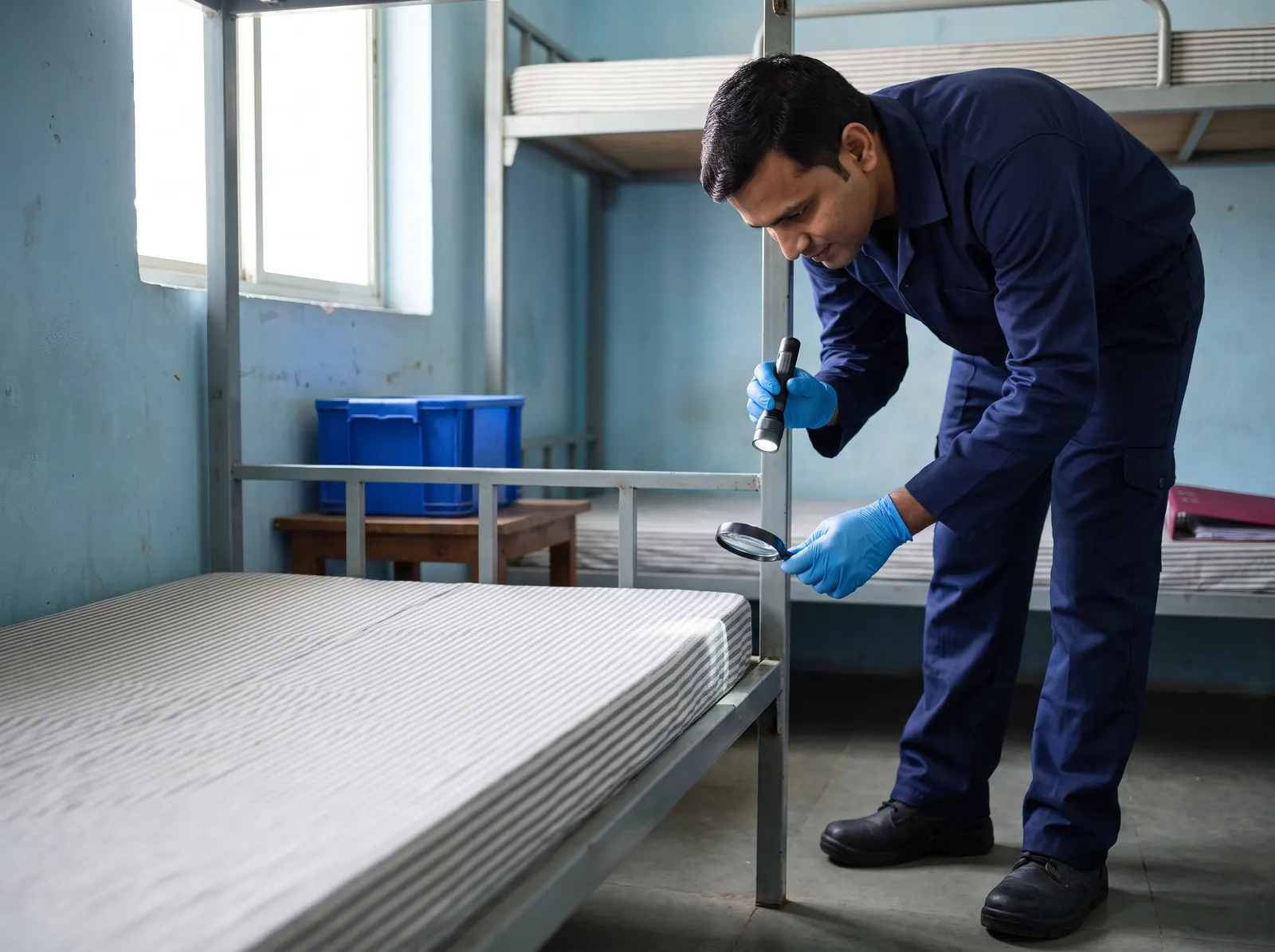
Efficacy Pest Control's Goa branch in Chimbel provides bed bug treatment in Baga for homes, villas, guest houses, homestays, hotels and staff accommodation. Each job starts with a room-by-room inspection to map hiding spots. Technicians then apply targeted treatment to seams, joints and cracks using CIB&RC-registered products, and return for follow-up visits so that bugs hatching from surviving eggs are dealt with too.
Key points
- Bed bugs arrive with people, in luggage, bags, clothing and second-hand furniture; they are not a sign of a dirty home.
- Eggs can survive a single treatment, so follow-up visits are needed to break the life cycle.
- Hotels and guest houses can usually keep unaffected rooms open while treatment is phased room by room.
- Bite marks alone do not confirm bed bugs; see a doctor for any strong skin reaction.
- Mattress encasements, luggage racks and checks at every room changeover help prevent bed bugs coming back.
Bed bug treatment in Baga is handled by our Goa branch in Chimbel, which lists Baga among the areas it covers. We inspect every affected room and map where the bugs are hiding. We then treat those spots precisely and return for follow-up visits, because eggs that survive the first round hatch later.
The same method works for a family flat, a rented villa, a homestay or a hotel wing. Shop sprays rarely finish the job. They may kill the bugs you can see, but bed bugs spend most of their time deep in mattress seams, bed joints and wall cracks, where a quick spray does not reach the eggs. A planned bed bug treatment breaks the life cycle rather than just knocking down adults.
Why do bed bugs turn up in Baga properties?
Baga is a busy beach area in North Goa, with guest houses, homestays, holiday rentals and hotels alongside family homes. Bed bugs do not come from dirt or sea air. They arrive with people, in luggage, backpacks, second-hand furniture and bundles of clothing.
Wherever beds are used by a steady stream of different sleepers, the chance of someone bringing them in rises. Once inside, bed bugs settle close to where people sleep or sit for long periods. In shared buildings they can also move between rooms through gaps around pipes, skirting and wiring. That is why a single guest complaint is worth acting on quickly.
How can you tell if you have bed bugs?
Adult bed bugs are flat, reddish-brown and roughly the size of an apple seed. Young ones are smaller and paler, and the eggs are tiny and whitish. They feed on blood, mostly at night, and hide during the day. Look for:
- Itchy bites, often in a line or small cluster, noticed after sleeping
- Tiny dark spots on sheets, mattress seams or the bed frame (droppings)
- Small rust-coloured smears on pillowcases
- Pale shed skins in seams, folds and joints
- A stale, musty smell in heavier infestations
- Live bugs in mattress piping, headboard joints or sofa seams
Bite marks alone are not proof. People react differently, and some show no marks at all. If anyone has a strong skin reaction, signs of infection or any other health concern, please see a doctor.
Where do bed bugs hide in different types of property?
Where we focus during an inspection depends on how the property is used:
| Property type | Typical hiding places | Planning point |
|---|---|---|
| Family flat or independent house | Mattress seams, bed frames, headboards, sofas, wardrobe joints | Usually treated in one session, with a follow-up visit |
| Villa or holiday rental | Beds, upholstered chairs, luggage racks, bedside drawers | Time the visits between bookings where possible |
| Guest house or homestay | Beds, wall cracks behind headboards, curtain folds, linen stores | Check neighbouring rooms as well as the reported one |
| Hotel or resort rooms | Beds, headboards fixed to walls, sofa beds, picture frames | Room-by-room phasing with records for each room |
| Staff accommodation | Bunk beds, personal bags, mattresses on the floor, shared lockers | Treat all linked rooms together to stop bugs moving back |
What happens during treatment?
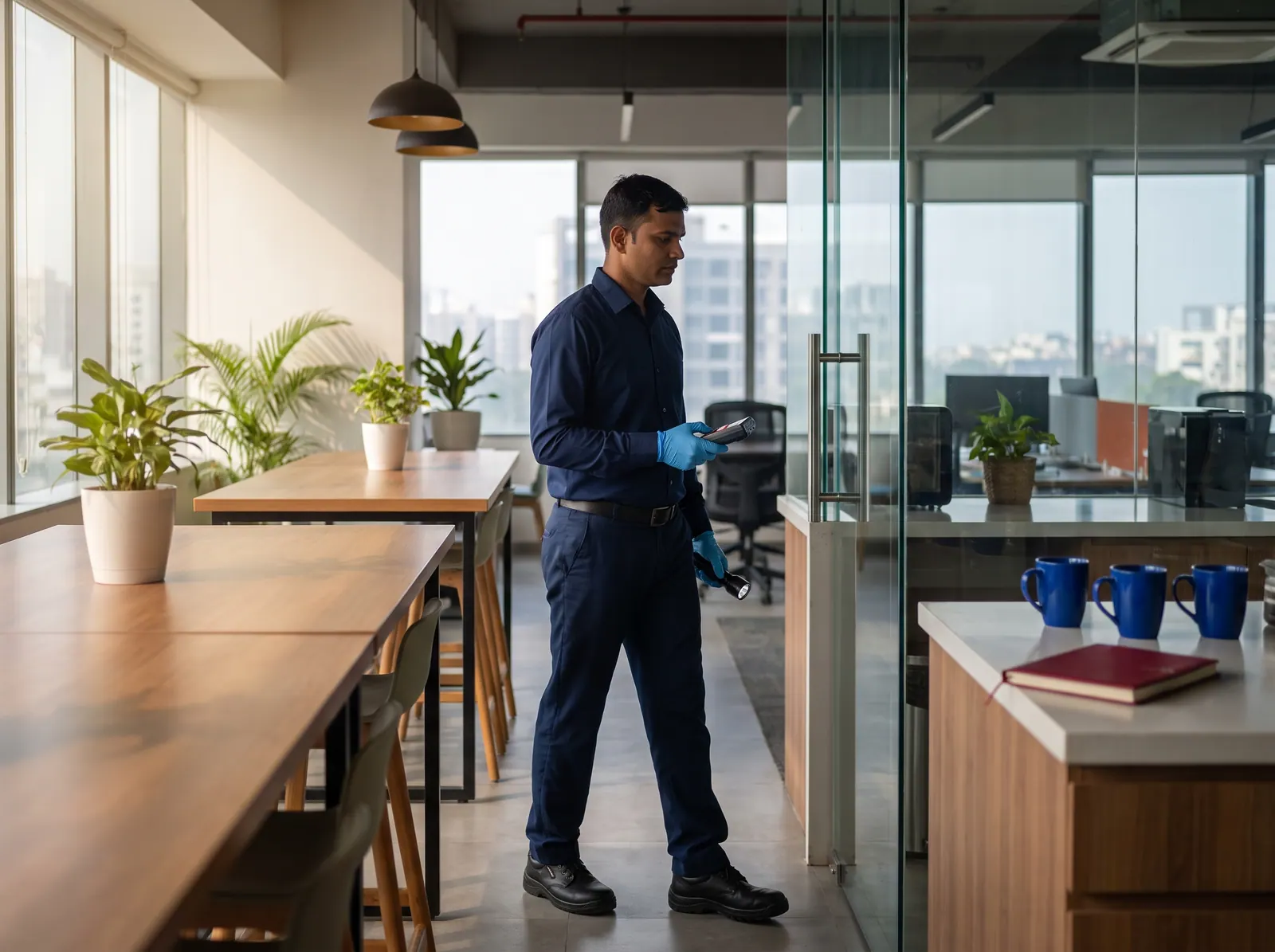
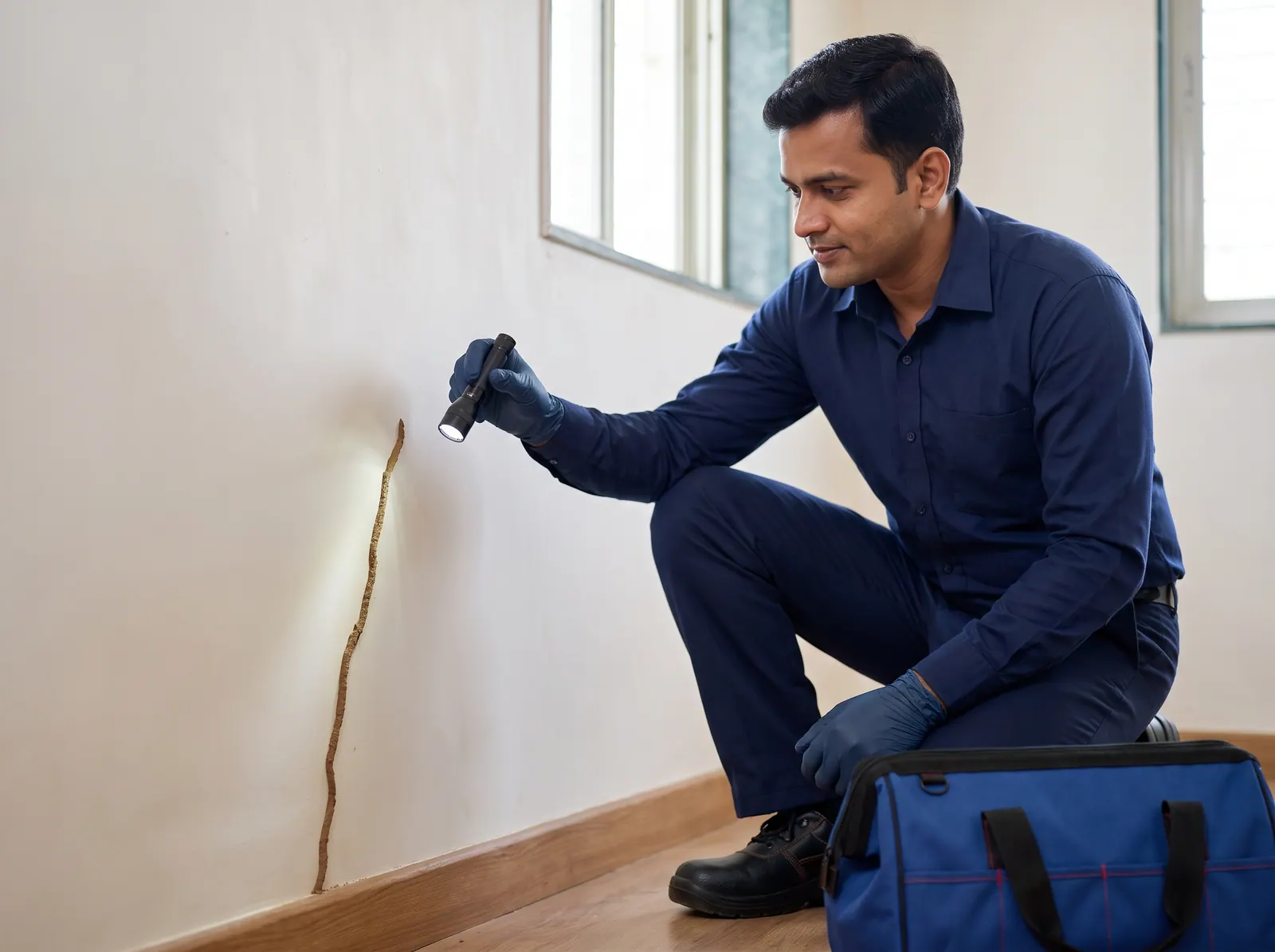
- Inspection and mapping. We check beds, sofas, furniture joints, wall cracks, sockets near beds and travel bags. We mark the main hiding spots so treatment goes where it is needed.
- Preparation guidance. We tell you what to wash, what to bag and what to move before we arrive. Our bed bug treatment preparation checklist covers this in detail.
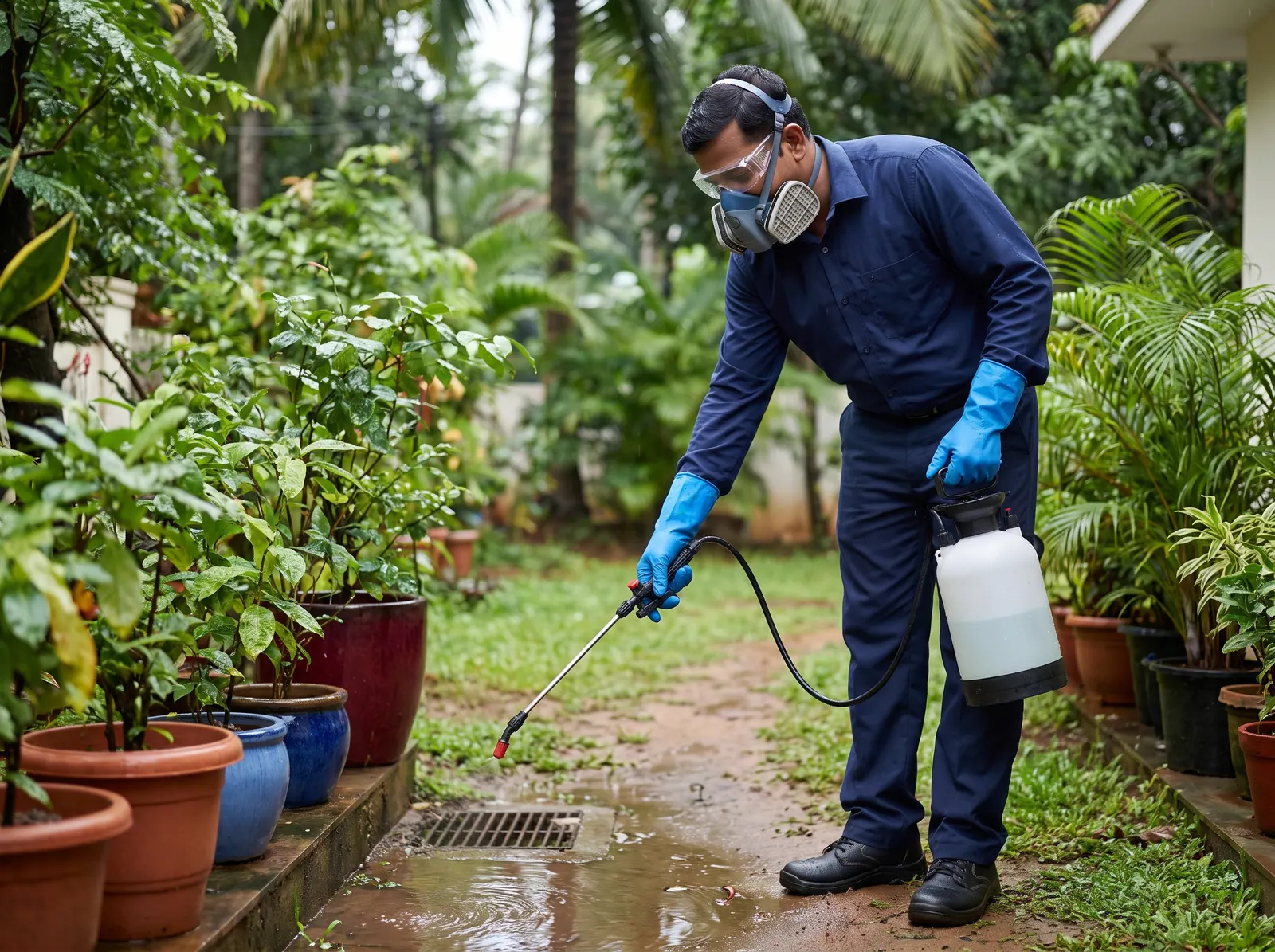
- Targeted treatment. Technicians treat cracks, crevices, bed frames, seams and other hiding zones using CIB&RC-registered products. This follows our Integrated Pest Management approach: inspection, sanitation and proofing advice, then targeted treatment.
- Follow-up visits. We re-inspect and treat again where needed, to catch bugs that hatch after the first visit.
- Service report. After each visit you receive a service report, and updates can be shared on WhatsApp.
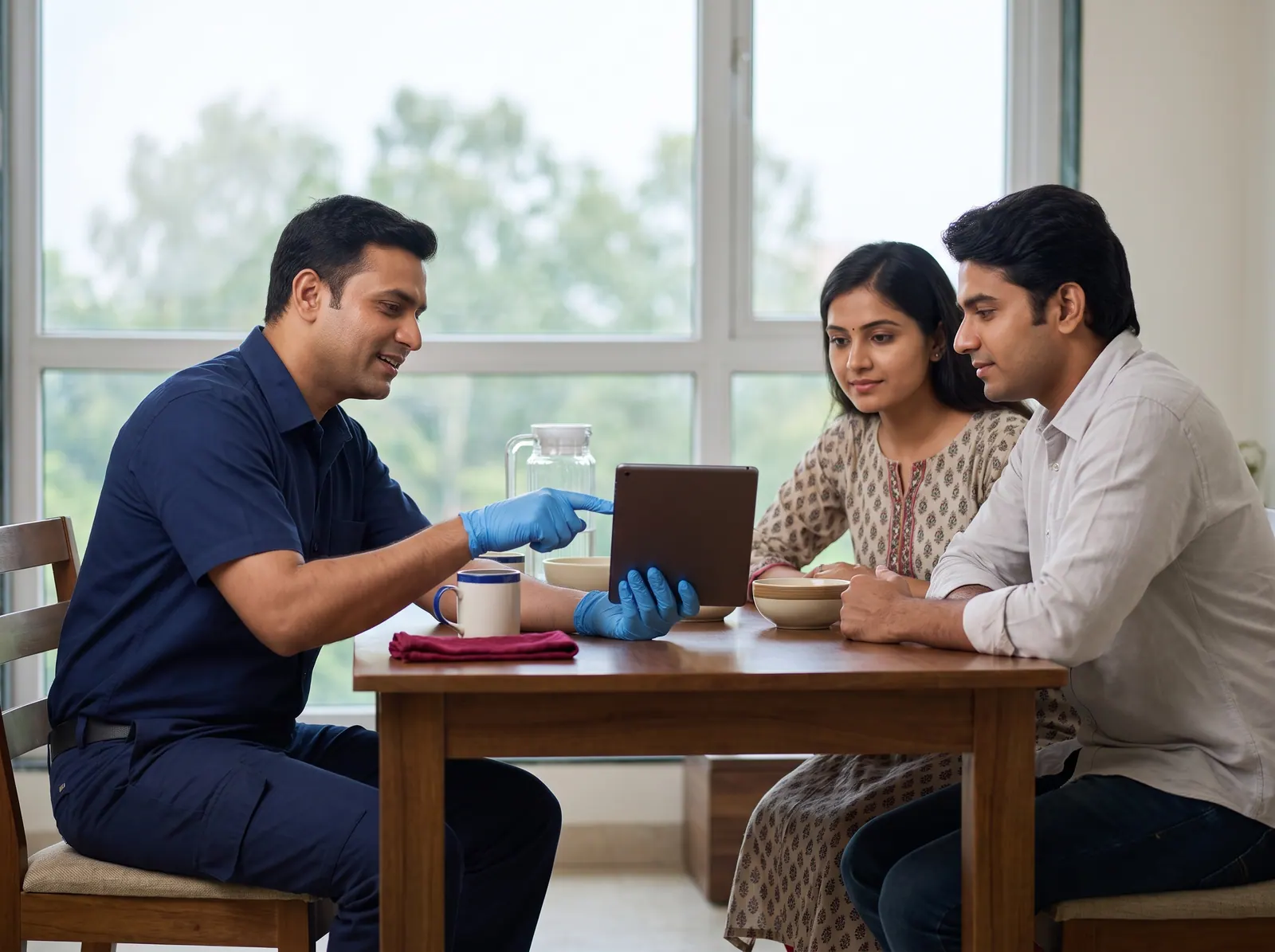
A client representative should be present while technicians work. That person can open rooms, answer questions about where bites were noticed and receive the after-care instructions.
Can a guest house or hotel stay open during treatment?
Usually, yes. For hotels, guest houses and homestays, we plan the work room by room. Affected rooms and the rooms around them are taken out of use for a short period, while the rest of the property keeps running.
Linen from treated rooms should be bagged inside the room and carried straight to the laundry, so bugs are not spread along corridors. Many hosts prefer a full check before the busy season after the monsoon, when rooms can be taken out of use without turning guests away. Room-wise service reports also help when owners or managers need a record of what was done and where.
Staff quarters need their own attention, because shared rooms and personal bags let bed bugs move easily. A purchase manager in Goa wrote to us that bed bugs in their staff accommodation had been a real headache, and that the problem was solved within the first three months of our service. Our page on bed bug control for staff accommodation in Goa explains how we plan these jobs.
Is the treatment safe for family, guests and pets?
Our Goa operation is a licensed pest control operator with the Directorate of Agriculture, Goa, and uses CIB&RC-registered products. We maintain Material Safety Data Sheets for the products we use, and technicians follow label directions. Treatment is focused on hiding places rather than broad spraying.
Before and after the visit, please:
- Keep children and pets out of treated rooms until surfaces are dry, or for as long as the technician advises
- Open windows and ventilate the room before using it again
- Cover or remove fish tanks, and keep food and utensils out of treated areas
- Wash your hands after handling anything in a treated room
What affects the cost of bed bug treatment?
We do not quote a standard price because jobs vary widely. The cost depends on:
- The number of rooms, beds and sofas to be treated
- How established the infestation is
- The type of furniture, such as fixed headboards, wooden cots or upholstered pieces
- How many follow-up visits are needed
- For commercial properties, whether the work is phased across several days
We explain what will be treated before work starts, and you pay as per the quotation or invoice. Cash, UPI, card, net banking and bank transfer are accepted. If you need to reschedule, please tell us at least 48 hours before the visit, as a late-cancellation fee may apply.
After treatment: warranty and keeping bed bugs out
For specific services, a warranty applies to the treated area as set out in your service agreement. It varies by treatment. It does not cover structural changes, new construction or cases where post-service instructions were not followed. Bed bugs brought in afresh from outside, for example in a new guest's luggage, are a new introduction rather than a failed treatment.
Simple habits make a real difference:
- Fit zippered encasements on mattresses and pillows
- Use metal luggage racks away from the bed, and avoid placing bags on beds
- Check mattress seams and headboards during every room changeover
- Wash and dry linen on the hottest setting the fabric allows
- Inspect second-hand beds and sofas carefully before bringing them inside
Hosts will find more practical routines in our guide to bed bugs in Goa holiday rentals.
Booking bed bug treatment in Baga
Contact our Goa branch in Chimbel through the contact page. Tell us where in Baga you are, the type of property, how many rooms are affected and what you have noticed. We will suggest the next step, starting with an inspection.
If you have another pest problem at the same property, see our overview of pest control in Baga. For a neighbouring property, see bed bug treatment in Calangute.
Frequently asked questions
QDo I need to throw away my mattress if it has bed bugs?
Usually not. Most mattresses can be treated, especially if the infestation is caught early. After treatment, a zippered encasement traps any remaining bugs inside and makes future checks easier. A mattress that is badly torn or heavily infested may be better replaced, and the technician can advise during the inspection. If you do discard one, wrap it in plastic before carrying it out, so bugs are not shed through the building.
QHow many visits does bed bug treatment usually need?
Most jobs need an initial treatment and at least one follow-up visit. Eggs can survive the first round and hatch later, so the follow-up catches the young bugs before they mature and lay eggs of their own. Larger or longer-standing infestations, such as several rooms in a guest house, may need more visits. We agree the schedule with you after the inspection.
QCan my homestay in Baga take bookings during treatment?
In most cases you can keep unaffected rooms open. We plan the work room by room, so the affected rooms and those next to them come out of use for a short time while the rest of the property continues. The technician will tell you when each treated room can be ventilated, made up and used again. Bagging linen inside the room before taking it to the laundry helps stop bugs spreading.
QWhat should I do on the day of the treatment?
Follow the preparation list we give you. This usually means washing and bagging bedding and clothes, clearing clutter from under beds and moving furniture slightly away from walls. Keep children and pets out of the rooms being treated. Someone from the household or management should be present to let the technicians in and receive the after-care instructions.
QWhat if bed bugs appear again after treatment?
For specific services, a warranty applies to the treated area as set out in your service agreement. Tell our Goa branch in Chimbel what you have seen and where. It helps to know whether the room has had new occupants, luggage or furniture since the treatment. Bugs carried in afresh are a new introduction, so we also advise on checks and habits that reduce that risk.
QWill I get a record of the treatment for my property?
Yes. Service reports are shared after visits, and updates can be sent on WhatsApp. For hotels, guest houses and managed rentals, these records show which rooms were inspected and treated and when. Owners and managers often find this useful when reviewing guest complaints or planning the next round of checks.
Last updated 13 October 2026. Information on this page is general guidance; your technician will advise on your specific property after inspection.