Quick answer
To prepare for bed bug treatment, wash bedding and clothes from affected rooms on the hottest setting the fabric allows, seal them in plastic bags, and clear clutter from around and under beds and sofas. Pull furniture slightly away from walls and empty bedside drawers. Do not move items, mattresses or sleepers into untreated rooms, and avoid DIY sprays or foggers. Expect one or more follow-up visits.
Key points
- Bag bedding and clothes inside the infested room before carrying them anywhere else.
- Heat from hot washing and hot drying is one of the most reliable ways to deal with bed bugs on fabrics; sun-drying alone is not dependable.
- Leave mattresses, bed frames and sofas in place so the technician can inspect and treat them.
- Foggers, aerosol bombs and home-made sprays can scatter bed bugs into other rooms or neighbouring homes.
- Seeing some bed bugs after the first visit is normal; follow-up visits deal with bugs that hatch later.
Good bed bug treatment preparation makes a real difference to how well a treatment works. Bed bugs hide in seams, joints and cracks, and a technician can only treat the places they can reach. This checklist explains what to wash, what to bag, what to clear and, just as importantly, what not to move before your visit. For details of the service itself, see our bed bug treatment page.
Why does preparation matter so much with bed bugs?
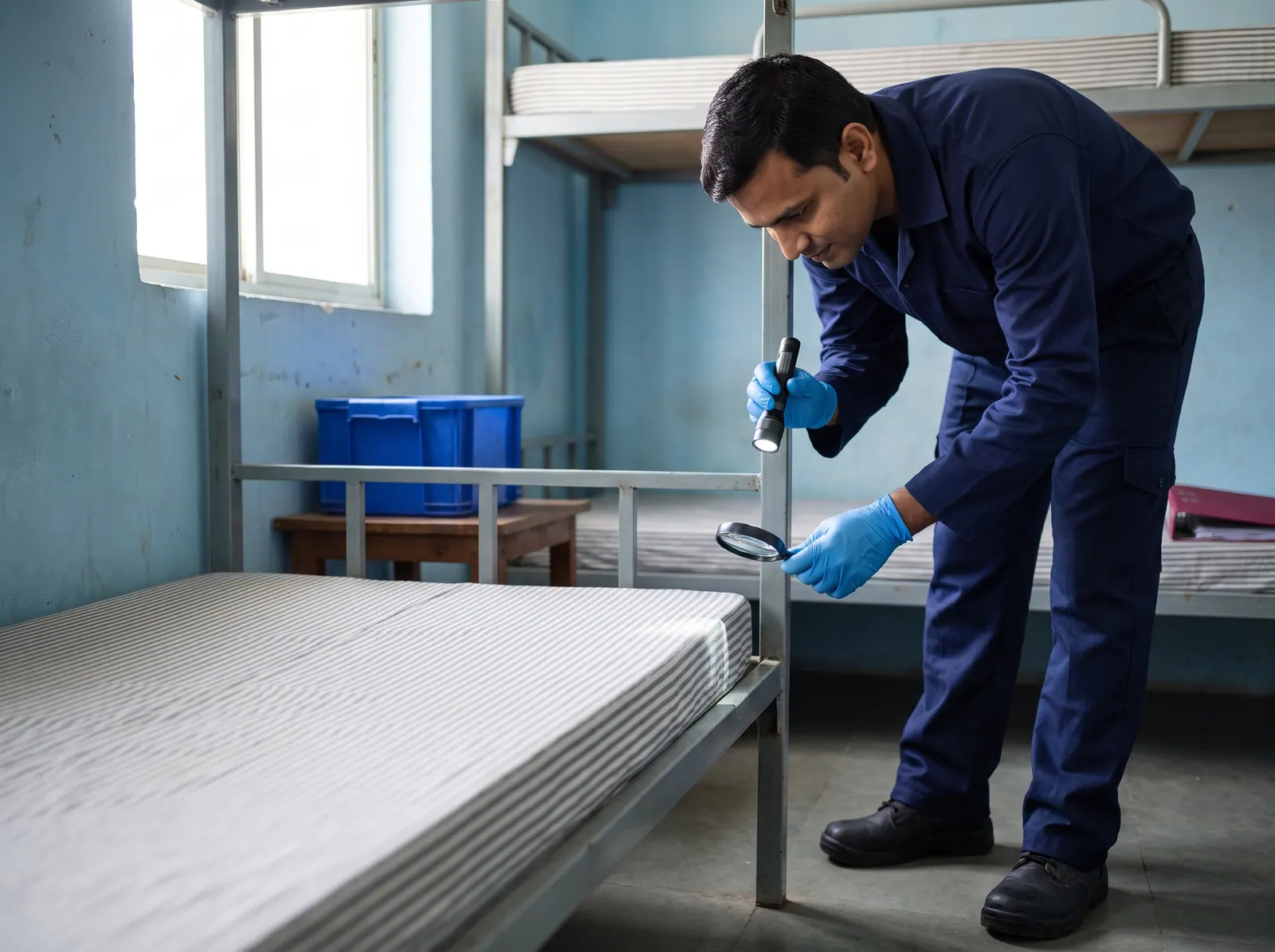
Bed bugs are small, flat and very good at hiding in mattress seams, bed frames, headboards, bedside furniture, sofa joints, curtain folds and cracks along skirting. They can survive for long periods without a meal, so missed hiding spots can restart an infestation.
Preparation does two things: it gives the technician clear access to those hiding places, and it stops bed bugs being carried into rooms that were not infested. Moving things around in the wrong way is one of the most common reasons bed bugs spread within a home.
What should you tell the technician beforehand?
A short conversation before the visit helps the technician plan a room-by-room treatment. Mention:
- Which rooms and beds have bites, sightings or small dark spots on sheets.
- Whether anyone has recently travelled, moved house, or brought in second-hand furniture.
- Anyone in the household who is pregnant, has a baby, or has asthma or other breathing problems.
- Pets, especially birds and fish, which may need to be moved or covered.
- Any items you are unsure how to handle, such as electronics, books or heirloom furniture.
If you suspect bed bugs came home from a trip, our guide on bed bugs after travel explains how to handle luggage and clothing.
Laundry and bagging: what to wash, dry and seal
Heat is one of the most reliable ways to deal with bed bugs on fabrics. Work through the affected rooms one at a time, and bag items inside the room before carrying them anywhere.
- Strip the bed in the room. Put sheets, pillow covers, blankets and mattress protectors straight into a plastic bag and tie it before leaving the room.
- Wash on the hottest setting the fabric allows. Check care labels. Pillows and quilts can be washed if the label permits.
- Dry with heat. A hot tumble dryer is the most dependable option. Sun-drying on its own is not reliable, especially in humid or monsoon weather. If you do not have a dryer, ironing seams and folds thoroughly helps.
- Seal clean items in fresh bags. Use new, clean bags, not the ones the dirty laundry travelled in, and tie them tightly.
- Keep clean bags off the floor and away from the bed until the technician says it is safe to unpack.
Items that cannot be washed, such as shoes, soft toys, handbags and cushions with fixed covers, should be bagged and set aside for the technician to check. Do not throw them into another room's cupboard.
Clutter and access: a room-by-room checklist
The aim is clear floors, clear edges and furniture the technician can get around. You do not need to empty your whole home, but the rooms being treated need real access.
Bedrooms
- Clear everything from under the bed. Bag fabrics; wipe and box hard items.
- Empty bedside drawers and shelves into bags or boxes, and leave the drawers empty in the room.
- Pull the bed and nearby furniture a little away from the walls.
- Leave the mattress and bed frame in place. The technician needs to inspect and treat them.
- Take down pictures or wall hangings directly above or beside the bed and leave them in the room.
Living room
- Remove loose cushions and throws; wash and bag the covers if possible.
- Clear items from under and behind sofas and recliners.
- Leave the sofa in position so seams, joints and the underside can be treated.
Children's rooms
- Wash and bag bedding and washable soft toys.
- Bag toys that cannot be washed and keep them for inspection.
- Plan for children to stay out of the room until treated surfaces are dry or as the technician advises.
Wardrobes and storage
- Empty wardrobes in infested rooms; wash, dry and bag the clothes.
- Leave the wardrobe empty and open for treatment.
- Reduce boxes, papers and bags stored on the floor, which give bed bugs extra hiding places.
| Room | Prepare | Keep in the room |
|---|---|---|
| Bedroom | Strip, wash and bag bedding; empty drawers; clear under bed | Mattress, bed frame, bedside tables |
| Living room | Wash cushion covers; clear under and behind sofas | Sofas, recliners, upholstered chairs |
| Children's room | Wash bedding and soft toys; bag unwashable toys | Cot or bed, furniture |
| Wardrobes | Empty, wash and bag clothes | The empty wardrobe itself |
What not to do before bed bug treatment
Well-meant actions can make the problem harder to solve. Avoid these:
- Do not move unbagged items to other rooms. Carrying bedding, clothes or furniture into an untreated room can start a new infestation there.
- Do not start sleeping in another room or on the sofa. Bed bugs follow people, and you may simply spread them. Keep sleeping in your usual bed unless the technician advises otherwise.
- Do not use foggers, aerosol bombs or home-made sprays. These can drive bed bugs deeper into walls and furniture and spread them to neighbouring rooms or flats.
- Do not throw out mattresses or furniture without discussing it first. Many items can be treated. Dragging an infested mattress through corridors and lifts can scatter bed bugs along the way.
- Do not leave a full vacuum bag indoors. If you vacuum, seal the bag or empty the canister into a tied bag and take it out of the building straight away.
Our article on the dos and don'ts of pest control covers some general habits that apply to other pests too.
Hotels, hostels and staff accommodation
Shared accommodation needs the same principles applied at a larger scale. Take the affected room out of use, and have housekeeping bag linen and guest or resident belongings inside the room before anything is removed.
Avoid shifting guests or residents into adjoining rooms with unchecked luggage. Rooms on either side, above and below are often inspected as well. In our Goa work, a purchase manager's published testimonial describes bed bugs in staff accommodation being cleared after treatment, and consistent preparation by the residents is a large part of that kind of result.
What happens on the day of treatment?
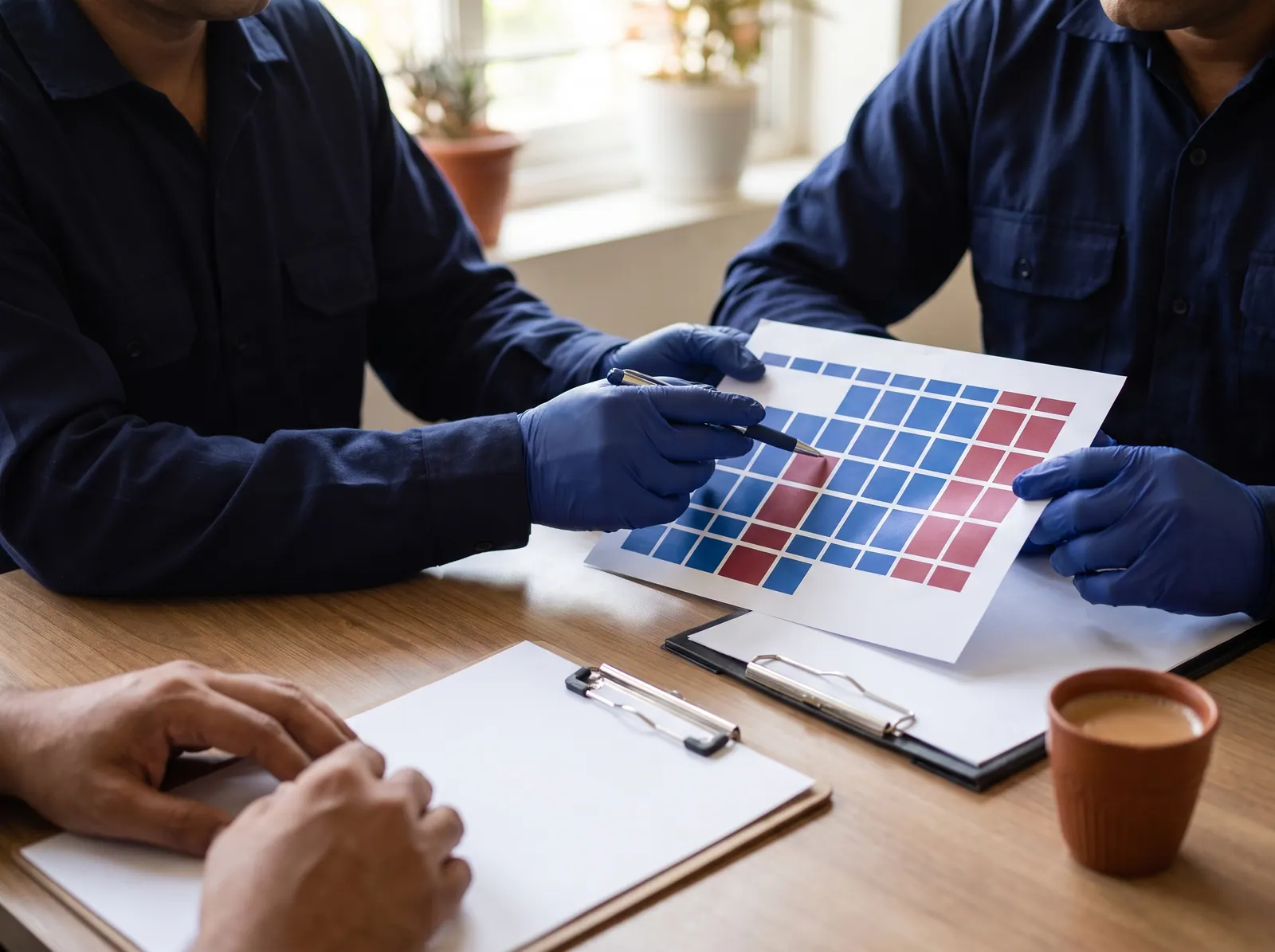
Our approach follows an inspection-first method: the technician checks each room, treats the hiding places found, and gives advice on reducing re-infestation. You can read more about this in how we work. A responsible adult should be present to accompany the technician during the service.
- Keep children and pets out of treated rooms until surfaces are dry or for as long as the technician advises.
- Cover aquariums and move birdcages out of the area.
- Ventilate rooms afterwards, and wash hands after touching treated surfaces.
- If anyone feels unwell or has a skin reaction to bites, please see a doctor.
After treatment and follow-up visits
It is normal to see a few bed bugs for some days after the first visit. Some treatments act over time, and eggs that were protected can hatch later. This is why bed bug treatment includes follow-up visits, scheduled by the technician to deal with newly hatched bugs.
- Keep sleeping in your usual bed so any remaining bed bugs come into contact with treated areas.
- Do not wipe or mop treated edges, skirting and furniture joints until the technician says it is fine.
- Keep clean laundry bagged and take items out only as you need them, checking seams as you go.
- Note where and when you see any bed bugs, and share this at the follow-up visit.
- Do not bring in second-hand furniture or mattresses until the problem is resolved.
For our Goa clients, service reports are shared after visits, and warranties apply to the treated area for specific services as set out in the service agreement. Following post-service instructions matters, as our terms and conditions explain.
Need help with bed bugs?
If you are in Goa, our Goa branch in Chimbel can talk you through preparation for your home, hotel or staff accommodation. In the Hyderabad region, our Shamshabad branch has recently opened — tell us your location and the problem, and we'll confirm whether we can help.
Frequently asked questions
QDo I need to throw away my mattress if it has bed bugs?
Usually not. Mattresses and bed frames can often be inspected and treated, which is why we ask you to leave them in place. If a mattress is badly damaged and you decide to dispose of it, speak to the technician first. Wrap it fully in plastic before moving it, avoid dragging it through shared corridors, and mark it so nobody else takes it home.
QShould I sleep in a different room until the treatment is done?
It is better not to. Bed bugs are drawn to people, so moving to another bedroom or the sofa can carry them into a new area. Keeping to your usual bed also means any surviving bed bugs are more likely to cross treated surfaces. If you have a specific concern, such as a baby or a medical condition, ask the technician for advice.
QHow long should clothes stay in sealed bags?
Keep washed, heat-dried clothes bagged until the technician confirms the treatment programme is complete, which usually means after the follow-up visits. You do not need to live out of bags entirely; take items out as you need them, check seams and folds, and keep the bags closed and off the floor in between.
QWhat if I don't have a hot wash setting or a tumble dryer?
Wash on the warmest setting your machine and fabrics allow, then iron seams, folds and collars thoroughly. A laundry service with hot drying is another option if items are delivered to them in sealed bags. Sun-drying alone is not dependable, particularly in humid weather. Anything you cannot heat-treat should be bagged and kept for the technician to check.
QWhy am I still seeing bed bugs a week after treatment?
This is common and does not necessarily mean the treatment has failed. Some treatments work over several days, and eggs protected in cracks can hatch after the first visit. Note where you see them, avoid DIY sprays, and share the details at the follow-up visit so the technician can focus on those areas.
QIs preparation different in a rented flat, PG or hostel?
The steps are the same, but coordination matters more. Inform the owner or management, because adjoining rooms or flats may also need inspection. Avoid moving belongings into a friend's room or common area before treatment. In hostels and PGs, everyone in an affected room should prepare their own bedding and belongings in the same way.
Last updated 13 October 2026. Information on this page is general guidance; your technician will advise on your specific property after inspection.