Quick answer
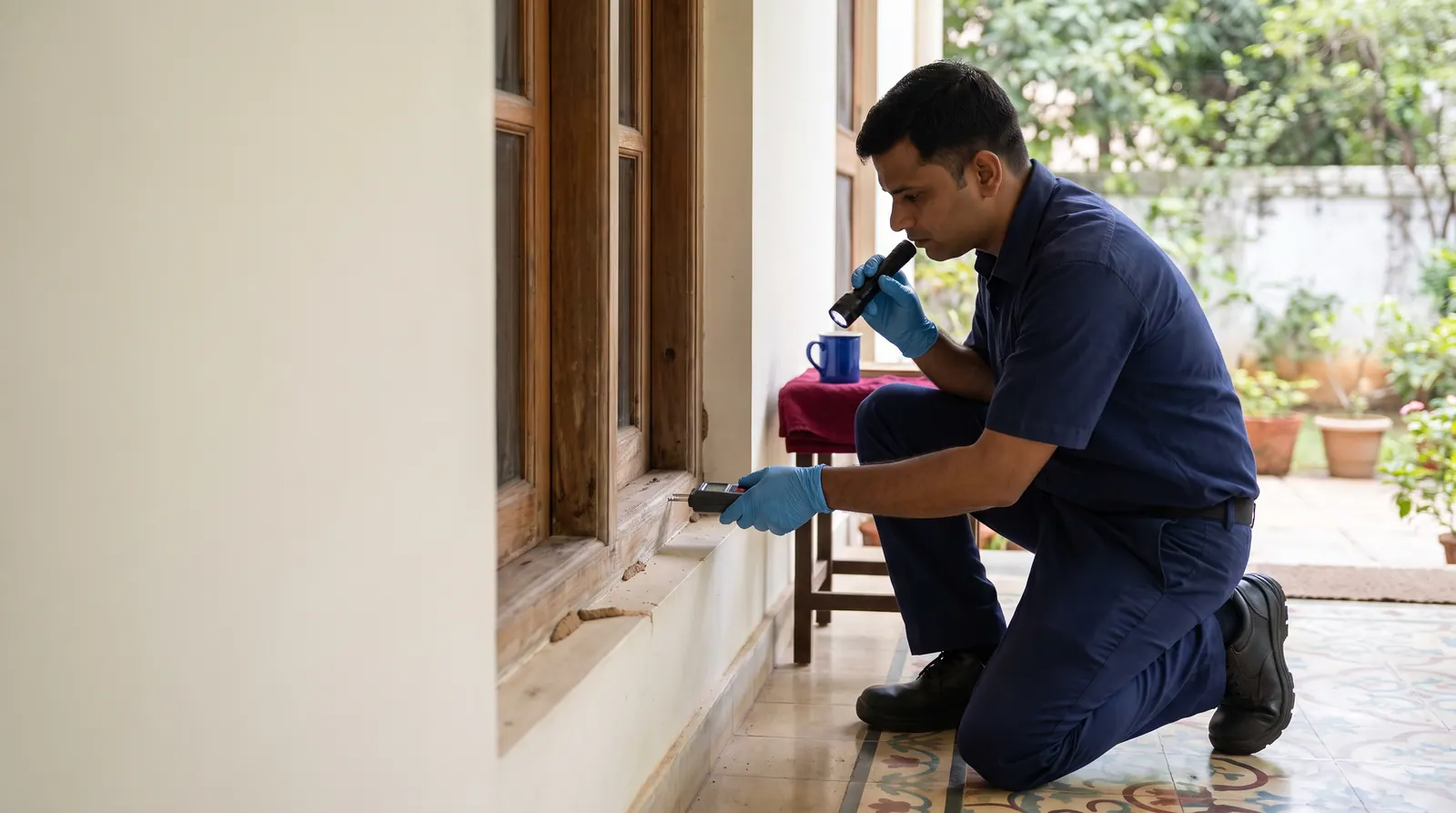
Efficacy Pest Control's Goa branch provides rodent control across Panaji (Panjim), including Altinho, Campal, Miramar, Caranzalem, Dona Paula, Taleigao, St Inez and Ribandar. Each job starts with an inspection for droppings, runways and entry gaps. Tamper-resistant bait stations and traps then go where rodents travel, and you get practical proofing advice. Homes can book a single treatment. Restaurants, hotels and offices can choose an annual contract with documented visits.
Key points
- Rodent control in Panaji is provided by the Efficacy Pest Control Goa branch in Chimbel.
- Covered Panaji localities include Altinho, Campal, Miramar, Caranzalem, Dona Paula, Taleigao, St Inez and Ribandar.
- Treatment is inspection-led: entry-point mapping, tamper-resistant bait stations, traps and proofing advice.
- The Goa branch is a licensed pest control operator (Directorate of Agriculture, Goa) using CIB&RC-registered products.
- Food businesses can get documentation aligned with HACCP and FSSAI audit expectations.
You may be hearing scratching in the ceiling at night, finding droppings behind the fridge or seeing gnawed packets in a store room. If so, you need rodent control that deals with the cause, not just the rats you can see. Our Goa branch in Chimbel provides rodent control in Panaji for flats, independent houses, villas, shops, restaurants, hotels, offices and warehouses.
We use an inspection-led, Integrated Pest Management (IPM) approach. We find out how rats or mice are getting in and what is feeding them. We place tamper-resistant bait stations and traps where they actually travel, and give you clear proofing advice so the problem is less likely to return. You can read how the service works across Goa on our rodent control service page. This page focuses on Panaji.
How does a rodent control visit in Panaji work?
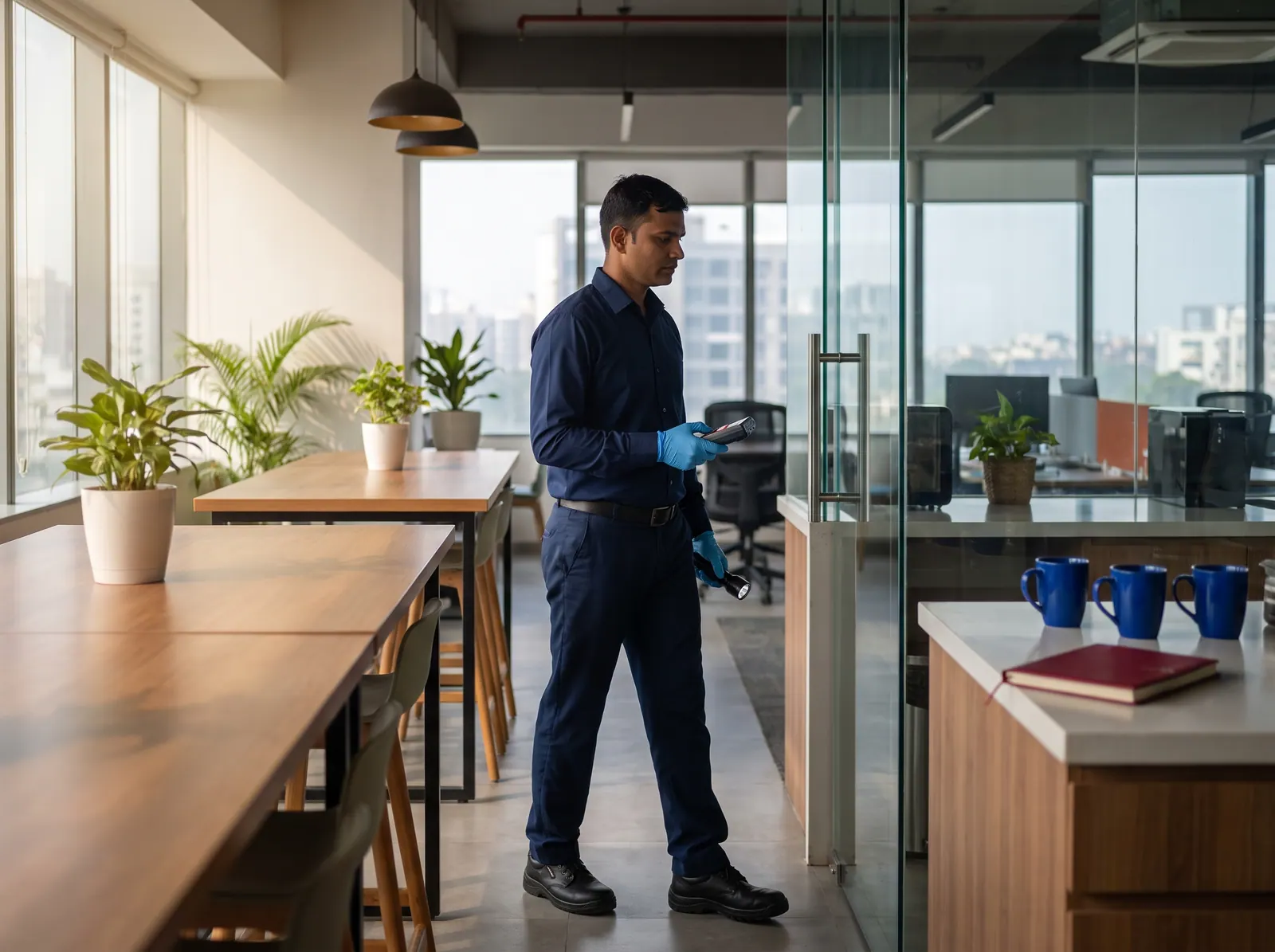
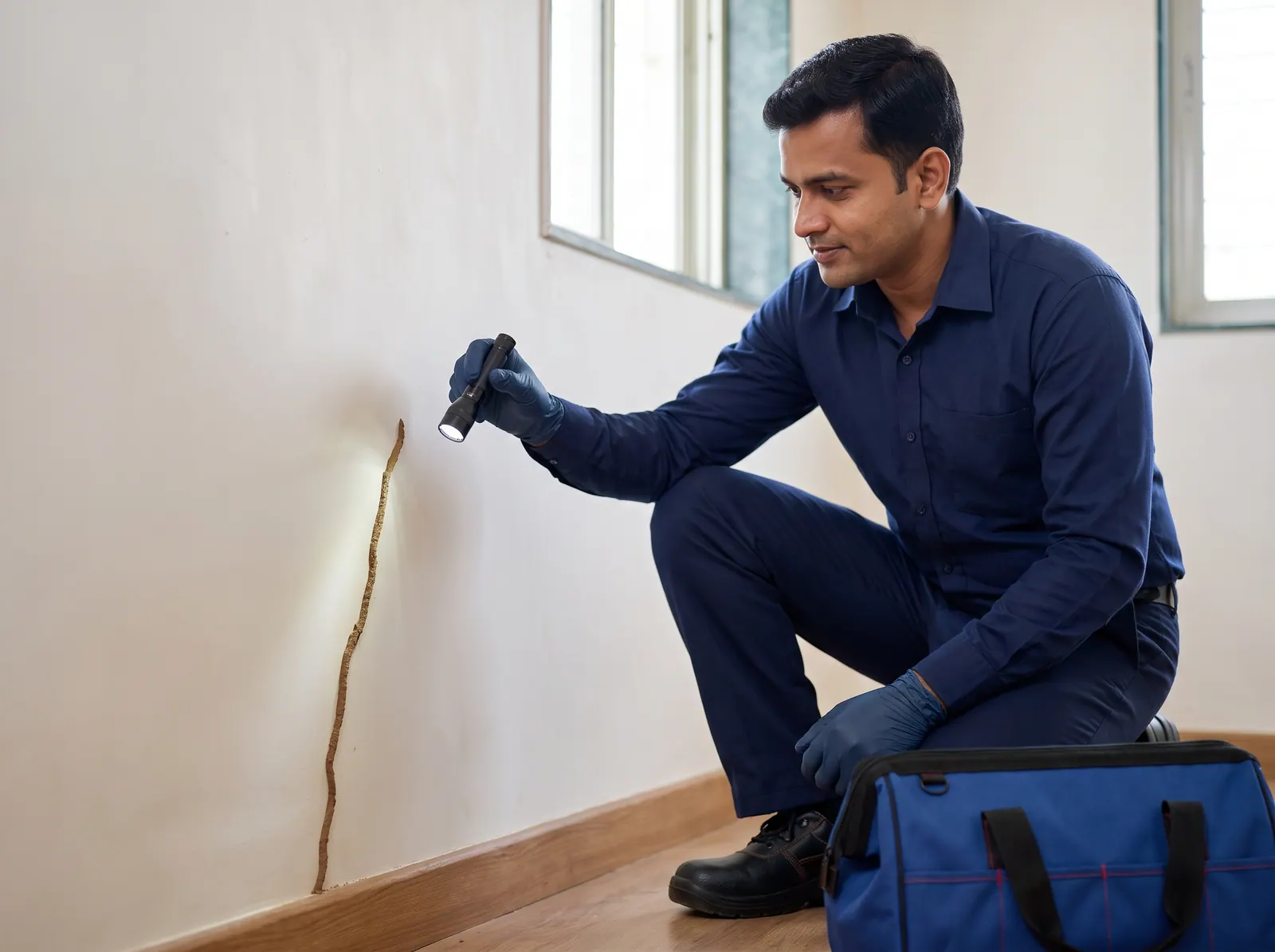
- Inspection. A trained technician checks kitchens, store rooms, lofts and false ceilings, duct shafts, meter rooms, gardens and the building perimeter. They look for droppings, grease marks along walls, gnawing and runways.
- Identifying the rodent. Rats and mice behave differently, and rats that live in roofs behave differently from those that burrow. Knowing which you have decides where stations and traps should go.
- Mapping entry points. We note gaps around pipes and cables, damaged door bottoms, open drain covers, unscreened vents and gaps under roof tiles. This becomes your proofing list.
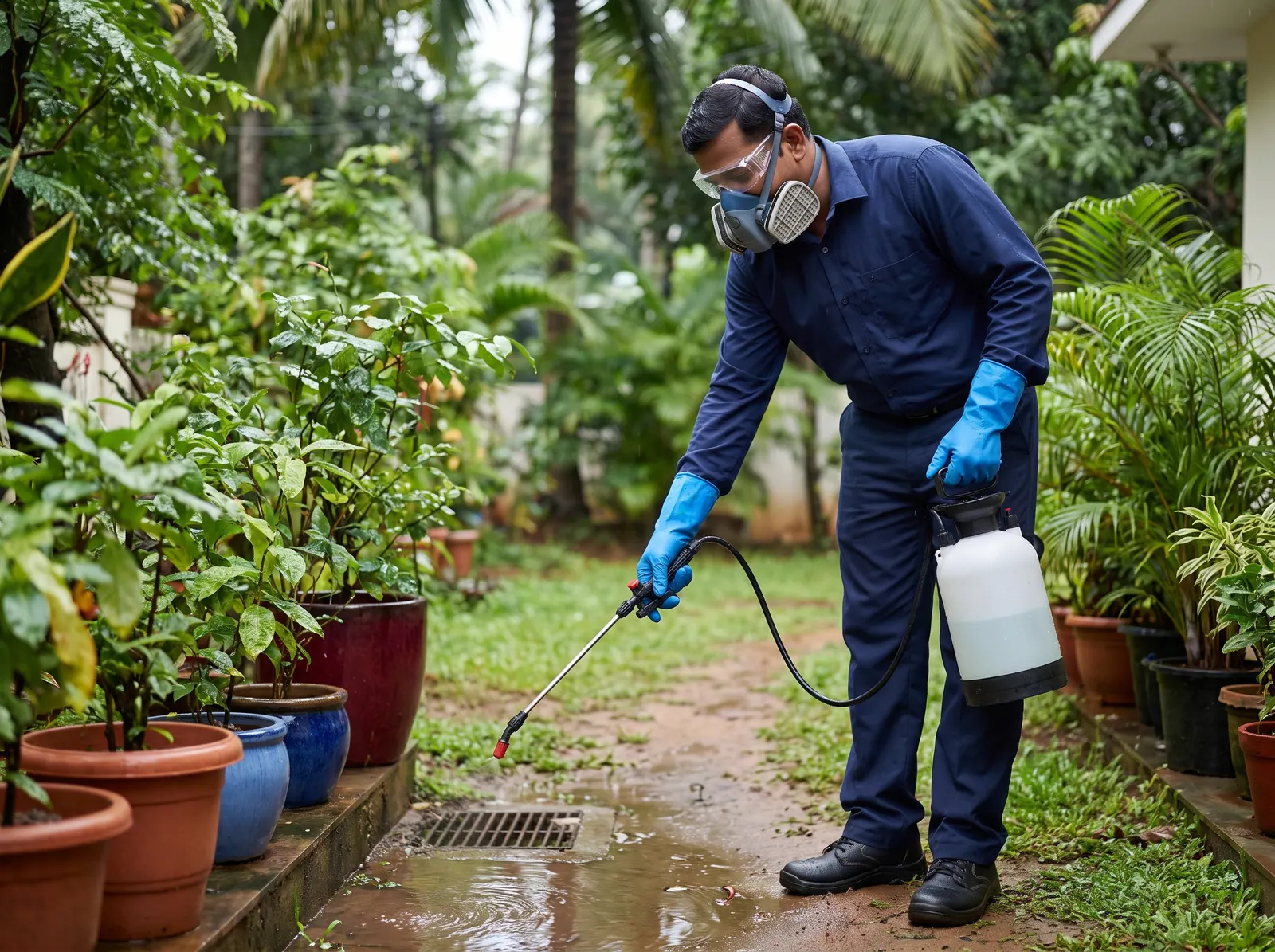
- Bait stations and traps. Bait is kept inside lockable, tamper-resistant stations placed along runways, away from children, pets and food. Traps are used where baiting is not suitable, for example near food handling or inside living spaces.
- Proofing advice. We explain which gaps to close and how. Typical fixes are mesh on vents, door sweeps, sealed pipe entries and closed drain covers. Your own maintenance team or contractor can then carry out the work.
- Service report. After each visit you receive a service report, plus WhatsApp updates if you want them.
Where do rodents get into Panaji buildings?
Panaji has many different building types close together, and each has its own weak spots. These are the areas we pay particular attention to during an inspection.
- Older houses with tiled roofs, such as those on the slopes of Altinho and in the older parts of the city. Rats can enter through gaps under the tiles and along the eaves, then settle in the space above wooden or false ceilings.
- Apartment buildings in areas such as Taleigao, St Inez and Caranzalem. Shared duct shafts, drainage stacks, basement parking and garbage collection points let rodents move between floors and flats.
- Riverside and market areas along the Mandovi, including Campal and Ribandar. Drains, storm-water channels and goods stored in shops and godowns provide both shelter and food.
- Restaurants and hotels in Miramar, Dona Paula and the city centre. Kitchens, dry stores, waste areas and service corridors need close attention, especially where deliveries arrive.
- Gardens and compound walls. Dense planting, stacked materials and coconut or fruit trees close to the building give rats cover and a route up onto the roof.
Sharing a wall or a common drain with neighbours also matters. If rodents are coming from next door or a common area, treating your own flat helps. Closing entry points and involving the housing society works better. Our page on residential pest control in Panaji explains how we work with flats and housing societies.
Rats or mice: what are you dealing with?
You do not need to see the animal to get a fair idea. These signs help, and our technician will confirm on site.
| Sign | Mice | Rats |
|---|---|---|
| Droppings | Small and thin, a few millimetres long | Noticeably larger, often over a centimetre long |
| Gnawing | Small, neat holes in packets and cardboard | Larger, rough-edged holes; can damage wood, plastic pipes and cable insulation |
| Where they hide | Cupboards, behind appliances, inside furniture and wall voids | Roof spaces, false ceilings, drains, and burrows in gardens and along walls |
| Noises | Light scratching | Heavier running, scratching or gnawing in ceilings at night |
| Rub marks | Rarely obvious | Dark, greasy smudges along regular routes, pipes and beam edges |
If you are unsure, take a photo of droppings or damage without touching them, and share it when you contact us. It helps the technician prepare for the visit.
Why does the monsoon matter for rodents in Panaji?
Goa's south-west monsoon is very heavy, and drains in Panaji's low-lying areas near the river and the coast fill quickly. When burrows and drains flood, rats look for dry shelter. That is often a roof space, store room or basement. The humid weather also makes it harder to keep stored food and waste dry and sealed.
Rat urine can carry leptospirosis, and contact with contaminated water is a known route of infection. When cleaning flooded or soiled areas, wear gloves and footwear. See a doctor if anyone feels unwell after contact with floodwater or rodent waste.
The weeks before the monsoon are a sensible time to get an inspection, close gaps and clear clutter, so you are not starting from scratch once heavy rain begins. Our guide to rodent-proofing coastal properties in Goa covers proofing materials and checks in more detail.
Rodent control for homes and for businesses
Homes, flats and villas
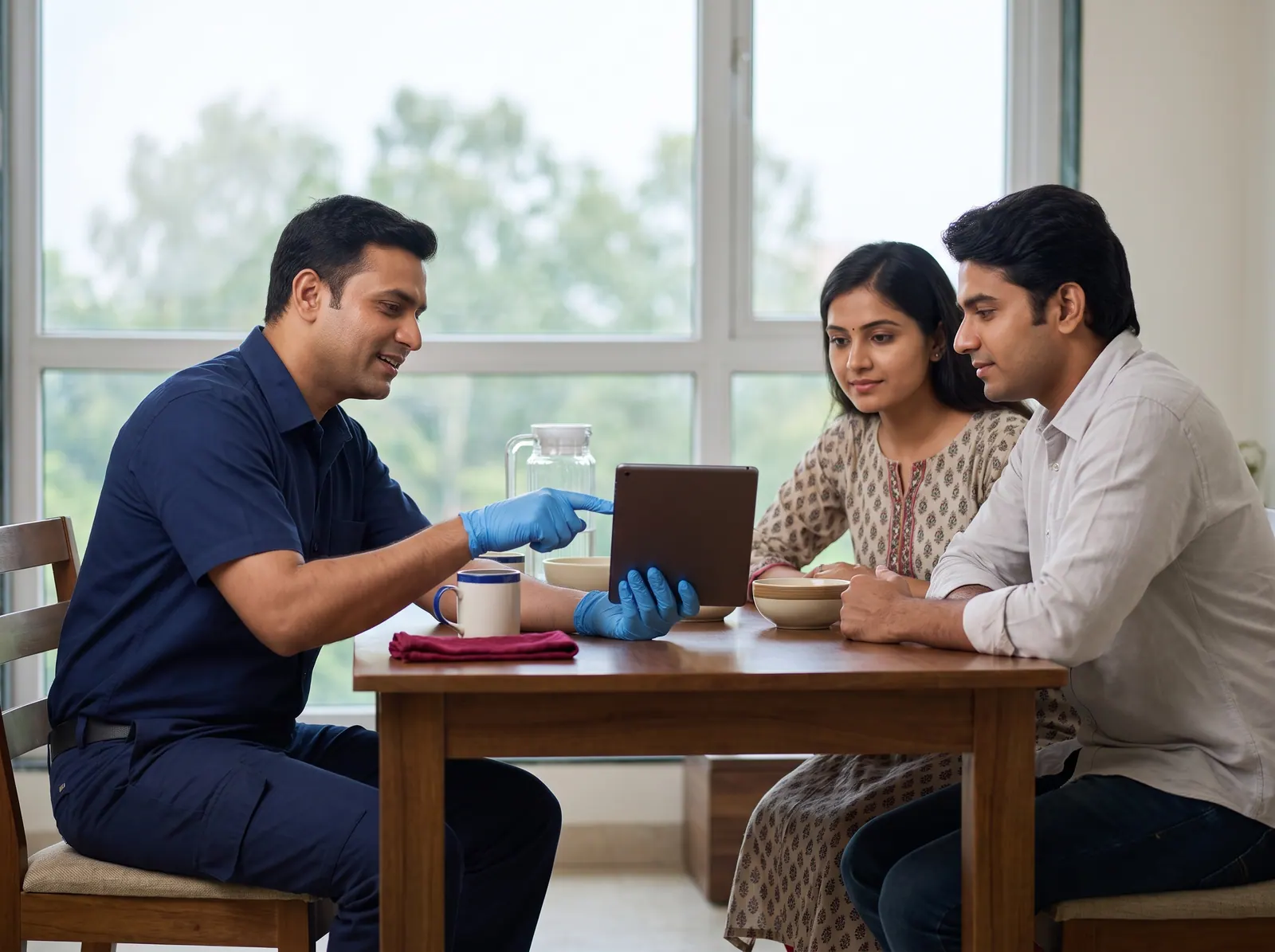
For most households, the starting point is a single treatment based on the inspection. That means stations placed away from living areas, traps where needed, and a proofing list. We show you where every station is, what not to touch, and what to watch for in the weeks after.
Restaurants, hotels, offices and warehouses
Businesses usually need ongoing control rather than a one-off visit. Under an Annual Maintenance Contract, we carry out scheduled visits, check and service each bait station, and record activity so trends are easy to see. For food businesses, we provide documentation aligned with HACCP and FSSAI audit expectations. This supports the pest-control part of the FSSAI Schedule 4 hygiene requirements.
Hotels face a particular challenge: guest areas must stay discreet, while kitchens and stores need intensive monitoring. Our guide to rodent control in hotel guest areas versus back of house explains how we approach both. For programmes that cover cockroaches, flies and other pests alongside rodents, see commercial pest control in Panaji.
One of our Goa clients, Mr Sunil Ambokar (Purchase Manager), has published feedback on our work. He mentions our rodent, cockroach and lizard treatments, along with bed bug treatment in their staff accommodation.
How do we keep your family, pets and staff safe?
- Bait stays inside locked, tamper-resistant stations. Stations are fixed in position where possible and kept away from children, pet areas and food preparation surfaces.
- Our Goa branch is a licensed pest control operator (Directorate of Agriculture, Goa). We use CIB&RC-registered products, applied according to label directions.
- We maintain Material Safety Data Sheets for the products we use.
- Please do not open, move or shake stations. If a station is damaged or has been moved, let us know.
- Do not handle dead rodents or droppings with bare hands. Wear gloves, bag them, clean the area and wash your hands thoroughly afterwards.
- If anyone is bitten, or a child may have reached bait, see a doctor straight away. If a pet may have reached bait, see a vet. Keep your service report handy so you can tell them what was used.
Which parts of Panaji do we cover?
Our Goa branch provides rodent control in Panaji and these localities:
- Altinho
- Campal
- Miramar
- Caranzalem
- Dona Paula
- Taleigao
- St Inez
- Ribandar
If your property is elsewhere in or near Panaji, tell us the exact location and we will confirm whether we can help. You can also see the other services we offer in the city on our Panaji pest control page.
What affects the cost of rodent control?
We do not quote a fixed price without knowing the site, because the work varies a lot. The quotation depends on:
- the size and layout of the property;
- how much rodent activity the inspection finds;
- the type of site, such as a flat, villa, restaurant, hotel or warehouse;
- the number of entry points, and whether roof or ceiling spaces need attention;
- whether you need a single treatment or scheduled visits under an annual contract.
You receive a quotation before work begins, and payment is as per the quotation or invoice. We accept cash, UPI, card, net banking and bank transfer. For specific services, a warranty applies to the treated area, as set out in your service agreement.
To arrange rodent control in Panaji, contact our Goa branch. Tell us your locality, the type of property and what you have noticed, and we will arrange an inspection and recommend a plan.
Frequently asked questions
QCan we stay at home during rodent treatment?
In most cases, yes. Placing bait stations and traps does not usually require you to leave home. If a particular step needs a room kept clear for a while, the technician will tell you beforehand. Keep children and pets away from stations and any treated area until advised. Our service terms also ask that a family member or representative is present while the technician works.
QHow soon will we notice fewer rats or mice?
It depends on the species, how many there are and how quickly entry points are closed. Some activity can drop within days, while an established problem in a roof space or drain can take longer. Rodents are often cautious of new objects, so they may avoid stations at first. The technician will explain what to expect and what to watch for after the visit.
QWill there be a smell if a rat dies inside the ceiling?
It can happen. A rodent that has taken bait may die somewhere hard to reach, such as a false ceiling or wall void, and the odour usually fades after some time. To reduce this risk, we consider where rodents are living when deciding between baits and traps. We prefer traps in some indoor spaces. Tell us if you notice an odour so we can help locate the source.
QWhat happens if rodents come back after treatment?
For specific services, a warranty applies to the treated area, as set out in your service agreement. It does not cover rodents entering from a neighbour's property or from outside, or problems caused by structural changes or not following the post-service instructions. That is why closing entry points matters. Ask the technician how to stop rodents coming in from outside your property.
QDo you carry out the rodent-proofing work yourselves?
We inspect and mark the entry points, explain what each gap needs and suggest suitable materials, such as vent mesh, door sweeps or sealing around pipes. In most cases, your own maintenance staff, society or contractor carries out the physical work. If you are unsure about a particular gap, ask the technician to walk through the proofing list with whoever will do the repairs.
QCan you provide records for our Panaji restaurant's food safety audit?
Yes. For food businesses, our Goa branch provides service reports and documentation aligned with HACCP and FSSAI audit expectations. Restaurants on an Annual Maintenance Contract receive a record after each scheduled visit, showing what was checked and what was found. Keep these together with your other hygiene records so you can show them during inspections or client audits.
QWhat should we do before the technician arrives?
Clear access to the kitchen, store rooms, lofts and any area where you have seen signs. Put food items away and keep pets secured. Make a note of where you have heard or seen rodents, as this saves inspection time. If you need to reschedule, please let us know at least 48 hours before the visit, as a late-cancellation fee may apply.
Last updated 13 October 2026. Information on this page is general guidance; your technician will advise on your specific property after inspection.