Quick answer
Warehouses and logistics parks near Shamshabad airport face rodent pressure from surrounding open land, constant goods movement and loading bays left open. Effective warehouse rodent control works from the outside in: a clear, maintained perimeter with secured bait stations, well-sealed docks and doors, inspection of every incoming consignment, and indoor trapping in storage areas. A numbered station map and regular written reports show whether the programme is working and support food-safety audits.
Key points
- Logistics sites near open land face rodent pressure from surrounding fields, drains and construction sites.
- Loading docks, worn door seals and unsealed cable or pipe entries are common rodent entry points.
- Checking every incoming consignment and quarantining suspect goods helps stop rodents being carried into the store.
- Numbered station maps, dated service reports and trend records show whether a programme is working and support food-safety audits.
- Rodenticides should be CIB&RC-registered and applied by a licensed operator in secured, tamper-resistant stations.
The airport at Shamshabad has drawn warehouses, cold-storage facilities and logistics parks to the surrounding area, many of them built beside open or agricultural land. For anyone responsible for these sites, warehouse rodent control around Shamshabad is a practical, everyday concern. Rats and mice damage stock, contaminate food and packaging, chew wiring and insulation, and can put a food business's audits at risk.
This guide explains why logistics sites attract rodents and how a well-run programme keeps them out. It focuses on four areas: the perimeter and loading docks, goods-in inspection, the inside of the store, and the monitoring and reports that show whether the programme is working.
Why do airport-area logistics sites attract rodents?
A large warehouse offers rodents what they need most: food, shelter, warmth and quiet corners. Sites on the edge of open land feel this pressure more, because rodents already live in the surrounding fields, scrub and drains.
- Open land next door. Vacant plots, farmland and construction sites support rodent populations that can move towards buildings, especially when their burrows are disturbed or flooded.
- Constant goods movement. Trucks, containers, pallets and returned goods arrive from many places. A rodent or nest hidden in a consignment can be carried straight into the store.
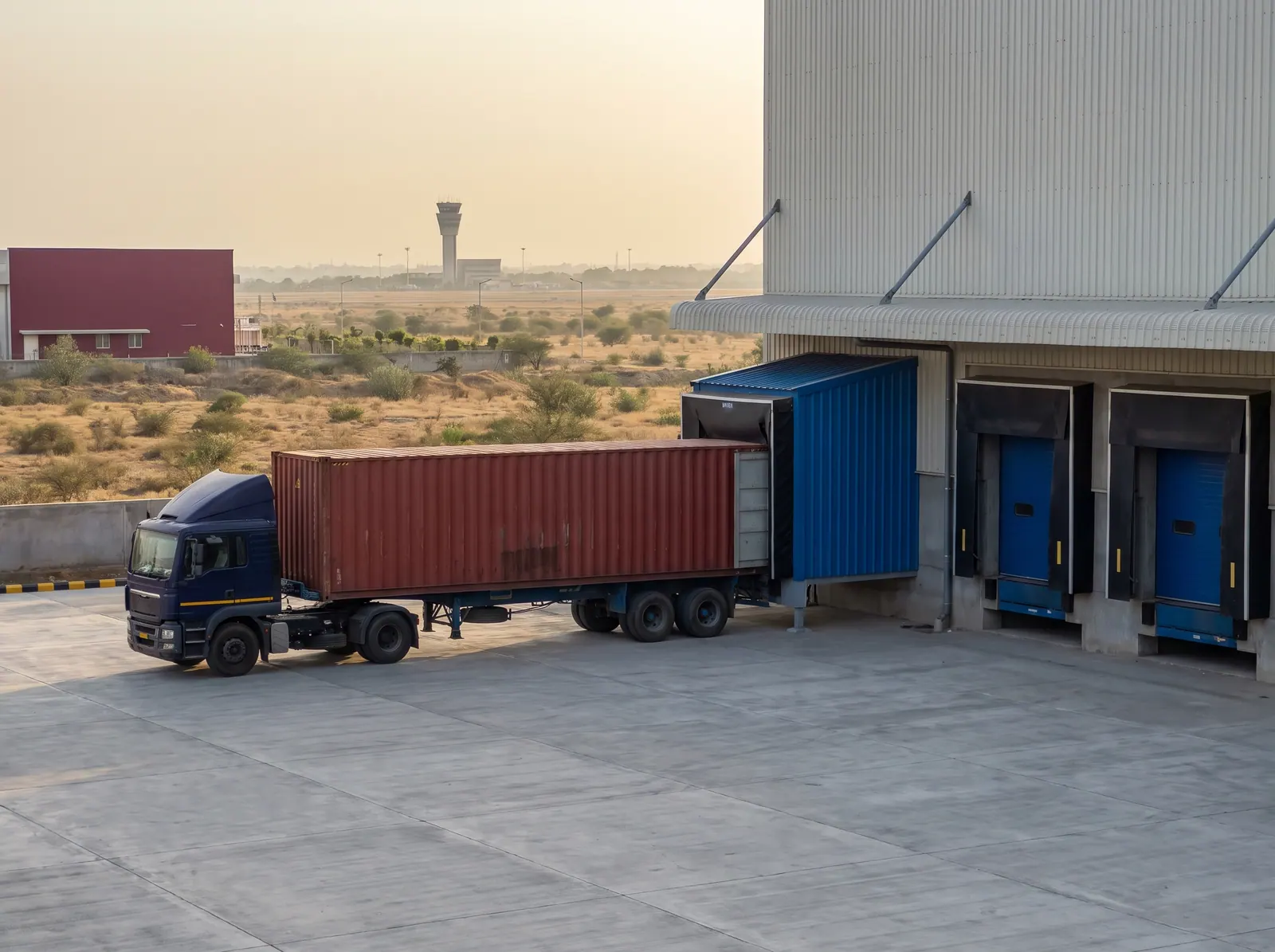
- Loading bays. Dock doors open many times a day, often for long periods. Gaps around dock levellers, worn door seals and unsealed cable entries give easy access.
- Spillage and waste. Torn sacks, broken cartons, canteen waste and skips near the building provide food.
- Warmth and cover. Compressor rooms, cold-room insulation panels, false ceilings, cable trays and long-undisturbed stock make good nesting sites.
Commercial sites in India usually deal with a mix of burrowing rats outdoors, climbing rats along roofs and cable runs, and house mice inside stock. The species matters, because burrowers, climbers and mice need different placement of traps and stations. A proper inspection identifies which are present.
Does the season make a difference?
Yes. On the Deccan plateau, the monsoon can flood burrows in open land and drive rodents towards higher, drier ground and buildings. The hot, dry summer can draw them towards water sources such as leaking taps, condensate lines and drains. Our guide to monsoon pests in Hyderabad covers what changes from June to September, and it is sensible to check perimeter and dock defences before the rains begin.
How should the perimeter and loading docks be managed?
The most effective rodent programmes stop animals before they reach the building. Think of the site in rings: the boundary, the outside walls, the doors and docks, and finally the inside.
The perimeter
- Keep a clear strip along external walls, free of weeds, stacked pallets, scrap and stored materials, so there is no cover for runs or burrows.
- Inspect boundary walls and fencing for burrows and gaps, and repair them.
- Keep waste skips on hard standing, with lids closed, and away from doors.
- Fit gratings to drains and keep them intact.
- Place tamper-resistant bait stations along the external walls and boundary, fixed down and numbered, so they cannot be moved, opened by staff or reached by children, pets and non-target animals.
Neighbouring land use matters too. If your site sits near farms or animal sheds, our guide to fly and rodent control around poultry and livestock sheds explains the pressure those properties face.
Loading bays and doors
- Check dock seals, dock shelters and leveller pits for gaps; damaged rubber seals are a common entry point.
- Fit brush strips or rubber seals to the bottom of shutters and personnel doors.
- Keep dock doors closed when not loading; avoid propping them open for ventilation.
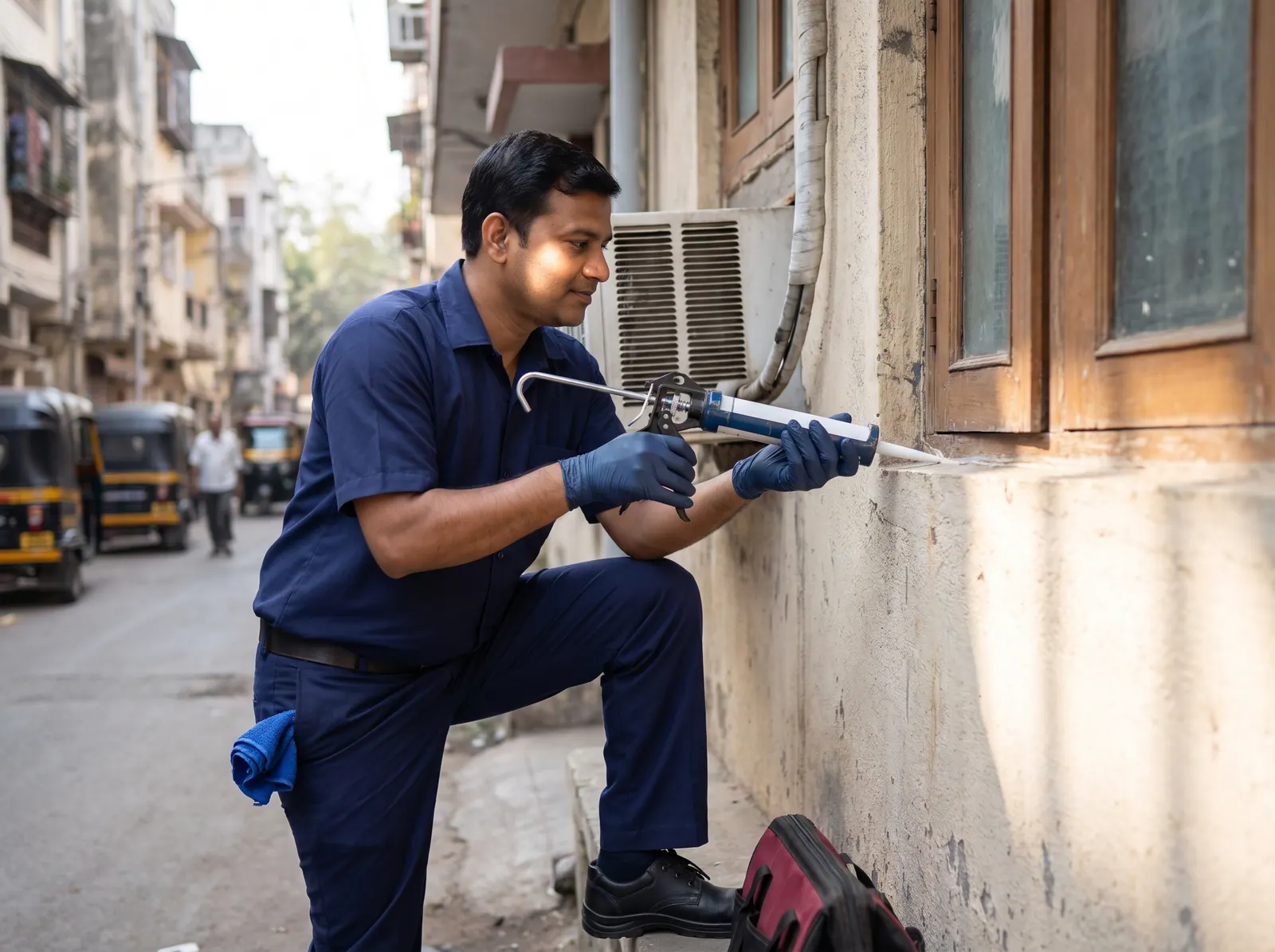
- Seal gaps around pipes, cables and ducts where they pass through walls. A mouse can squeeze through a gap roughly the width of a pencil, and a young rat through one not much larger.
- Sweep dock areas regularly so spilled product does not build up under levellers.
Many of these proofing principles apply to any building. Our guide to rodent-proofing houses and villas explains them in more detail for smaller properties.
Inside the store
- Leave an inspection gap between racking or stacked stock and the walls, so runs and droppings can be seen.
- Rotate stock and avoid long-undisturbed corners.
- Clean up spillage the same day and repack damaged goods promptly.
- In cold chains, check behind and above insulated panels, around compressors and along condensate drains.
- Inside food storage areas, providers commonly rely on traps and monitoring devices rather than toxic bait, because a poisoned rodent may die out of reach and contaminate stock.
Goods-in inspection: what should staff check?
Every consignment is a possible way in. A short, routine check at goods-in costs little and can prevent a problem spreading through the store.
- Inspect the vehicle or container as it is opened: look for droppings, gnawed material, nesting material and a musty smell.
- Check the outer packaging for gnaw marks, holes, urine staining or grease marks along edges.
- Look at pallets, especially wooden ones, for damage and debris between boards.
- Hold suspect goods apart in a marked quarantine area rather than putting them into storage.
- Record what you find and inform the supplier or transporter, so the source can be dealt with.
- Brief staff on what signs to look for, and make it easy for them to report sightings.
Returned goods and long-stored items moved between sites deserve the same attention as new deliveries.
How do monitoring and reports work?
A rodent programme is only as good as the evidence behind it. Monitoring tells you where activity is, whether it is rising or falling, and whether corrective actions are working. For food businesses, written records are also part of meeting FSSAI Schedule 4 hygiene requirements and HACCP-based food-safety systems.
| Zone | Typical devices | What is usually recorded |
|---|---|---|
| Boundary and external walls | Secured, numbered bait stations | Bait taken, station condition, burrows found |
| Docks and doors | Traps or monitoring stations near entry points | Captures, signs of activity, seal or door defects |
| Storage and food areas | Mechanical traps and monitoring devices | Captures, droppings, damaged stock |
| Plant rooms, ceilings, cable runs | Traps placed along runs | Activity signs, gnawed cables or insulation |
A good monitoring system includes:
- A site plan showing every numbered station and trap.
- A service report after each visit, noting findings, actions taken and products used.
- Proofing and hygiene recommendations, with a note of whether earlier ones have been completed.
- Trend summaries that show activity over time by zone.
- Safety information for the products used, kept on file.
How can rodent risks affect people and operations?
Beyond damaged stock and rejected loads, rodents chew cables, which can cause equipment faults and fire risk, and their droppings and urine contaminate surfaces and packaging. Rat urine is associated with leptospirosis, so staff should wear gloves when handling contaminated goods and wash hands afterwards. Anyone who feels unwell after possible exposure, or who is bitten, should see a doctor.
Rodenticides are regulated pesticides. Products should be registered with CIB&RC under the Insecticides Act, 1968, and applied by a licensed pest control operator following label directions. Site staff should not open stations, move bait or add their own products.
What should you look for in a pest-management provider?
- A licensed pest control operator using CIB&RC-registered products.
- A site survey before a programme is proposed, rather than a fixed package.
- An Integrated Pest Management approach: inspection, sanitation and proofing advice, then targeted treatment.
- A station map, regular written reports and documentation suitable for your audits.
- Safety data sheets for every product used.
- Clear advice on what your own team must do between visits.
These are the practices Efficacy Pest Control has built at its established Goa operation. In Goa, we work as a licensed pest control operator (Directorate of Agriculture, Goa) using CIB&RC-registered products, share service reports after visits, and prepare documentation for food businesses aligned with HACCP and FSSAI audit expectations. Across the company, we follow an IPM approach and maintain Material Safety Data Sheets for the products we use. You can read how our rodent control approach combines inspection, bait stations, traps and proofing advice.
Talking to our Shamshabad branch
Our Shamshabad branch has recently opened — tell us your location and the problem, and we'll confirm whether we can help. It is useful to mention the type of site, its approximate size, what is stored, whether you handle food or cold-chain goods, and what signs of rodents you have seen.
You can find the branch details on our Shamshabad, Rangareddy branch page, and answers to common questions in the Hyderabad branch FAQ.
Frequently asked questions
QShould rat poison be used inside a food warehouse?
In areas where food is stored or handled, providers commonly use mechanical traps and monitoring devices rather than toxic bait. A poisoned rodent can die inside racking, ceilings or stock, causing smells and contamination. Toxic bait is more usually kept in secured, tamper-resistant stations outside the building and along the perimeter. Your provider and your food-safety team should agree the approach, and it should be shown on the site plan and in service records.
QHow many bait stations or traps does a warehouse need?
There is no single number that suits every site. Placement depends on the building's size and layout, the number of doors and docks, the surrounding land, what is stored and the level of activity found during inspection. A survey should come first, followed by a numbered site plan. Stations and traps can then be added, moved or reduced as monitoring shows where rodents are actually active.
QWhy do rodent problems often get worse around the monsoon?
Heavy rain can flood burrows in open land, drains and fields, pushing rodents towards higher, drier ground, including buildings. Wet weather also damages packaging and creates spillage at docks. Checking door seals, drain gratings, perimeter stations and the clear strip around external walls before the rains begin is a sensible step for sites near open land.
QCan rodents damage cold-storage facilities?
Yes. Rodents can gnaw through insulation panels, door seals, cables and drain lines, and the warmth around compressors and plant rooms attracts them. Damage to insulation and seals can affect temperature control as well as hygiene. Regular checks behind and above panels, around condensate drains and along cable runs help catch activity early.
QWhat records will an auditor expect to see for rodent control?
Expectations vary by scheme and auditor, but food businesses are generally asked to show a site plan of stations and traps, dated service reports, findings and corrective actions, details of products used with safety data sheets, and evidence that the pest control operator is licensed. Records should show trends over time rather than isolated visits. Check your specific audit standard with your food-safety lead.
QCan Efficacy Pest Control's Shamshabad branch take on our warehouse?
Our Shamshabad branch has recently opened, and coverage is being confirmed area by area. Tell us where your site is, what kind of facility it is and what rodent signs you have seen, and we'll confirm whether we can help. Branch details are shown on our Hyderabad branch page.
Last updated 13 October 2026. Information on this page is general guidance; your technician will advise on your specific property after inspection.