Quick answer
To prepare for cockroach gel treatment, stop using household insect sprays a few days beforehand, clean grease and crumbs from the kitchen, store food in sealed containers, and clear the cabinets under sinks so cracks and hinges can be reached. After treatment, do not wipe away the small gel dots or spray anything over them. Activity often rises briefly, and a clear drop is usually seen within one to a few weeks.
Key points
- Gel bait works because cockroaches choose to eat it, so removing competing food and grease improves results.
- Household insect sprays near gel points can contaminate the bait and make cockroaches avoid it.
- Gel dots should not be wiped, washed or scraped off after treatment.
- A brief rise in visible cockroaches in the first few days is common; a noticeable drop usually follows within one to two weeks.
- Bait does not affect egg cases, so heavier infestations may need a follow-up visit.
Gel baiting is one of the most effective ways to deal with cockroaches in kitchens and bathrooms. However, how well it works depends a lot on what happens in the days before and after the visit. If you want to prepare for cockroach treatment properly, this guide covers it step by step. It explains what to do before the technician arrives, what happens during the visit, and the two mistakes that most often undo good work afterwards.
If you are still deciding which method suits your home, our guide on gel bait or spray for cockroaches compares the two.
Why preparation matters for gel baiting
Cockroach gel is a food-based bait. It is placed in small dots inside cracks, hinges and gaps where cockroaches hide and travel. Cockroaches eat it and return to their hiding places. With many baits, the active ingredient then reaches others in the group through droppings and contact.
Gel works because cockroaches choose to eat it. Anything that gives them a better meal, or makes them avoid the bait, slows the result. Spilled food, grease and open bins compete with the bait. Household sprays can contaminate it or drive cockroaches away from the treated spots. Good preparation removes that competition and lets the technician reach the places that matter.
Before the visit: what should you do?
Two to three days before
- Stop using household insect sprays, powders and chalk. Leftover residue near hiding spots can make cockroaches avoid the gel. Tell the technician what you have used and where.
- Note where you see cockroaches. Include the time of day, and whether they are small (nymphs) or large. This helps the technician find harbourage quickly.
- Fix dripping taps and leaks where you can. Cockroaches need water. A leaking pipe under the sink keeps them close to it.
The day before: kitchen checklist
- Wipe away grease from the stove, the hob surround, the chimney filter area and the backsplash.
- Sweep and mop, paying attention to the gaps under and beside the fridge, cooker and cabinets.
- Store dry foods, spices, fruit and pet food in sealed containers, or move them out of the kitchen.
- Empty the cabinet under the sink and the drawers nearest the stove. Hinges, corners and drawer runners are common gel points.
- Clear the countertops so the technician can reach wall joints and the gaps behind appliances.
- Empty and close the kitchen bin, and take garbage out the night before.
- If possible, leave a little space to pull the fridge or microwave forward. The warm motor areas often hide cockroaches.
The day before: bathroom checklist
- Clear the area under the washbasin and any vanity cabinet.
- Make floor drain covers and any access panel to shafts or ducts reachable.
- Remove soaps, cosmetics and toiletries from shelves near cracks or pipe entries.
- Dry the floor and wipe away standing water around the drain if you can.
Things to tell the technician
- Whether infants, elderly family members, anyone pregnant or anyone with asthma or allergies lives in the home.
- Whether you have pets, especially cats, dogs or birds that roam the kitchen.
- Any food-preparation surfaces or appliances you want kept completely clear.
During the visit: what to expect
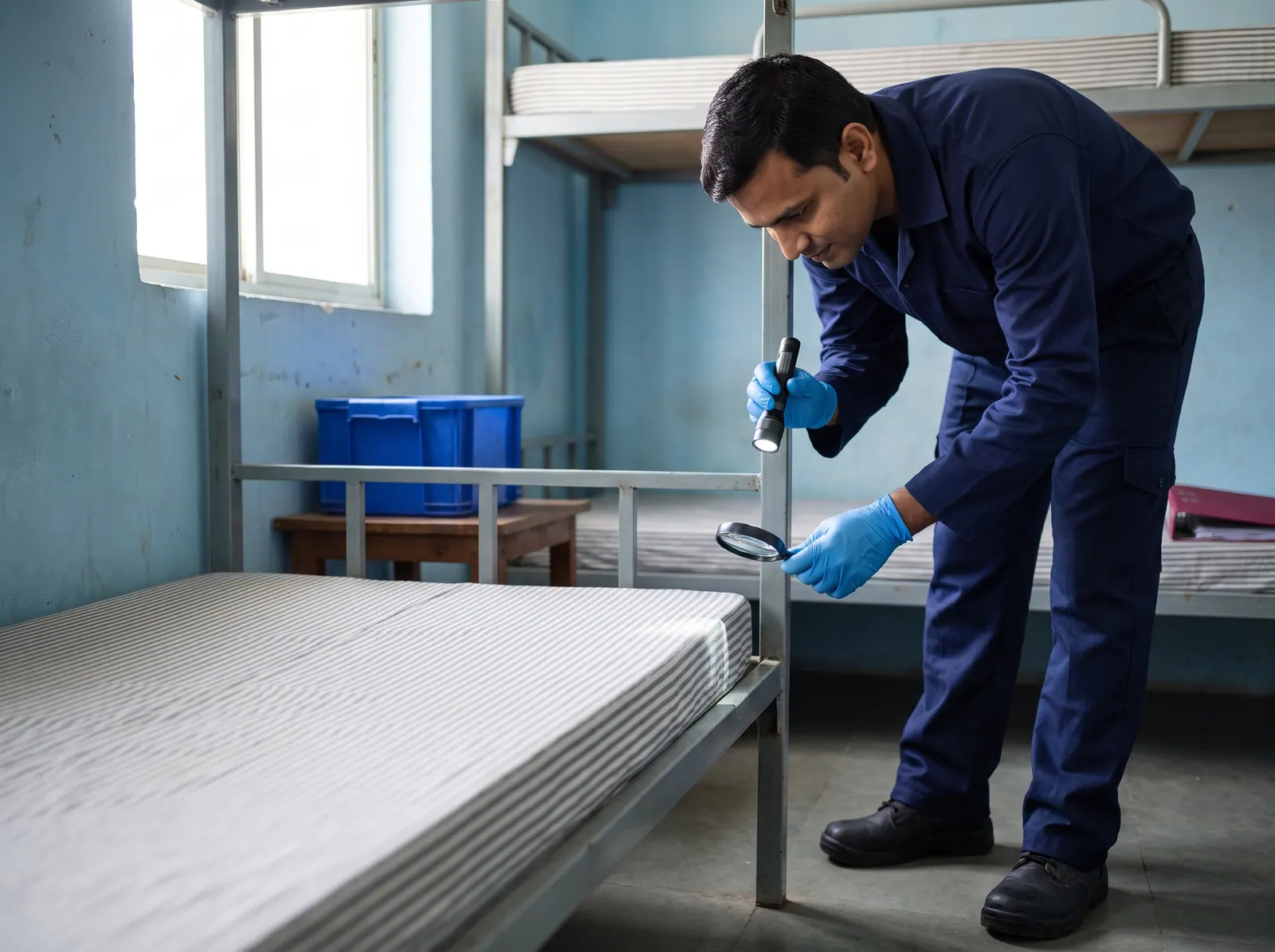
The visit usually starts with a short inspection of the kitchen, bathrooms, drains and any store or utility areas. The technician looks for droppings, egg cases, live cockroaches and the gaps they use. Then they place small dots of gel in those spots. These are typically inside hinges, behind appliances, along pipe entries and in cracks, out of easy reach. Our inspection, treatment and follow-up process explains the general approach.
A responsible adult should be present to show the technician problem areas and open locked spaces. Keep children and pets in another room while the work is done. Gel-only treatment does not usually need you to leave the home. If the technician uses another treatment as well, such as for drains, follow their advice on keeping away from those areas and ventilating.
Ask the technician to point out where they have placed gel. That way you know which spots to leave alone when you clean.
After treatment: do not wipe the bait, do not spray
This is where most gel treatments succeed or fail. The two most important rules are simple.
- Do not wipe, wash or scrape off the gel dots. They may look like small brown or clear marks. They are meant to stay in place until cockroaches eat them.
- Do not spray any insecticide near the bait. This includes aerosol cans, and you should not use strong-smelling disinfectants or bleach directly on the gel points. These can contaminate the bait and make cockroaches avoid it.
| Do | Avoid |
|---|---|
| Clean counters, floors and the stove daily, working around the gel spots | Wiping hinges, cracks and joints where gel was placed |
| Keep food sealed and wash dishes the same night | Leaving dishes, crumbs or pet food out overnight |
| Empty bins daily and keep lids closed | Spraying household insecticides or setting off fumigant cans |
| Keep sinks and floors as dry as possible at night | Putting out other baits, powders or chalk at the same time |
| Keep children and pets away from treated spots and wash hands after cleaning near them | Pouring strong chemicals or bleach into drains that were treated, unless the technician says it is fine |
For more general habits that help any treatment, see our dos and don'ts of pest control.
On safety, follow the instructions given at the visit. Keep children and pets away from treated areas as advised. Wash your hands after cleaning around bait points. If anyone in the home feels unwell, or a pet appears to have eaten bait, see a doctor or vet promptly. You can ask for the product's safety information; we maintain Material Safety Data Sheets for the products we use.
When should you expect results?
Gel bait is not an instant knock-down spray. It works through the colony over time, so results build gradually. The exact pace depends on how heavy the infestation is, the cockroach species, and how well the kitchen is kept afterwards.
| Time after treatment | What is common |
|---|---|
| First few days | You may see more cockroaches, sometimes in daylight. Affected cockroaches often come out of hiding. This is usually a sign the bait is being eaten. |
| About one to two weeks | A noticeable drop in activity in most homes, with fewer sightings at night. |
| A few weeks | Heavier infestations, or ones with many egg cases, may still show some young cockroaches. This is where a follow-up visit, if advised, matters. |
Egg cases are not affected by bait, so young cockroaches can hatch after the visit. They feed on remaining bait too, which is why leaving the gel undisturbed is so important. If you still see steady activity after a few weeks, contact the branch rather than spraying yourself.
Cockroach pressure can rise with the weather. Humid, wet months in particular tend to bring more activity indoors. Our article on seasonal pests and how to prepare covers this in more detail.
Preparing a restaurant or hotel kitchen
Commercial kitchens follow the same principles on a larger scale. Plan treatment for after closing or during a quiet period. Clean down equipment and clear dry stores so shelving gaps can be reached. Brief the kitchen team not to scrub the gel points during deep cleaning.
Food businesses also need records. FSSAI Schedule 4 hygiene requirements and HACCP-based systems expect pest control to be planned and documented. For clients in Goa, we share service reports after visits and provide documentation aligned with HACCP and FSSAI audit expectations.
Getting help
To learn more about how we approach cockroach problems, see our cockroach control page.
In Goa, you can reach our Goa branch in Chimbel. Where a warranty applies to a treated area, its terms are set out in the service agreement. Not following post-service instructions can affect it.
In the Hyderabad region, our Shamshabad branch has recently opened. Tell us your location and the problem, and we'll confirm whether we can help.
Frequently asked questions
QDo I need to leave my home during cockroach gel treatment?
For gel-only treatment, most families do not need to leave the home. The gel is placed in small amounts inside cracks and hinges rather than sprayed into the air. Keep children and pets in another room while the technician works. If any other treatment is used at the same visit, such as in drains, follow the technician's advice on how long to stay away and how to ventilate.
QCan I clean my kitchen normally after gel baiting?
Yes, and you should keep cleaning. Clean surfaces, floors and the stove as usual, but work around the spots where gel was placed. Avoid wiping hinges, cabinet corners and cracks that were treated, and do not use bleach or strong disinfectant directly on the bait. Ask the technician to show you the gel points so you know what to leave alone.
QWhy am I seeing more cockroaches after the treatment?
A short rise in sightings during the first few days is common. Cockroaches that have eaten bait often become disoriented and come out of their hiding places, sometimes in daylight. This usually means the bait is being taken. Do not spray them, because spray residue can stop others from feeding on the gel. Remove dead cockroaches with a tissue and wash your hands.
QShould I stop using cockroach spray before the visit?
Yes. Stop using household sprays, powders and chalk for a few days before the visit if you can. Residue from these products can make cockroaches avoid the gel, and sprays can scatter them into new hiding places. Tell the technician what you have already used and where, so they can plan bait placement around it.
QIs cockroach gel safe around children and pets?
Gel is placed in small dots in cracks and gaps that are out of easy reach, which limits contact. You should still keep children and pets away from treated spots and wash hands after cleaning nearby. Mention infants, pets or anyone with asthma or allergies before treatment. If anyone feels unwell, or a pet may have eaten bait, see a doctor or vet.
QWill one gel treatment be enough?
It depends on how established the infestation is. Light problems often settle after a single treatment if the kitchen is kept clean and dry. Heavier infestations, or ones with many egg cases, may need a follow-up visit, because bait does not affect eggs and young cockroaches can hatch later. The technician will advise based on what they find at inspection.
Last updated 13 October 2026. Information on this page is general guidance; your technician will advise on your specific property after inspection.