Quick answer
Start event mosquito control in Goa three to four weeks before the date. Walk the venue, then remove or treat standing water in two breeding sweeps about a week apart, so new mosquitoes stop emerging. On the day, a trained operator can time fogging or ULV treatment a few hours before guests and food arrive, in calm weather. Add fans, sensible seating and repellent stations for guest comfort.
Key points
- In warm weather, mosquitoes can develop from egg to biting adult in about a week, so breeding sweeps should start two to three weeks before an event.
- Aedes mosquitoes breed in small pockets of clean water and bite mainly by day; Culex and Anopheles are more active from dusk into night.
- Fogging and ULV treatment affect adult mosquitoes only, are short-lived, and should be done in calm weather before guests and food arrive.
- Decorative water bowls, tent folds, stacked chairs and blocked gutters are common breeding spots at event venues.
- Fans around seating help because mosquitoes are weak fliers; no outdoor treatment removes every mosquito.
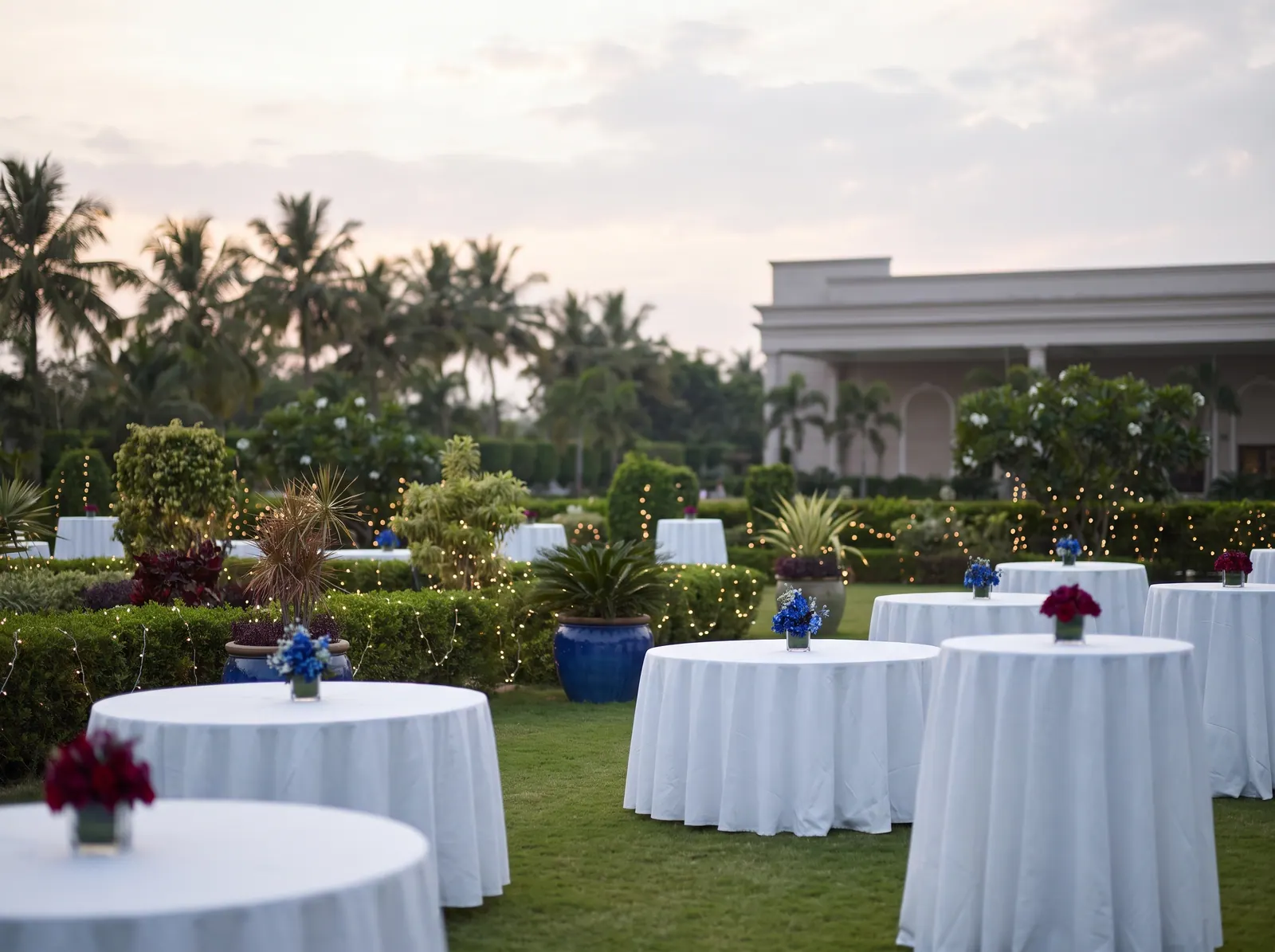
Event mosquito control in Goa works best as a short project that starts weeks before the wedding, not as a single round of fogging on the day. Goa is a popular place for destination weddings. Many celebrations happen in gardens, lawns, poolside decks and beach-facing venues, often running from a sunset ceremony into a late dinner, which are exactly the settings and hours when mosquitoes are hardest to avoid.
This guide is for couples, families, wedding planners and venue managers. It explains what to do and when, how a venue breeding sweep works, how fogging or ULV treatment should be timed safely, and which simple comfort measures help guests on the night.
Why do outdoor events in Goa need a mosquito plan?
Goa’s humid coastal climate and very heavy south-west monsoon leave water behind in gardens, drains, coconut groves and building sites. Many wedding dates fall in the cooler, drier months after the monsoon. Even then, water trapped in containers, gutters and drains can keep mosquitoes breeding, as our guide to the post-monsoon mosquito season in Goa explains.
Different mosquitoes keep different hours. Aedes mosquitoes, which can spread dengue and chikungunya, breed in small pockets of clean water and bite mainly in the daytime, especially early morning and late afternoon. That overlaps with haldi ceremonies and sunset vows. Culex and Anopheles mosquitoes are more active from dusk into the night, which covers dinner and the dance floor. A good plan deals with both.
In warm weather, mosquitoes can develop from egg to biting adult in about a week. That is why timing matters: water left standing two weeks before the event can become a fresh batch of mosquitoes on the day.
What should the timeline look like before the event?
The table below shows a typical plan for a garden or lawn venue. Adjust it to your venue and dates.
| When | What to do | Why it matters |
|---|---|---|
| 3–4 weeks before | Walk the venue with the venue manager and your pest control provider. Map gardens, water features, drains, service areas and any nearby construction. Agree who handles each task. | Leaves time to interrupt more than one breeding cycle. |
| 2–3 weeks before | First breeding sweep: empty, cover or remove standing water. Water that cannot be removed is treated by a trained operator. | Stops new adults emerging in the weeks before the event. |
| 7–10 days before | Second sweep. Recheck gutters, drains, storage areas and any rented equipment that has arrived. | Catches containers that refilled or were missed the first time. |
| 1–2 days before | Final check once tents, stage and decor are up. Empty any new water. Confirm fogging time, expected weather and the site layout. | Set-up crews often create new water traps without realising. |
| Event day | Timed fogging or ULV treatment of vegetation and perimeters before guests and food arrive. Comfort measures in place. | Reduces adult mosquitoes resting near guest areas. |
| After the event | Clear decor bowls, folded tarpaulins, cups and debris that can hold water. | Prevents the venue becoming a breeding site for the next event. |
If your event is only days away, a breeding sweep and a well-timed treatment can still help. Just expect a smaller effect than a plan that started weeks earlier.
How does a venue breeding sweep work?
The sweep is the most important step. Fogging only affects the adult mosquitoes present at the time, while removing breeding water stops replacements arriving. Most venues have more water-holding spots than people expect.
Where to look in a garden venue
- Flower pots, saucers, planters and plant trays
- Ornamental ponds, fountains, bird baths and water channels
- Blocked gutters, roof valleys and flat terraces
- Drains, sumps, inspection chambers and open pits
- Coconut shells, fallen fronds, tree holes and plants that hold water in their leaf bases
- Tarpaulins, stacked plastic chairs, buckets, drums, tyres and old equipment in back areas
- Air-conditioner drip trays and water tanks without tight lids
- Pool covers, pool surrounds and any construction area next to the venue
Our mosquito breeding checklist for Goan gardens and terraces goes through these spots in more detail.
Decor and catering that can add water
Floating-flower urlis, candle bowls, ice buckets and decorative fountains all hold still water. Ask your decorator to fill them on the day, change the water daily for multi-day events, and empty them straight after. Marquee roofs and folded side panels can trap rainwater, and catering wash areas should drain away properly rather than pool.
What gets treated, and what doesn’t
Removing water always comes first. Where water cannot be removed, such as large drains, sumps or decorative ponds without fish, a trained operator may apply a larvicide registered for that use. Ponds with fish need a different approach, because fish eat larvae and chemical treatment can harm them. Venues with large landscaped grounds and pools face similar issues to resorts; see mosquito control for resort gardens and pools.
When should fogging or ULV treatment be done, and is it safe?
Thermal fogging produces a visible fog, while ULV (ultra-low volume) treatment releases very fine droplets without heat. Both target flying and resting adult mosquitoes in shrubs, hedges and shaded corners. Their effect is short-lived and they do not reach larvae in water, so timing is everything.
Treatment is usually best done a few hours before guests arrive, once set-up crews have finished in the treated areas, and when the air is calm. Wind carries droplets away from where they are needed, and rain reduces their effect. You can read more about how these methods work on our page on mosquito fogging and ULV treatment in Goa.
Safety checklist for event-day treatment
- No guests, children, unprotected staff or pets in the area during treatment; return only when the operator advises.
- Food, drinks, cutlery, crockery and table linen should not be laid out yet, or should be covered or moved well away.
- Keep buffet and catering stations outside treated zones.
- Never fog inside closed tents or halls with people present; ventilate enclosed spaces well before use.
- Keep treatment away from swimming pools, fish ponds and drinking water.
- Avoid treating flowering plants where bees are active.
- Anyone with asthma or breathing difficulties should stay well away until the area is cleared for use.
- Only registered products should be used, following label directions, and anyone handling treated surfaces should wash their hands.
For a fuller explanation, read is mosquito fogging safe?
Can treatment be repeated during the event?
Not while guests are present. For multi-day celebrations, any further treatment should fit into a gap when the area is empty, such as early morning before the day’s set-up begins. Agree this with the venue and your planner in advance.
How can you keep guests comfortable on the night?
Even after good preparation, some mosquitoes will fly in from surrounding land. These simple measures make a real difference:
- Use fans. Mosquitoes are weak fliers, so pedestal fans around seating, dining tables and the edges of the dance floor help keep them off guests.
- Plan the layout. Place seating and dining away from dense shrubs, ponds and drains where possible.
- Set up repellent stations. Offer a ready-made personal repellent near the entrance and washrooms. Guests should follow the label, and parents should check age guidance before using any repellent on children.
- Advise on clothing. A line in the invitation or welcome note suggesting light, covering clothing for evening functions, especially for ankles and feet, helps.
- Offer a sheltered space. A screened or air-conditioned room is useful for elderly guests, infants and anyone who wants a break.
- Don’t rely on coils or candles alone. Their effect outdoors is modest, and smoke can bother some guests.
If any guest develops a fever or feels unwell after the event, they should see a doctor. Our guide to protecting your family from mosquito bites in Goa has more everyday advice.
Who should be involved in planning?
Mosquito control at an event touches several teams. Bring the venue manager, wedding planner, decorator, caterer and pest control provider into the same conversation, and share the site layout and the event timetable early. Name one person as the point of contact for treatment times and access.
Many resorts and hotels already run their own pest programmes. Ask what the venue does routinely, so any extra work fills gaps rather than duplicating it.
What results can you realistically expect?
No outdoor treatment can remove every mosquito from an open garden or beachside lawn. The aim is a noticeable reduction in mosquitoes around guest areas during the event. Results depend on the surroundings, recent rain, wind on the day, and how much breeding water exists on neighbouring land outside the venue’s control.
Planning a wedding or event in Goa?
Our Goa work follows an Integrated Pest Management approach: inspection first, then sanitation and proofing advice, then targeted treatment. We are a licensed pest control operator with the Directorate of Agriculture, Goa, we use CIB&RC-registered products, we maintain Material Safety Data Sheets for the products we use, and we share service reports after visits.
Tell our Goa branch in Chimbel your venue location, event date and a rough layout of the space, and we’ll confirm whether we can help and what a plan might involve.
Frequently asked questions
QHow far ahead should we arrange mosquito control for a Goa wedding?
Ideally three to four weeks before the date. That allows a venue walk-through and two breeding sweeps roughly a week apart, which matters because mosquitoes can develop from egg to adult in about a week in warm weather. If your event is closer than that, a single sweep and a well-timed treatment on the day are still worthwhile, but the reduction is usually smaller.
QCan fogging be done while guests are at the venue?
No. Fogging or ULV treatment should only be carried out when the area is empty of guests, children, pets and unprotected staff. People should return only when the operator says it is suitable. For multi-day events, any repeat treatment is best scheduled in a gap, such as early morning before decorators and caterers start setting up.
QWill treatment affect the food, flowers or decor?
Food, drinks, crockery and linen should not be out during treatment, or should be covered and moved well away. Catering stations are best kept outside treated zones altogether. Decorators can usually finish delicate floral work after treatment, and flowering plants where bees are active should be avoided. Agree the order of work with your planner beforehand.
QOur venue is a resort with its own pest control. Do we still need a plan?
It helps to ask the venue what it already does and when. Resort programmes are designed for everyday operations, not for a large crowd sitting in one garden at dusk. Event-specific steps, such as checking decorator water bowls, rechecking after set-up and timing treatment before guests arrive, may still be needed. Coordinate so the work complements the venue’s routine.
QDoes your Goa branch cover our venue?
Areas listed in our Goa records include Panaji, Margao, Vasco da Gama, Mapusa, Calangute, Candolim, Baga, Ponda and Porvorim, along with some nearby localities. Venues elsewhere may or may not be within reach. Share the venue location and event date with our Goa branch in Chimbel, and we’ll confirm whether we can help.
QAre citronella candles and mosquito coils enough on their own?
Usually not. Their effect in open outdoor spaces is modest, and the smoke from coils can bother guests, especially anyone with breathing difficulties. They can add a little comfort, but removing breeding water before the event, using fans around seating and offering personal repellent stations generally make a bigger difference.
QWhat happens if it rains just before the event?
Rain refills containers, tarpaulins, tent folds and plant saucers, so a quick recheck for standing water after rain is worthwhile. Fogging or ULV treatment is less effective during rain or strong wind, so the operator may need to adjust the timing on the day. Keep the planner and venue informed so the schedule can shift if needed.
Last updated 13 October 2026. Information on this page is general guidance; your technician will advise on your specific property after inspection.