Quick answer
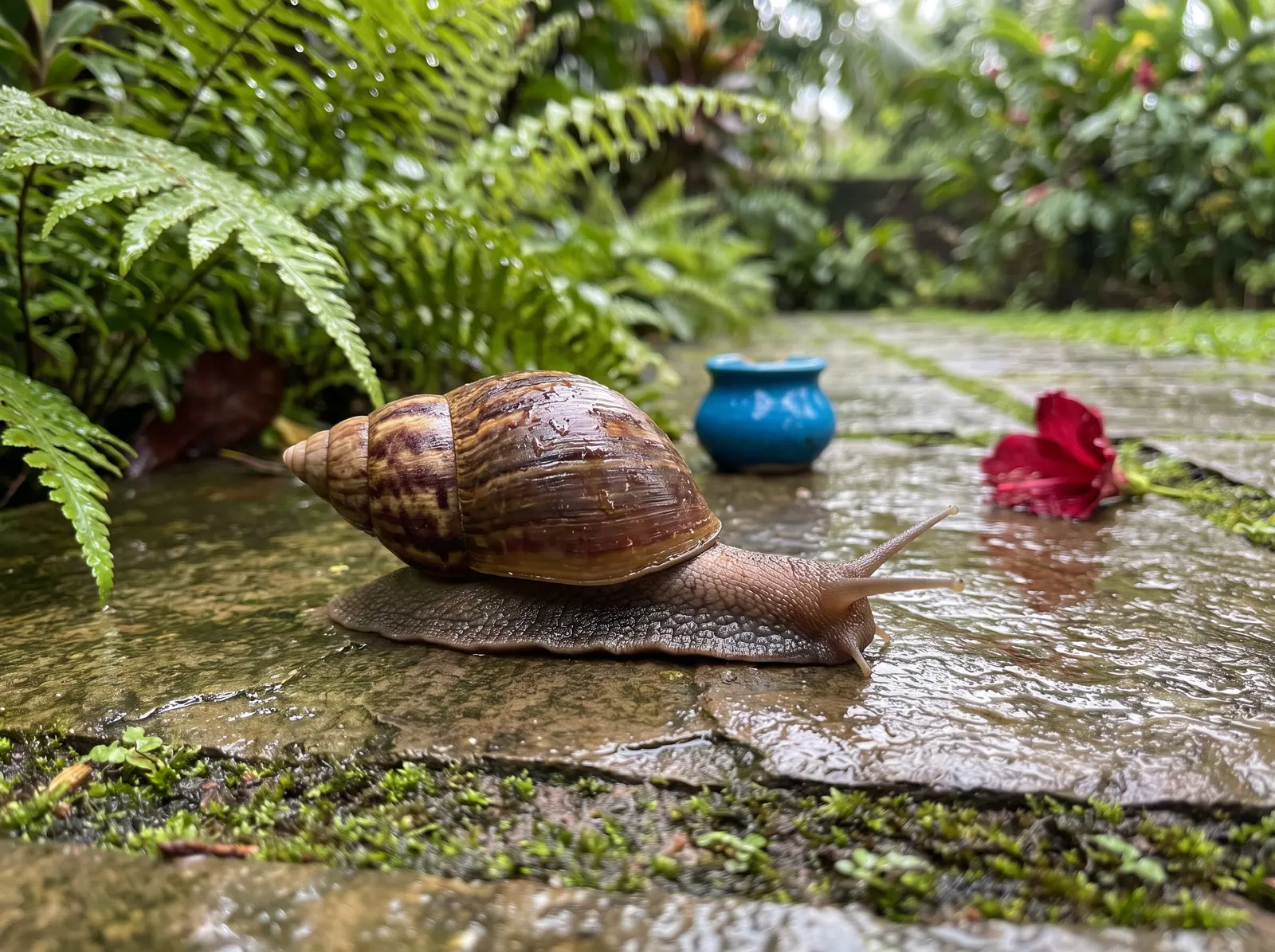
The Giant African snail is a large, invasive land snail with a tall, cone-shaped brown shell streaked with darker bands. In Goa it appears in large numbers with the south-west monsoon, feeding on seedlings, vegetables and ornamental plants. It can carry a parasite harmful to people, so handle it only with gloves, wash hands and produce well, and reduce numbers by hand-collecting, removing hiding places and destroying eggs.
Key points
- The Giant African snail is an invasive land snail with a tall, cone-shaped brown shell streaked with darker bands.
- It stays dormant through dry months and becomes active and breeds heavily during Goa’s south-west monsoon.
- It can carry a parasite harmful to people, so handle it only with gloves and wash hands and produce thoroughly.
- Evening hand-collection, egg removal and clearing hiding places are the most reliable home-garden measures.
- Do not release collected snails elsewhere or salt garden soil; seal and dispose of them with household waste or bury them deeply.
If you have stepped out into a Goan garden on a wet evening and found large, cone-shaped snails on the compound wall, the papaya seedlings and the path, you have probably met the Giant African snail. This guide explains how to recognise the giant African snail in Goa, why it suddenly turns up in such numbers during the rains, how to handle it without risk, and what actually works to keep it in check.
It is written for homeowners, villa owners and housing societies with gardens. It is general guidance, not a promise of any particular service.
What does a Giant African snail look like?
The Giant African snail is a land snail originally from East Africa that has spread to many tropical countries, including India. It is considered an invasive species because it breeds quickly, eats a very wide range of plants and has few natural checks outside its native range.
- Shell shape: tall and cone-shaped, coiling to a point, rather than the flatter or rounder shells of most smaller garden snails.
- Colour: brownish, usually with darker brown or reddish streaks running across the coils. Older shells can look faded or chalky.
- Size: mature adults are often bigger than a hen’s egg, and large ones can approach the length of an adult’s hand. Young snails are much smaller but have the same pointed shape.
- Body: a soft, greyish-brown body with two pairs of tentacles, leaving a visible slime trail.
- Eggs: small, round, whitish to pale yellow, laid in clusters in loose, moist soil, under leaf litter or beneath stones and planks.
Slugs, which have no shell, and the many small native snails are different animals. If you are unsure, the size and pointed shell of the Giant African snail usually settle the question.
Why do they appear in such numbers in the monsoon?
Snails need moisture to stay active. Through Goa’s dry months, Giant African snails survive by burying themselves in soil or hiding in crevices, sealing the shell opening with a dried layer of mucus and becoming dormant.
When the very heavy south-west monsoon arrives, the soil softens, humidity stays high day and night, and the snails become active again almost at once. They feed, mate and lay eggs throughout the wet season. Each snail carries both male and female organs and lays many eggs at a time, so a garden that had a handful of snails in June can have far more by August.
Coastal gardens with dense planting, coconut husk heaps, leaf litter and shaded corners give them everything they need. This is one of several creatures that become noticeable in the rains; our overview of monsoon pests in Goa from June to September covers the others.
| Period | What the snails are doing | What to focus on |
|---|---|---|
| Dry season (roughly December to May) | Mostly dormant, buried in soil or hidden in crevices and debris | Clear debris piles, stacked bricks and old pots where dormant snails shelter |
| First rains | Emerging and starting to feed and breed | Begin evening collection early, before the first generation of eggs hatches |
| Peak monsoon | Feeding heavily, laying eggs repeatedly | Regular hand-collection, egg removal, protecting seedlings |
| Post-monsoon | Activity falls as soil dries; snails seek shelter to go dormant | Final clean-up of hiding places to reduce next year’s numbers |
Are Giant African snails dangerous to people?
The snails do not bite or sting. The concern is hygiene. Giant African snails can carry a parasitic worm, often called rat lungworm, which they pick up from rat droppings. If a person swallows the parasite, for example by eating a raw or undercooked snail or unwashed produce contaminated with snail slime, it can cause a serious illness affecting the brain and nervous system.
The risk from simply seeing snails in the garden is low, but it is sensible to treat them, their slime and their trails as unhygienic. Because rats are part of this cycle, keeping rodents away from the house and garden also helps; see our guide to identifying rats, mice and bandicoots around Goan homes.
If anyone in the household feels unwell after contact with snails, or after eating produce from an affected garden, see a doctor and mention the snails.
How should you handle Giant African snails safely?
- Always wear gloves. Disposable or washable rubber gloves are fine. Never handle snails or their eggs with bare hands.
- Use tools where you can. Tongs or a small trowel reduce contact further.
- Wash your hands well with soap and water afterwards, even if you wore gloves, and before eating or touching your face.
- Keep children away from them. Children are naturally curious about such large snails; explain that they must not pick them up or put them near their mouths.
- Discourage pets from mouthing or eating snails. If you are worried about your dog or cat, ask your vet.
- Wash garden produce thoroughly under running water, especially leafy greens, and cook vegetables from affected beds well.
- Never eat these snails or keep them as pets.
How do you collect and dispose of them responsibly?
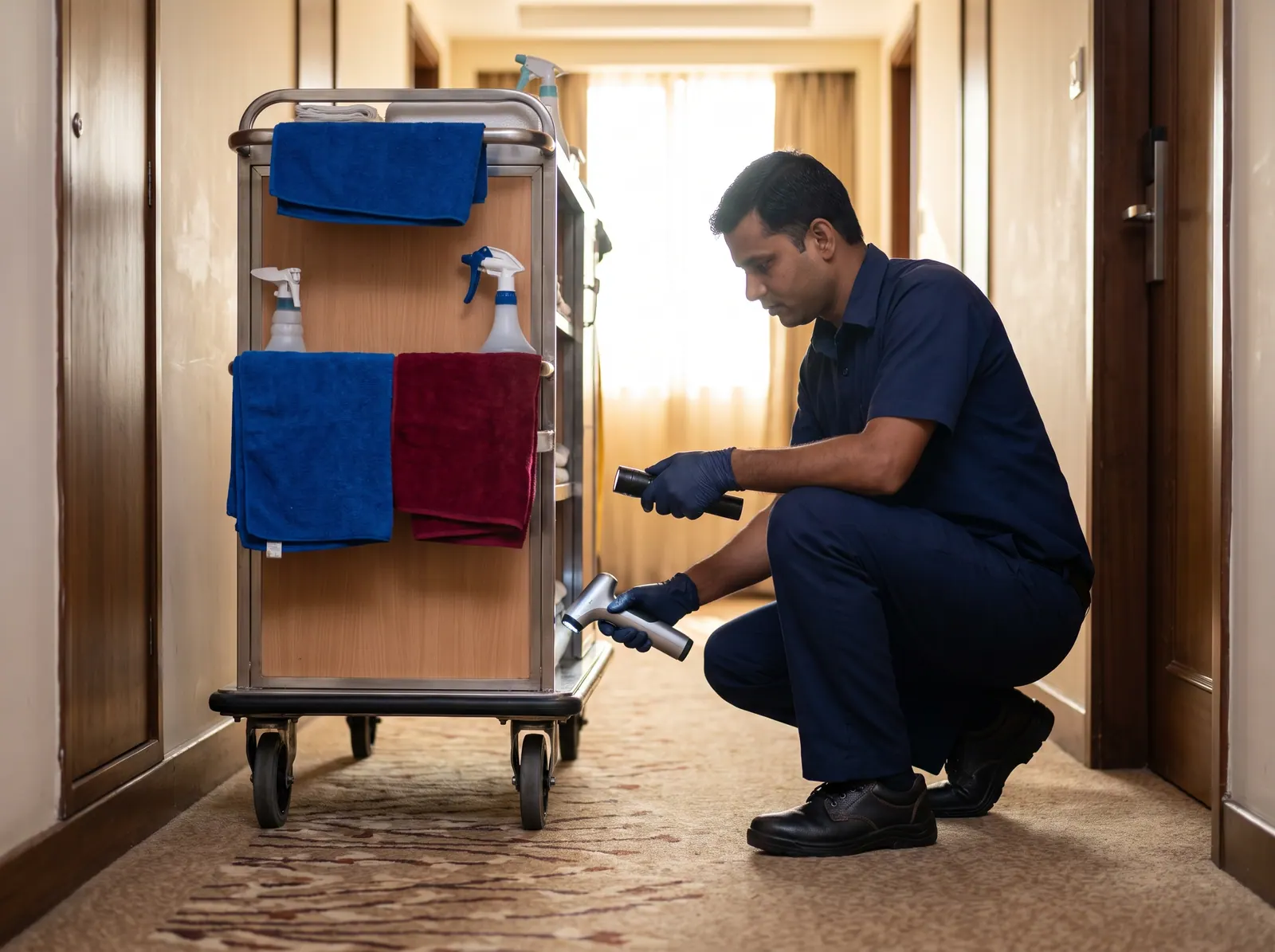
Hand-collection is slow but it works, and it does not put pets, birds or beneficial insects at risk. The snails are most active at dusk, at night and just after rain, so that is the best time to go out with a torch.
- Wear gloves and carry a bucket with a lid.
- Check walls, the undersides of leaves, pot rims, drain edges, and under planks or stones.
- Drop each snail into the bucket. A strong salt solution or soapy water in the bucket will kill them.
- Seal the dead snails in a bag and put them out with your household waste, or bury them deep enough that animals will not dig them up.
- Crush any egg clusters you find, or spread them out in strong sun to dry.
- Rinse the bucket and tools, then wash your hands.
Please do not toss live snails over the wall into a neighbour’s plot, an open field or roadside drain. They simply carry on breeding there and are likely to find their way back. Avoid pouring salt directly on garden soil or lawns, as it damages the soil and plants long after the snails are gone.
Which garden measures reduce snail numbers?
The aim is to make your garden a less comfortable place for snails to hide and breed. This follows the same thinking as Integrated Pest Management: understand why the pest is there, change the conditions, and only then consider targeted treatment.
Remove hiding places
- Clear leaf litter, fallen fronds, coconut husks and garden waste regularly during the rains.
- Move stacks of bricks, tiles, timber and unused pots off the ground or clear them away.
- Trim dense ground cover and creepers back from compound walls and house walls.
- Keep compost in a covered bin rather than an open heap.
Change watering and planting habits
- If you water during dry spells, do it in the morning so the surface dries before evening.
- Raise young seedlings in pots or protected trays until they are sturdier.
- Leave a clear strip of open ground or gravel around vegetable beds; snails dislike crossing dry, rough surfaces.
Use simple traps and barriers
- Lay a flat board or wet sack on the soil in the evening. Snails shelter under it overnight and can be collected the next morning.
- Physical barriers around small beds can help, but they are rarely enough on their own in the peak monsoon.
Think about standing water too
The same pots, trays and debris that shelter snails often hold rainwater where mosquitoes breed. Our mosquito breeding checklist for Goan gardens and terraces pairs well with a snail clean-up, and the pre-monsoon pest checklist is a good list to work through before the first rains.
What about snail baits and chemicals?
Snail baits sold for gardens can be toxic to dogs, cats, birds and other wildlife, and some are dangerous to children. If you choose to use any product, read and follow the label exactly, keep children and pets away from treated areas, wash your hands after use, and store the product out of reach.
Pellets scattered across a lawn are not a substitute for removing hiding places and collecting snails. In most home gardens, steady hand-collection and good garden hygiene through the monsoon do more than chemicals alone.
When should you seek help?
Most households can manage a snail problem themselves with patience. It is worth asking for advice when:
- numbers stay high for weeks despite regular collection;
- snails are entering the house, kitchen or food storage areas;
- you also see signs of rats, such as droppings, gnaw marks or burrows;
- the grounds are large, such as a housing society, villa compound or guest house garden;
- the property is empty for the monsoon and nobody is there to collect snails (our guide on looking after an empty Goa villa during the monsoon may help).
For farms, orchards and larger plantations, the Directorate of Agriculture or your local agricultural officer can advise on crop protection.
Our Goa branch in Chimbel is a licensed pest control operator (Directorate of Agriculture, Goa) that uses CIB&RC-registered products and works on an inspection-first approach. If snails, rodents or other monsoon pests are getting out of hand around your home, contact our Goa branch, tell us your location and what you are seeing, and we will discuss whether and how we can help.
Frequently asked questions
QWhy have so many big snails suddenly appeared in my garden in Goa?
Giant African snails spend the dry months dormant, buried in soil or tucked into crevices with the shell sealed. When the south-west monsoon softens the ground and keeps humidity high, they become active almost overnight. They also breed quickly through the rains, so numbers can climb noticeably between the first showers and the peak of the monsoon if nobody collects them.
QIs it safe to touch a Giant African snail?
It is best not to touch them with bare hands. The snails can carry a parasite, often called rat lungworm, that can cause serious illness if swallowed. Wear gloves or use tongs, wash your hands with soap and water afterwards, and keep children from picking them up. If anyone feels unwell after contact or after eating garden produce, see a doctor.
QCan I eat vegetables from a garden that has these snails?
Yes, with care. Wash all produce thoroughly under running water, paying particular attention to leafy greens where slime can cling, and discard anything visibly damaged or slimy. Cooking vegetables well adds a further margin of safety. Never eat the snails themselves, and avoid eating raw produce straight from affected beds without washing it first.
QDoes pouring salt on snails solve the problem?
Salting individual snails on the ground is messy and does nothing about eggs or snails still hidden. Salt scattered on beds or lawns also damages soil and plants for a long time. If you use salt, keep it inside a collection bucket as a strong solution, then seal and dispose of the dead snails with household waste or bury them deeply.
QWill the snails go away on their own after the monsoon?
Activity drops as the soil dries after the rains, but the snails do not disappear. Many simply go dormant in soil, debris piles and crevices and re-emerge with the next monsoon. A thorough post-monsoon clean-up of leaf litter, stacked materials and old pots, plus destroying any egg clusters, reduces how many survive to start the next season.
QAre Giant African snails a sign that I have rats?
Not necessarily, but the two are linked. Snails pick up the rat lungworm parasite from rat droppings, so where rats are active the hygiene risk from snails is higher. If you notice droppings, gnaw marks, burrows or runs along walls, deal with the rodents as well as the snails, and keep food waste and compost covered.
Last updated 13 October 2026. Information on this page is general guidance; your technician will advise on your specific property after inspection.