Quick answer
Bakery pest control in Goa starts with the flour store. Check incoming sacks, keep stock raised and away from walls, use older flour first and clean spills daily. Seal gaps around ovens and drains to cut cockroach shelter, and proof stores against rats and mice. Schedule professional treatment after the day's baking and cleaning, or on a closed day, so no product is used near exposed dough or finished goods.
Key points
- Most stored-product insect problems in bakeries start with infested incoming stock and spread through flour dust and old stock.
- Raised storage away from walls, first-in-first-out use and daily cleaning of spills are the core flour-store defences.
- Cockroaches shelter in warm, damp gaps behind ovens and inside equipment, so targeted gel baiting and sealing work better than open spraying.
- Rodent-proofing entry points with durable materials is more lasting than baiting, and traps are generally preferred inside food areas.
- Treatment should be scheduled after baking and cleaning or on a closed day, with food and equipment removed or covered.
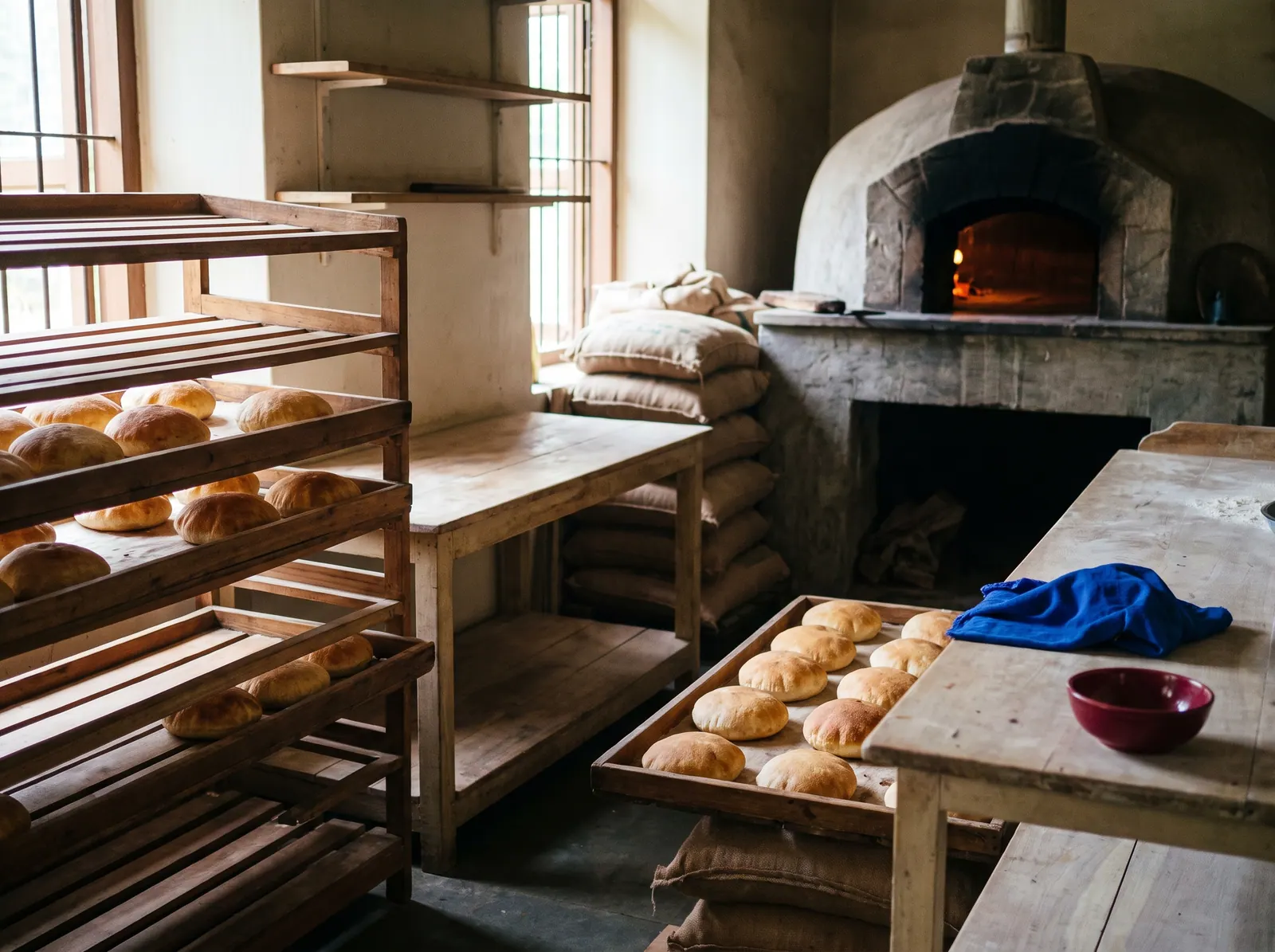
Bakery pest control in Goa has to work around three things: large stocks of flour and sugar, oven areas that stay warm for much of the day, and baking that often starts long before dawn. Whether you run a family poder business with a wood-fired oven or a modern bakery with electric deck ovens and a retail counter, the same pests tend to find the same weak spots.
This guide explains where those weak spots are, what you can do yourself, and how professional treatment can be planned so that it never comes near a batch of pão or poi.
Why do bakeries attract pests?
A bakery offers food, warmth and shelter in one building. Flour dust settles in corners and behind equipment, crumbs collect under cooling racks, and sugar syrups and fillings leave sticky residues. Ovens, proofers and motor housings create warm, dark gaps where insects can hide and breed.
Goa's humid coastal climate adds to this. During the heavy south-west monsoon, moisture gets into stores, flour can clump, and damp walls and drains give cockroaches and other pests more places to live. Traditional bakehouses also often keep firewood stacks, and use delivery baskets and crates that travel out and back every day. Both can carry pests in.
Which pests are likely in a Goan bakery?
| Pest | Where it usually turns up | Signs to look for |
|---|---|---|
| Flour beetles (red and confused flour beetles) | Flour sacks, bins, sieves, flour dust in corners and inside machinery | Small reddish-brown beetles; flour that turns greyish or smells musty |
| Pantry moths, such as the Indian meal moth | Flour, rava, dry fruit, nuts | Silky webbing, clumped flour, small moths flying in the store |
| Grain weevils | Whole grains, broken wheat, rava | Small beetles with a snout; tiny holes in grains |
| Flour mites | Damp flour, especially during the monsoon | Fine dust that seems to move; a faint sweetish smell |
| German cockroaches | Around ovens, proofers and mixers, under counters, inside electrical panels | Small light-brown cockroaches; droppings like pepper specks; a musty odour |
| American cockroaches | Drains, gully traps, wash areas, firewood stacks | Larger reddish-brown cockroaches, usually seen at night |
| Rats and mice | Flour stores, behind sacks, roof spaces, around outside bins | Droppings, gnawed sacks, grease marks along walls, tracks in flour dust |
| Ants and flies | Sugar, syrups, cream, waste areas | Ant trails to sweet items; flies around bins and drains |
Many of the same beetles and moths appear in homes too. Our guide to stored rice and pantry pests in Goan kitchens covers them at household scale.
How should flour and ingredients be stored?
Most stored-product insect problems begin in the store, not the bakehouse. Insects often arrive in an incoming sack and then spread to clean stock that sits nearby for weeks. Good storage limits both their arrival and their spread.
- Check deliveries before they go in. Look for torn sacks, webbing, live insects or damp patches, and set aside anything doubtful.
- Keep sacks off the floor and away from walls. Pallets or raised platforms with a gap from the wall let you see and sweep behind stock, and remove hiding places for rodents.
- Use stock in order. Use older flour first, and never tip new flour on top of old in the same bin.
- Decant into sealed containers. Use food-grade bins with tight lids for flour, sugar, rava, dry fruit and nuts in daily use.
- Sieve before use. Sieving, already routine in most bakeries, is also an early warning: insects or webbing in the sieve tell you to check the whole batch.
- Clean spills the same day. A little flour dust in corners, under shelves or inside mixer bases is enough to keep beetles going.
- Keep the store dry and ventilated. This matters most in the monsoon. Fix roof leaks, and avoid stacking sacks against an outside wall that gets wet.
- Remove infested stock promptly. Bag it, take it out of the building, and clean the bin and shelf thoroughly before refilling.
Where a heavy infestation has spread through a whole store or a large consignment, fumigation is sometimes the appropriate method. It is specialist work for trained, licensed operators, with the space cleared of people beforehand, and is never a do-it-yourself job.
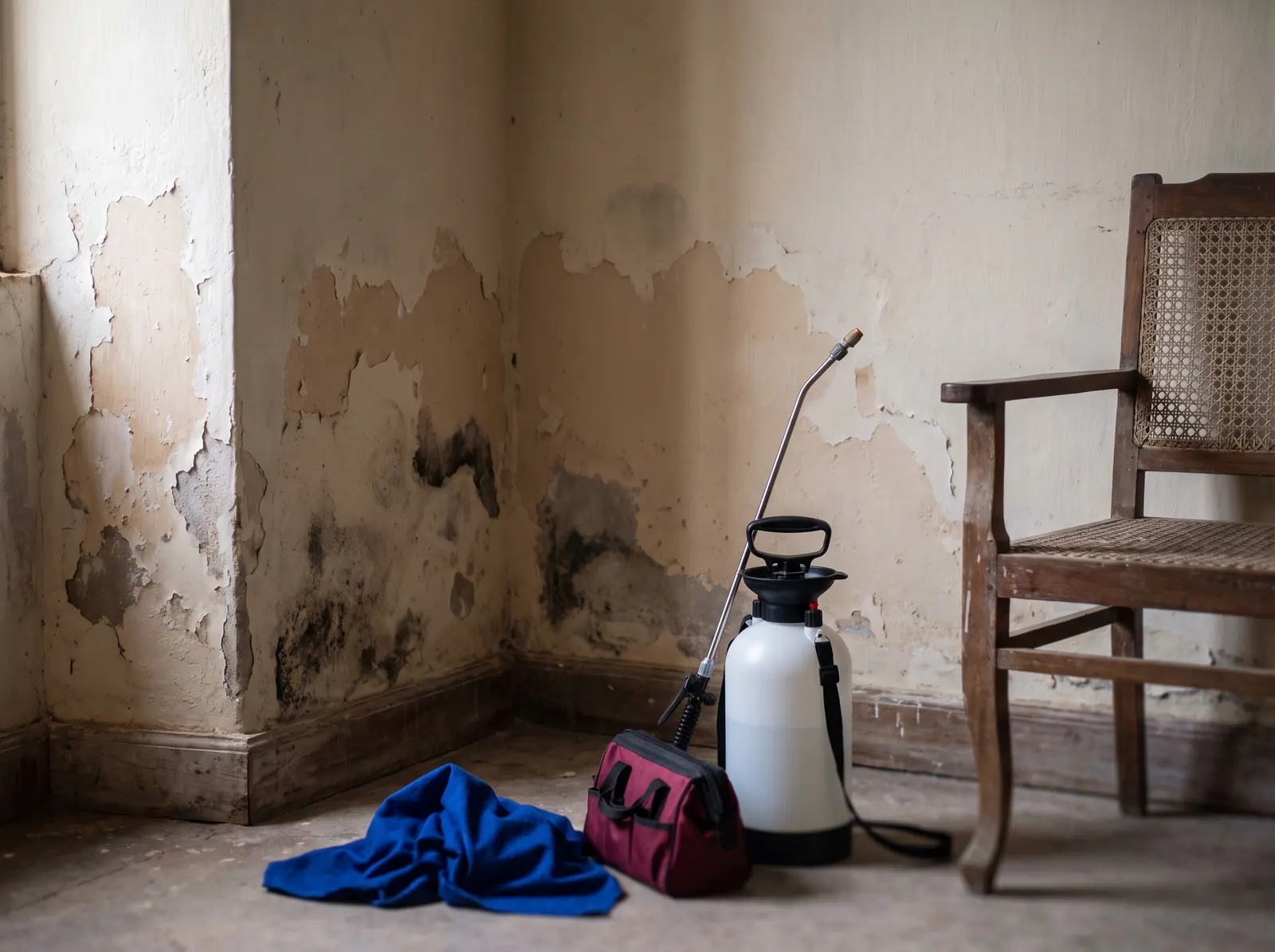
If damp keeps returning in your building, our guide on damp walls and pests explains how moisture invites pests and what helps.
Why do cockroaches gather around ovens?
Cockroaches look for warmth, moisture, food and tight gaps. A bakery oven area provides all four. The spaces behind and beneath ovens stay warm, steam and wash water keep nearby surfaces damp, and crumbs fall where brooms cannot reach.
German cockroaches in particular breed quickly in such spots and often live inside equipment housings and control panels rather than in the open. Larger American cockroaches usually come up from drains and wash areas, especially where gully traps dry out or covers are missing. Our guide to cockroaches in drains, ducts and shafts describes these routes in more detail.
What you can do in the oven area
- Pull out movable equipment regularly and clean behind and underneath it.
- Seal cracks in walls and floor tiles near the oven, and gaps where pipes and cables enter.
- Keep drains covered and flushed, and fix leaking taps near wash areas.
- For wood-fired ovens, store firewood raised off the ground and away from the bakehouse wall, and bring in only what the day needs.
- Check returning bread crates and baskets before they come into the production area.
How does professional cockroach treatment work in a bakery?
In food production areas the usual approach is targeted rather than broad spraying. Gel bait is placed in small spots inside cracks, hinges and equipment voids where cockroaches shelter, away from food-contact surfaces. Crack-and-crevice treatment reaches hiding places that baits cannot.
Because cockroaches may shelter close to heating elements, placements are chosen to suit the temperature and access, and nothing is put where it could reach dough, trays or finished goods. Household sprays used in open areas tend to drive cockroaches deeper into equipment, can make baits less effective and risk contaminating surfaces, so they are best avoided in a bakery.
How do you rodent-proof a flour store?
Rats and mice spoil far more than they eat. Gnawed sacks, droppings and urine mean whole bags have to be thrown away. Proofing the store is the most lasting fix.
- Find the entry points. Check gaps under doors, around drain pipes and cables, at the roof eaves and through ventilation openings. Mice can squeeze through surprisingly small gaps, roughly the width of a pencil.
- Close them with durable materials. Use door sweeps or metal kick plates, cement or metal mesh around pipes, and fine mesh over vents. Rodents gnaw through plastic, wood and foam.
- Check the roof. Many older bakehouses have tiled roofs, and rats often travel along roof timbers and drop into stores. See our guide to rodents in tiled roofs.
- Remove shelter outside. Clear rubble, old equipment and overgrown plants near the walls, and keep waste in lidded bins that are emptied regularly.
- Read the flour dust. Fresh footprints and tail marks in floor dust show where rodents are moving. Note them before you sweep.
Inside stores and production areas, professionals generally rely on traps and monitoring rather than loose bait, so there is no risk of bait or a dead rodent ending up near ingredients. Tamper-resistant bait stations are more usually placed around the outside of the building. If you are not sure whether you are dealing with rats, mice or bandicoots, our guide to identifying rodents can help.
How can pest control be scheduled around baking hours?
Many Goan bakeries begin work in the small hours so that bread is ready for morning delivery and sale. Treatment has to fit around that cycle, so that no product is applied while dough, trays or finished goods are exposed.
| Timing | Suitable for | Why |
|---|---|---|
| After the day's baking and cleaning | Gel baiting, crack-and-crevice treatment, trap checks | Leaves time for treated areas to dry and settle before the next bake |
| A weekly closed day or holiday | Deeper treatment, moving heavy equipment, store clear-outs | Plan purchases so the store is lightly stocked that day |
| Before and after the monsoon | Store inspection, proofing repairs, drain and roof checks | Humidity and leaks change where pests shelter |
| Any convenient quiet period | Inspection and monitoring | Inspection alone does not involve treating food areas |
Before and after a treatment visit
- Move or cover ingredients, finished goods, trays and utensils in the areas to be treated.
- Clean surfaces and remove crumbs first; treatment works better on a clean site.
- Agree in advance which areas will be treated and when work there can resume.
- Afterwards, ventilate the area, keep children and pets away from treated areas until dry or as advised, and wash food-contact surfaces before use.
- Staff should wash their hands, and everyone should follow product label directions and the technician's instructions.
If any staff member feels unwell after a treatment, they should see a doctor.
What records should a bakery keep?
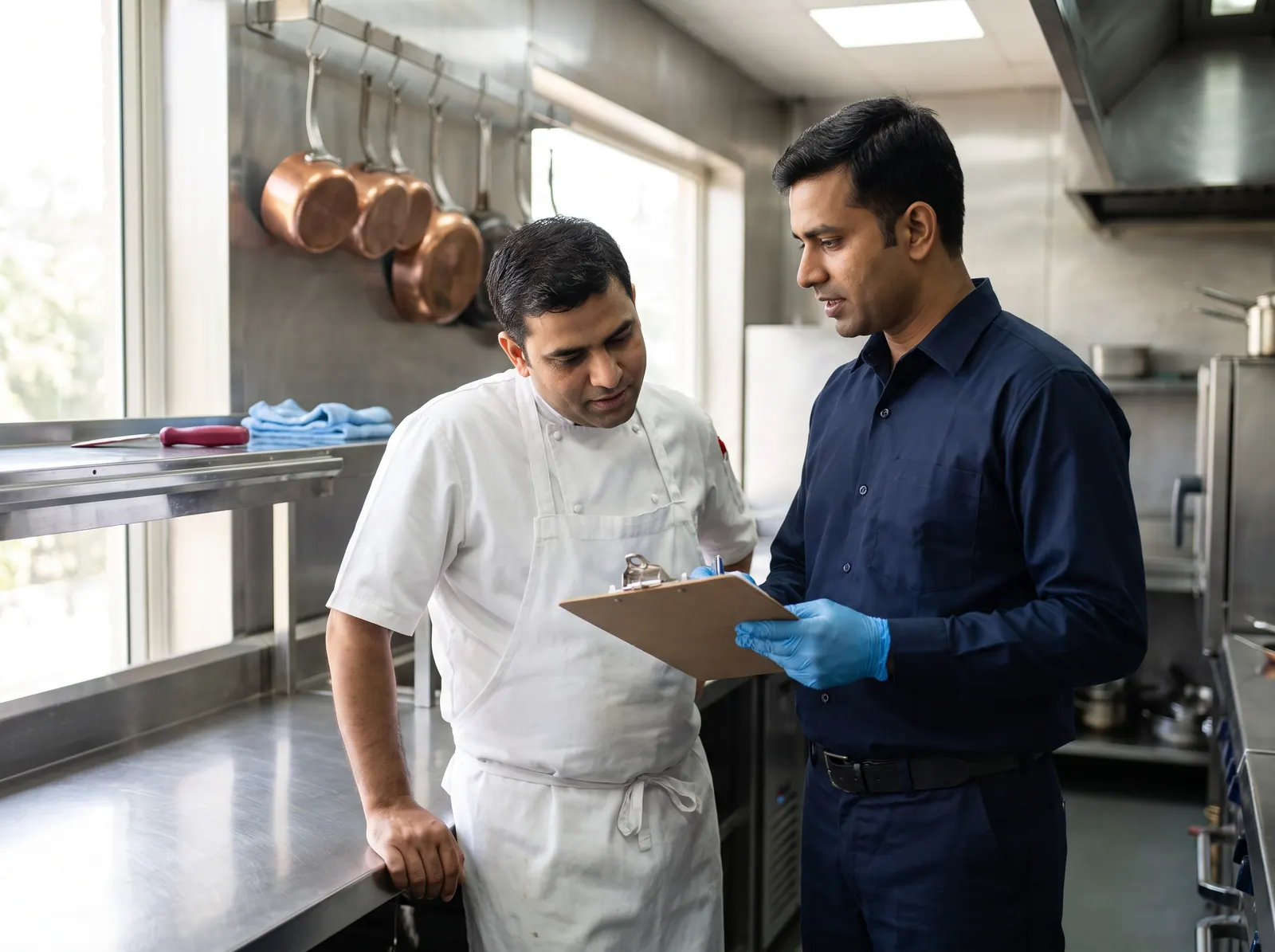
Bakeries are food businesses, and FSSAI's Schedule 4 hygiene requirements expect food premises to be kept free of pests through an effective pest control programme. If you follow HACCP, pest control is one of the prerequisite programmes an auditor will look at. Useful records include:
- A simple site plan showing trap and bait station positions.
- Service reports with dates, areas treated and products used.
- Material Safety Data Sheets for those products.
- A sightings log where staff note any pests they see, with date and place.
- Notes of what was done in response, such as repairs, deep cleans or extra visits.
When should a bakery call in professionals?
Occasional beetles in one bin can often be handled with good storage and cleaning. It is time for professional help if you see cockroaches during the day, find insects in finished products, notice fresh rodent droppings in the store, or the same problem keeps coming back despite cleaning.
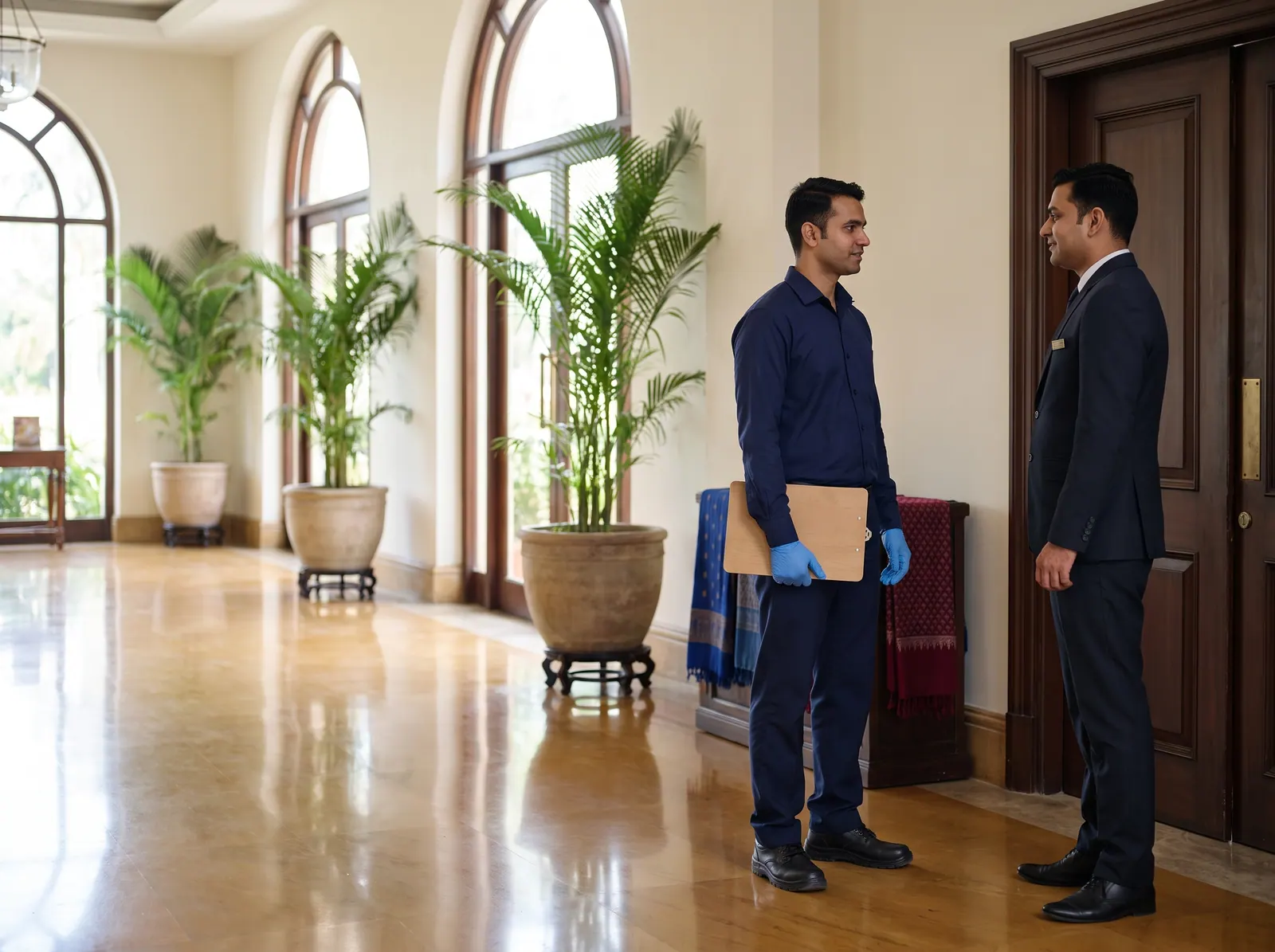
Our Goa branch in Chimbel follows an Integrated Pest Management approach: inspection first, then sanitation and proofing advice, then targeted treatment where it is needed. It works as a licensed pest control operator (Directorate of Agriculture, Goa) using CIB&RC-registered products, maintains Material Safety Data Sheets for the products it uses, shares service reports after visits, and can provide documentation aligned with HACCP and FSSAI audit expectations. You can read more about how we work.
If you run a bakery in Goa and are dealing with pests in your flour store, oven area or shop, get in touch with our Goa branch in Chimbel. Tell us where you are, what kind of bakery you run and what you are seeing, and we will talk you through the next steps.
Frequently asked questions
QCan pest control be done while the bakery is still operating?
Inspection and monitoring can happen at almost any time. Treatment is best done when production has stopped for the day and the area has been cleaned, or on a weekly closed day. Ingredients, trays and finished goods should be removed or covered first, and work in treated areas should resume only when the technician says it is safe, after surfaces have been washed.
QIs flour still usable if I find a few beetles in it?
For a food business, flour with live insects, larvae or webbing should not be used. Bag it and remove it from the building, then clean the container and shelf before refilling. Check nearby stock too, because flour beetles and moths spread easily between sacks. If you keep finding insects in fresh deliveries, raise it with your supplier.
QHow often should a bakery have professional pest control?
It depends on the size of the bakery, the pests involved and the history of the premises. Food businesses usually benefit from a regular schedule, often monthly or quarterly, rather than one-off treatments, with extra visits when a problem appears. A scheduled programme also gives you a steady set of service records for hygiene audits.
QDo wood-fired ovens need any special pest precautions?
The oven itself is rarely the issue; the firewood and the gaps around the oven usually are. Firewood stacks can shelter cockroaches, spiders and other insects, so keep them raised, dry and away from the bakehouse wall, and bring in only the day's supply. Seal cracks in the oven surround and floor, and clean regularly where ash and crumbs collect.
QWhy does a bakery need pest control records for FSSAI?
FSSAI's Schedule 4 hygiene requirements expect food premises to be kept free of pests through an effective control programme, and an inspector or auditor may ask how you do that. Dated service reports, a plan of trap positions, safety data sheets for products used and a staff sightings log show that pest control is planned and followed up, not left to chance.
QDo rodents in the bakery mean we have to use poison indoors?
Not necessarily. In food stores and production areas, traps and monitoring are generally preferred so there is no chance of bait or a dead rodent ending up near ingredients. Tamper-resistant bait stations are more commonly placed around the outside of the building. The longest-lasting fix is proofing: closing gaps under doors, around pipes, at roof eaves and over vents.
Last updated 13 October 2026. Information on this page is general guidance; your technician will advise on your specific property after inspection.