Quick answer
Professional pest control in Goa starts with an inspection and correct identification of the pest. A state-licensed operator then applies a targeted treatment using CIB&RC-registered products. When choosing a company, check its licence, ask which products it will use and request the safety data sheet. Compare written quotes for what they include, and read the warranty terms. In Goa's humid, monsoon-heavy climate, plan termite and wood borer checks before the rains.
Key points
- Pest control operators in India work under the Insecticides Act, 1968, and need a state licence; in Goa this is issued through the Directorate of Agriculture.
- Products used should be registered with CIB&RC, and a professional operator should be able to show the label or safety data sheet.
- Anti-termite treatment in India follows IS 6313: Part 2 for pre-construction and Part 3 for post-construction treatment.
- Goa's humid climate and heavy south-west monsoon favour termites, wood borers and mosquito breeding, so pre-monsoon inspections are worth planning.
- Bed bug treatment normally needs follow-up visits because eggs can survive a single treatment.
What does professional pest control in Goa actually involve?
Professional pest control is more than a quick spray. A competent operator inspects the property, identifies the pest correctly and works out why it is there. They then treat only where it is needed, using registered products applied by trained staff. Afterwards you should receive a clear record of what was done and what to do next.
This guide explains how to choose a professional pest control service in Goa for a home, office, shop, hotel or warehouse. Most of these checks apply anywhere in India. Goa's climate and buildings add a few points of their own.
Why Goa's climate and buildings matter
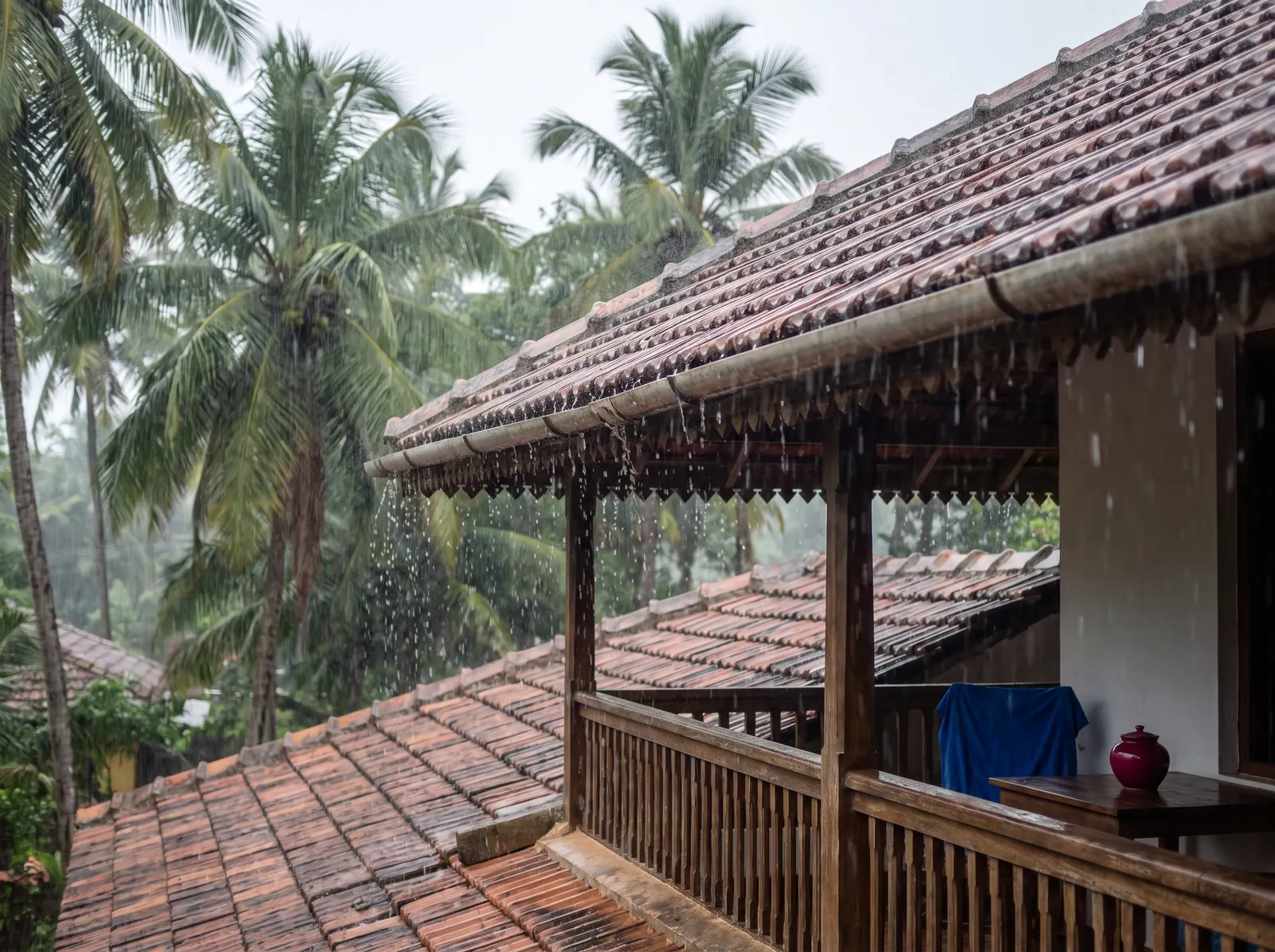
Goa has a humid coastal climate and a very heavy south-west monsoon. Damp walls, wet soil and timber that stays moist for months suit termites and wood borers. Heavy rain can also push cockroaches, ants and rodents indoors in search of dry shelter, and standing water after the rains gives mosquitoes places to breed.
The mix of buildings matters too. An older house with timber rafters, doors and furniture needs different care from a new flat in a housing society. A hotel or restaurant kitchen in the coastal belt has to think about guests and food-safety audits as well as pests. A good company asks about your property before it quotes.
How to choose a pest control company in Goa: a step-by-step checklist
- Start with recommendations. Ask neighbours, your housing society committee or business contacts who they have used, and read online reviews. Look for patterns, such as pests returning quickly or technicians who explained nothing.
- Check the licence. Pest control in India is governed by the Insecticides Act, 1968, and operators need a state licence. In Goa this is issued through the Directorate of Agriculture. Ask to see the licence.
- Ask which products will be used. Products should be registered with the Central Insecticides Board and Registration Committee (CIB&RC). A professional company will name the product, explain why it suits your pest and show you the label or Material Safety Data Sheet (MSDS) if you ask.
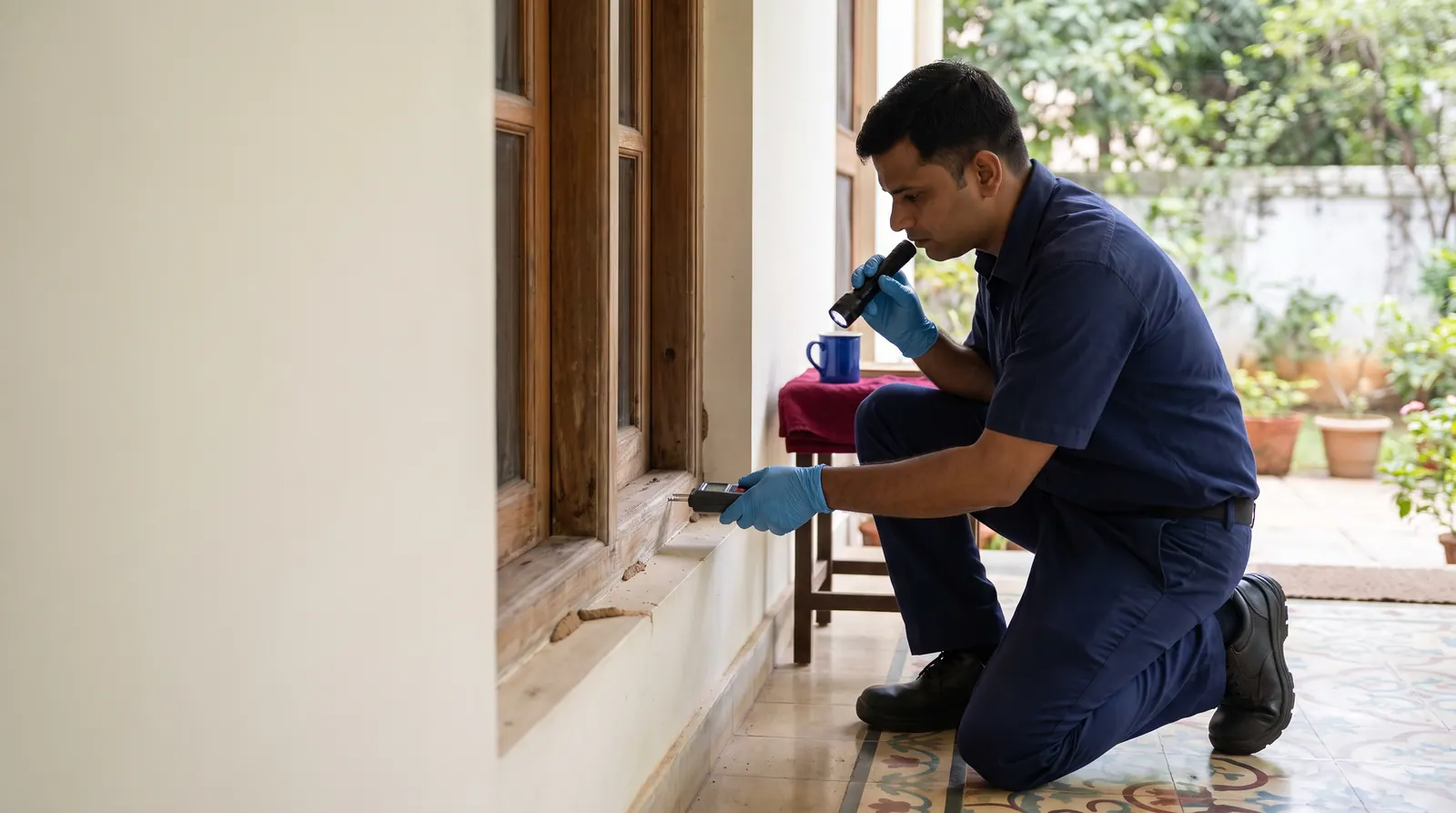
- Expect an inspection first. Anyone who quotes a full treatment without looking at the property is guessing. A proper inspection identifies the species, finds entry points and spots conditions that attract pests, such as leaks, food waste or clutter.
- Match the method to the pest. Termites, bed bugs and cockroaches each need a different approach (see the table below). Ask the technician to explain their plan in plain words.
- Compare value, not just price. Get two or three written quotes. Compare the number of visits, follow-ups, areas covered, reporting and warranty terms. A low quote that leaves out follow-ups can cost more in the end.
- Read the warranty terms. Find out which services carry a warranty, for which area, for how long and what would make it void.
Which treatment suits which pest?
| Pest | What a professional approach usually involves | A useful question to ask |
|---|---|---|
| Termites | Soil treatment before construction, or drill-fill-seal treatment for occupied buildings, in line with IS 6313 (Part 2 or Part 3), plus treatment of affected wood | Which part of IS 6313 applies to my building, and how will the drilled holes be sealed? |
| Cockroaches | Gel baiting and crack-and-crevice treatment in kitchens, bathrooms and drains | Will the kitchen be out of use, and for how long? |
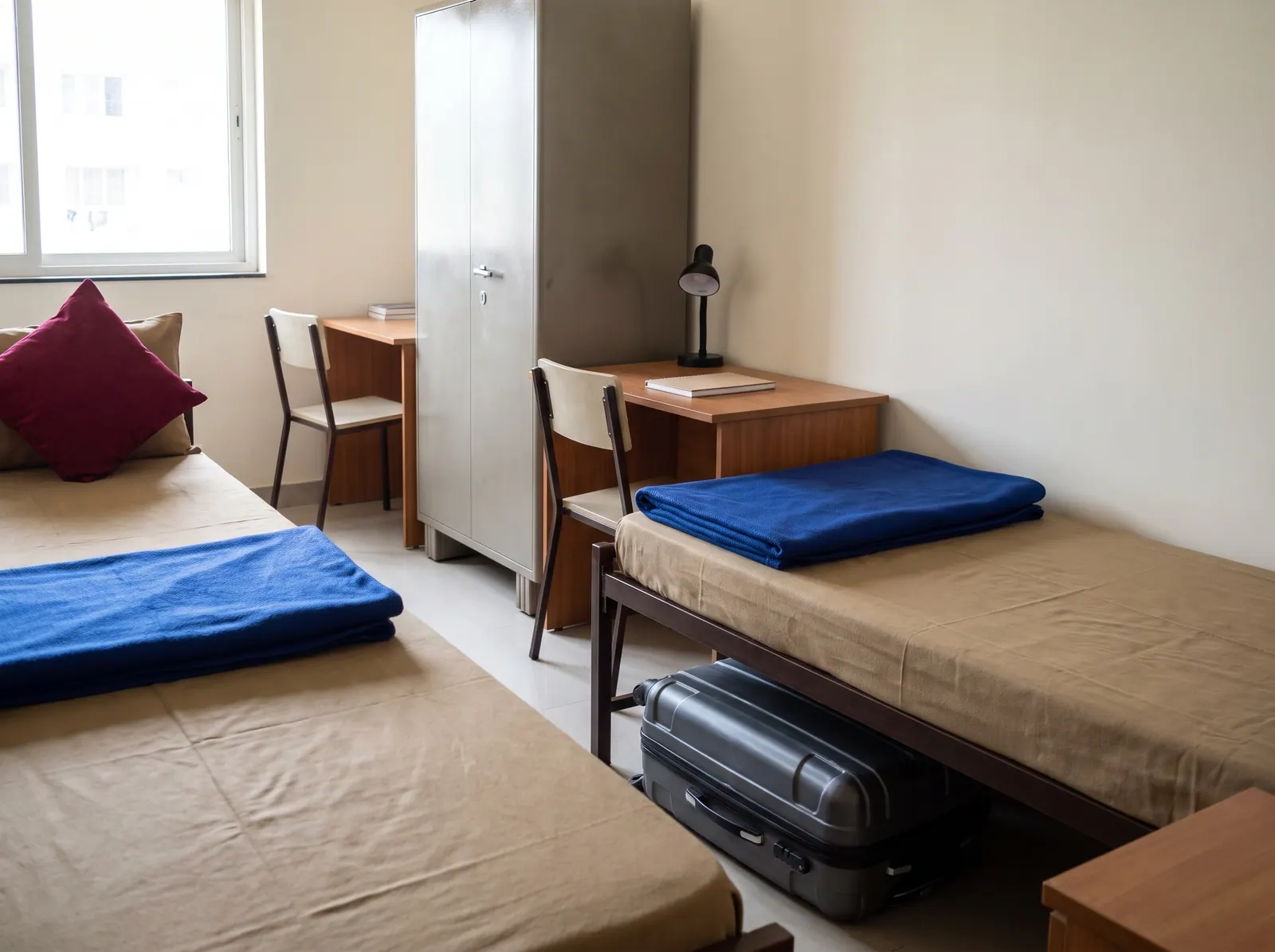
| Bed bugs | Room-by-room inspection and treatment of beds, furniture and cracks, with follow-up visits because eggs can survive a single treatment | How many follow-up visits are planned? |
| Rats and mice | Inspection, tamper-resistant bait stations, traps and advice on proofing gaps | Where will the stations go, and how often will they be checked? |
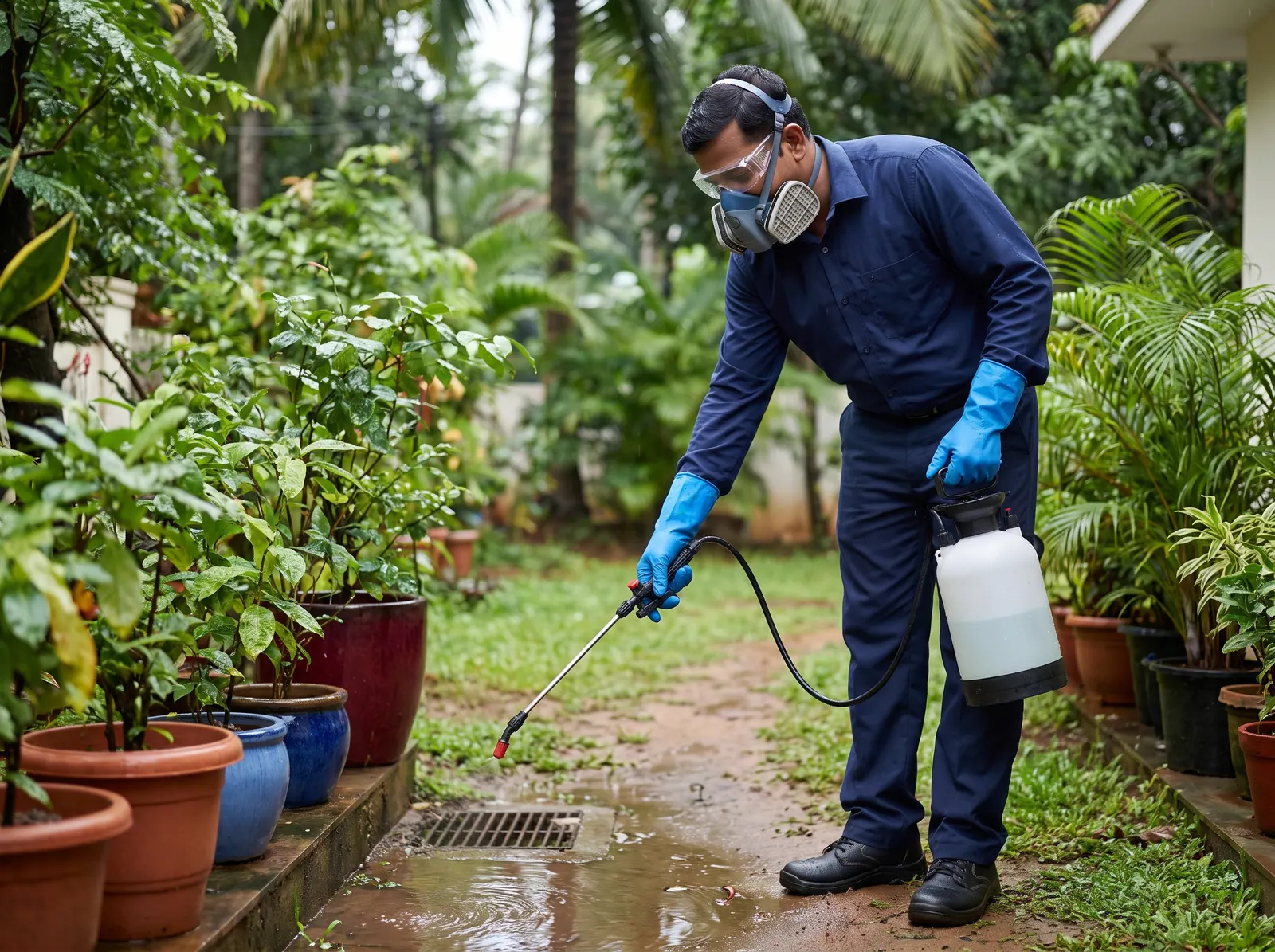
| Mosquitoes | Removing breeding sites, larviciding, and indoor residual spraying or fogging matched to the season | What will you do about breeding sites, not just adult mosquitoes? |
| Wood borers | Treatment of affected furniture, doors, frames and structural timber | Which pieces need treatment, and which can be saved? |
For more detail on the two problems Goa homeowners often find hardest to judge, see our guides to termite control in Goa and bed bug treatment in Goa.
Red flags to watch for
- No licence, or a refusal to name the products or share the MSDS.
- Promises of permanent or "100%" results. No honest operator can promise that pests will never return.
- Spraying every room without an inspection.
- Technicians working without gloves, masks or other protective equipment.
- No written quote, service report or warranty terms.
- Full payment demanded in advance with no paperwork.
- No traceable business address or website.
Preparing for a visit and staying safe afterwards
Before the visit
- Store food in sealed containers and clear kitchen counters.
- Move beds and sofas slightly away from walls so the technician can reach skirting and cracks.
- Cover aquariums and switch off their pumps if advised, and keep pets in a safe room or away from home.
- Tell the technician if anyone in the house is pregnant, has asthma or is unwell.
During and after the visit
- Have a family member or staff representative present to show problem areas and hear the aftercare advice.
- Keep children and pets away from treated areas until surfaces are dry, or for as long as the technician advises.
- Ventilate rooms as guided, and wash your hands after touching treated surfaces.
- Do not wipe away gel bait or move bait stations. They need to stay in place to work.
- If anyone feels unwell after a treatment, see a doctor and take the product details with you.
One-time treatment or an annual maintenance contract?
A one-time treatment suits a single, contained problem, such as a wasp nest or a bed bug outbreak in one room (with its planned follow-ups). An annual maintenance contract suits recurring pressure, such as restaurants, hotels, warehouses, housing societies and homes that see cockroaches or termites year after year.
Food businesses should also think about records. FSSAI Schedule 4 hygiene requirements and HACCP-based audits expect pest control to be planned and documented, so ask whether the service reports will stand up to an audit. In Goa, it also helps to plan around the monsoon. Schedule termite and wood borer checks before the rains, and pay closer attention to mosquito breeding during and after them.
How we approach pest control at our Goa branch
Efficacy Pest Control was founded in Goa. Our Goa branch in Chimbel is a licensed pest control operator (Directorate of Agriculture, Goa) and uses CIB&RC-registered products. We follow an Integrated Pest Management approach: inspection first, then sanitation and proofing advice, then targeted treatment.
- Service reports are shared after visits, and clients get updates on WhatsApp.
- Material Safety Data Sheets are maintained for the products we use.
- Food businesses receive documentation aligned with HACCP and FSSAI audit expectations.
- For specific services, a warranty applies to the treated area, as set out in the service agreement. It does not cover structural changes, new construction or cases where post-service instructions were not followed. If pests come in from a neighbouring property, preventive steps on your side will also be needed.
Our Goa branch covers Panaji, Margao, Vasco da Gama, Mapusa, Ponda and Porvorim, as well as Calangute, Candolim and Baga along the coast. You can browse the full list of areas we serve, the range of pest control services in Goa, or read how we work from inspection to follow-up.
If you are in Goa and would like an inspection or a second opinion on a quote, contact our Goa branch in Chimbel. Tell us your location, your type of property and the pest you are seeing, and we will advise on the next steps. Answers to common questions are also on our Goa pest control FAQ page.
Frequently asked questions
QWhat licence should a pest control company in Goa have?
A pest control operator in Goa should hold a licence issued through the Directorate of Agriculture, Goa, under the framework of the Insecticides Act, 1968. The products they use should be registered with CIB&RC. Ask to see the licence before work starts, and ask for the name of each product along with its label or safety data sheet. A genuine operator will share these without hesitation.
QIs professional pest control safe with children and pets at home?
It can be, provided registered products are applied in a targeted way and label directions are followed. Keep children and pets away from treated areas until surfaces are dry, or for as long as the technician advises. Ventilate rooms afterwards and wash your hands. Tell the technician beforehand about anyone with asthma, allergies or pregnancy. If anyone feels unwell, see a doctor.
QShould I book pest control before or after the monsoon in Goa?
Both have their place. An inspection before the south-west monsoon helps catch termite and wood borer activity early and lets you fix leaks and gaps before the rains. During and after the monsoon, mosquito breeding sites and pests moving indoors to stay dry need attention. Many households and businesses plan visits around the season for this reason.
QWhat does a pest control warranty usually cover?
Terms vary by company, pest and treatment, so read the service agreement carefully. At our Goa branch, the warranty applies to the treated area for specific services, as written in the agreement. It does not cover structural changes, new construction or cases where post-service instructions were not followed. Pests coming in from a neighbouring home also need preventive steps on your side.
QWhat records should I receive after a pest control visit?
Expect a service report listing the areas treated, the products used and any aftercare or re-entry advice. You should also get an invoice as per the quotation. Restaurants, hotels and other food businesses should keep these records for FSSAI and HACCP-based audits. Ask the company in advance whether its reports are suitable for audits.
QHow do I compare quotes from different pest control companies?
Ask for two or three written quotes after each company has inspected the property. Compare the number of visits, whether follow-ups are included, which areas are covered, the products named, the reporting provided and the warranty terms. A cheaper quote may leave out follow-up visits, which matter for pests such as bed bugs and cockroaches.
Last updated 13 October 2026. Information on this page is general guidance; your technician will advise on your specific property after inspection.