Quick answer
Bakery pest control in Hyderabad's long-running Irani cafés and bakeries starts with the building and the stock, not the spray can. Older premises have gaps, drains and voids that let rodents and cockroaches in. Flour stores attract beetles, moths and rats, and warm oven areas shelter German cockroaches. The practical answer is regular inspection, strict stock rotation, proofing, targeted baiting and treatment timed around early baking hours, with records kept for food-safety audits.
Key points
- Older café and bakery buildings often have drain, door, tile and ceiling gaps that let rodents and cockroaches in, so proofing is a key part of control.
- Flour beetles, moth larvae and weevils often arrive in delivered stock or breed in spillage; strict first-in, first-out rotation and inspection of deliveries help prevent them.
- German cockroaches favour warm, tight spaces such as oven bodies, proofers and fridge motors, where targeted baiting usually works better than sprays alone.
- Treatments should be timed around baking hours, with food covered or removed and surfaces cleaned before production resumes.
- FSSAI Schedule 4 hygiene requirements and HACCP systems expect food businesses to control pests and keep evidence such as service records.
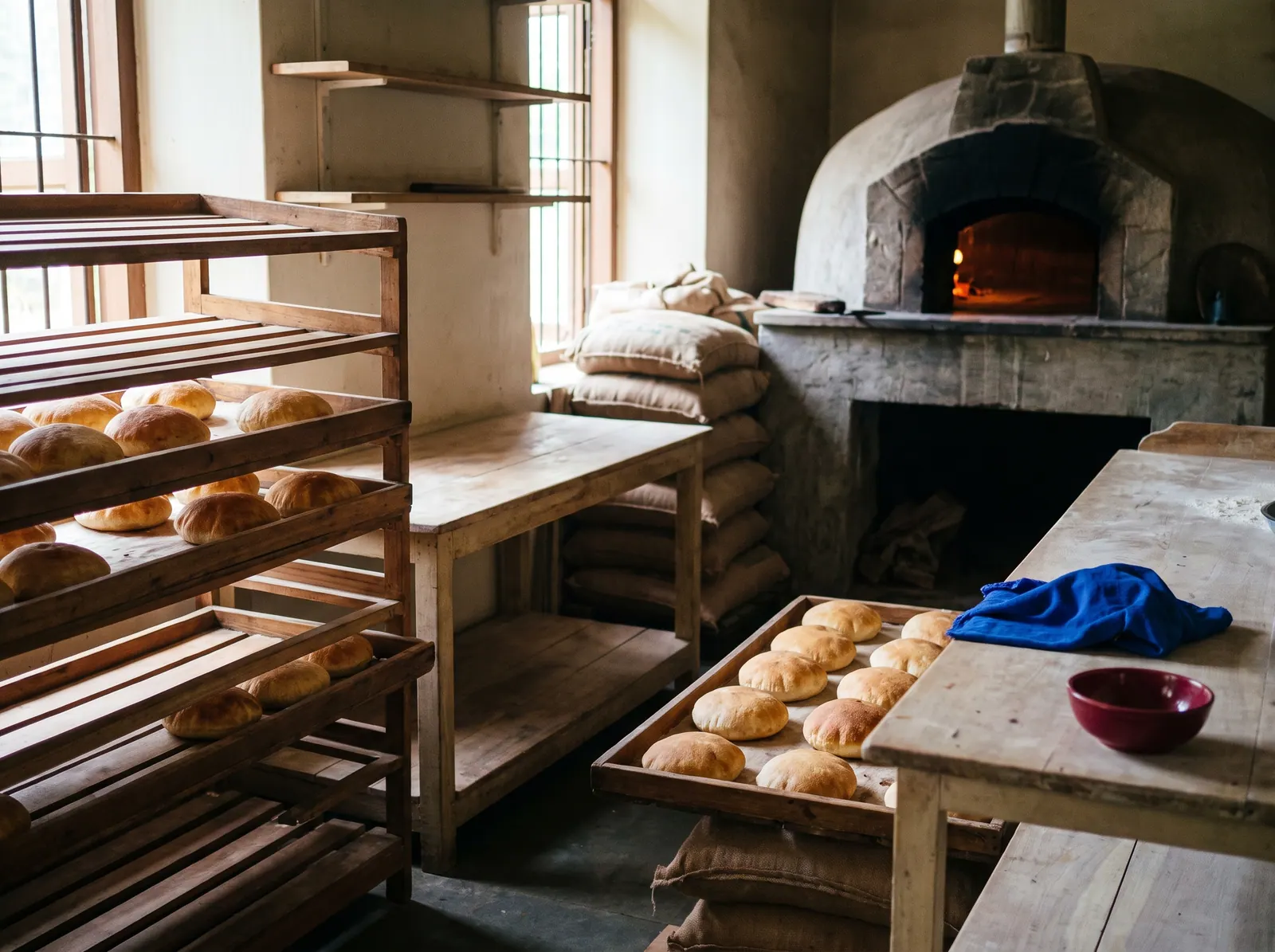
Hyderabad's Irani cafés and neighbourhood bakeries are part of the city's daily rhythm: chai and Osmania biscuits in the morning, then bun maska, fresh bread, cakes and puffs through the day. Many have traded from the same premises for a long time. That history is part of their charm, but it also brings particular pest challenges.
This guide covers bakery pest control in Hyderabad for these businesses. It explains what draws pests in, where they hide, and how to plan treatment around early baking hours without disrupting service.
Why do long-running cafés and bakeries attract pests?
Pest problems in a bakery rarely mean the owner is careless. Four conditions come together in most of these premises:
- Older buildings with cracks, old drains, wooden fittings and shared walls that give pests entry and shelter.
- Bulk dry stock such as flour, maida, rava, sugar and dry fruit, which feeds stored-product insects and rodents.
- Warmth from ovens and proofers running for long hours, which suits cockroaches.
- Long and early hours, with doors opening in the dark for deliveries and baking, and lights that attract flying insects.
Good pest management deals with all four. Spraying alone does not fix a building gap or a forgotten sack of old flour.
Older buildings: where do pests get in and hide?
Older premises have had years of renovation, rewiring and plumbing changes, and every change can leave a gap. In most food businesses, these are the places that usually need attention:
- Gaps under rear and side doors, especially doors used for early-morning deliveries.
- Old drains, gully traps and floor channels with missing or broken covers.
- Cracked floor and wall tiles behind ovens, sinks and counters.
- Wooden shelving, lofts, mezzanine stores and false ceilings.
- Holes around pipes, gas lines and cable entries.
- Shared walls and ceiling voids with neighbouring shops or flats.
Proofing is often the most lasting improvement you can make. Fit door sweeps, put mesh on drain openings and vents, seal around pipes, and repair broken tiles. In shared buildings, pests move between units, so talk to the landlord and neighbours about common drains and shafts.
Flour stores and display stock
What lives in flour, maida and rava?
Dry ingredients attract stored-product insects. The usual signs are small reddish-brown beetles in flour, fine webbing or clumped flour left by moth larvae, and weevils in whole grains. These insects often arrive in delivered stock, or breed in old spillage in corners and inside sifters, mixers and bins.
- Check every delivery before it goes into the store. Look for torn sacks, webbing and live insects.
- Keep sacks on racks or pallets, off the floor and a little away from walls, so you can inspect and clean behind them.
- Use first-in, first-out rotation. Never top up old flour with a new batch.
- Transfer opened stock into clean containers with tight lids.
- Sweep up spills the same day, including under racks and around mixers.
If you find infested stock, separate it straight away and do not use it in production. Never spray insecticide onto stored food. Fumigation is a specialist method used only where it is the right approach, and it must be carried out by trained, licensed professionals.
Rodents around sacks and stores
Rats and mice are drawn to flour stores and to the waste generated by a busy kitchen. Watch for droppings near sacks, gnawed packaging, greasy rub marks along walls and skirting, and scratching in ceilings at night. Professional rodent management usually combines inspection, traps inside food areas, tamper-resistant bait stations placed outside food-handling zones, and proofing of entry points.
Display counters and glass cases
Display counters hold sugar syrup, cream, jam and crumbs, which attract ants, flies and cockroaches. Refrigerated counters add warmth from their motors. Clean under and behind counters daily, check the rubber seals on glass cases, and keep the motor compartment free of crumbs and dust. Place lights so they do not draw flying insects towards the open door and the food.
Why do cockroaches gather around ovens?
The small, light-brown German cockroach, with two dark stripes behind its head, prefers warm, humid, tight spaces close to food and water. In a bakery that means oven bodies, proofers, mixer motors, refrigerator compressors and the cracks in tiled oven bases. They are mostly active at night. If you see them during the day, the population is usually large.
Sprays alone often disappoint here, because the insects shelter deep inside equipment where spray cannot reach. Targeted crack-and-crevice treatment and gel baiting usually work better. A trained technician places small amounts of bait in harbourage points away from food-contact surfaces. Cockroaches feed on it and carry it back to their hiding places.
Avoid using household aerosol sprays near ovens yourself. Aerosols near hot surfaces are a fire risk, spray can drift onto food areas, and repellent products can scatter cockroaches into new parts of the premises. For more detail, see our guide to German cockroaches in Hyderabad restaurant kitchens.
Cleaning matters as much as treatment. Remove crumbs, carbon and grease from under and behind ovens, and move equipment where it is safe to do so. Do not wipe bait placements with strong cleaners, because this makes the bait unattractive.
A simple inspection checklist for bakery staff
Daily checks by your own team catch problems early and make professional visits more effective.
| Area | What to look for | Suggested check |
|---|---|---|
| Flour and dry store | Beetles, webbing, clumped flour, droppings, gnawed sacks | Every delivery, and weekly |
| Oven and proofer area | Live or dead cockroaches, egg cases, pepper-like droppings | Daily at close |
| Display counters | Ant trails, flies, cockroaches under seals and motors | Daily |
| Drains and wash area | Drain flies, cockroaches, missing covers, standing water | Weekly |
| Rear door and back store | Gaps, rub marks, droppings, damaged door sweeps | Weekly |
| Lofts, ceilings, mezzanine | Droppings, nesting material, bird entry points | Monthly |
How should pest control be scheduled around early baking hours?
Many bakeries start production well before dawn, while cafés may stay open late. The aim is to find a treatment window that keeps food safe and does not delay the first batch.
- Identify your quietest window. This may be after the last service at night, or a weekly slot when production is lighter.
- Separate inspection from treatment. Inspection, monitoring and gel baiting can often be done with little disruption.
- Plan any spray treatment carefully. Remove or cover food, utensils and packaging, and allow enough time before baking resumes.
- Follow re-entry advice. Keep staff out of treated areas until surfaces are dry or for as long as the technician and product label advise. Ventilate well.
- Clean before production. Wash food-contact surfaces as instructed before the next batch, and make sure staff wash their hands.
- Avoid treating right before your busiest days. Schedule around festival rushes and large orders.
How often you need visits depends on the building, the pests found and your audit requirements. Busy food premises usually benefit from a regular programme rather than calling only when pests appear.
How do Hyderabad's seasons change the picture?
During the monsoon, damp conditions can spoil dry stock, drains back up and flies increase. In the hot, dry summer, cockroaches and ants move indoors looking for water. Our Hyderabad pest calendar and the guide to monsoon pests in Hyderabad can help you plan checks through the year.
What pest control records should a bakery keep?
The FSSAI Schedule 4 hygiene requirements expect food businesses to have effective pest control in place. HACCP-based food safety systems treat pests as a hazard to be controlled. In practice, auditors and inspectors usually want to see evidence, not just a clean floor on the day.
- Dates of each service visit and the areas covered.
- Pests found, activity levels and recommendations made.
- Products used, with registration details and safety data sheets.
- A map of bait stations and monitoring points.
- Corrective actions you have taken, such as repairs and cleaning.
Our guide to pest control records for food businesses in Telangana explains this in more detail.
How does Efficacy Pest Control approach food premises?
We follow an Integrated Pest Management approach: inspection first, then sanitation and proofing advice, then targeted treatment where it is needed. We maintain Material Safety Data Sheets for the products we use.
At our established Goa branch in Chimbel, we provide restaurant and hotel pest management. In Goa, we share service reports after visits and prepare documentation for food businesses that is aligned with HACCP and FSSAI audit expectations. These are Goa practices; our Shamshabad branch will confirm what it can help with. You can read more about how we work.
Our Shamshabad branch has recently opened, and services are being confirmed area by area. Tell us your location and the problem, whether it is cockroaches near the oven, beetles in the flour store or rats in the back room, and we'll confirm whether we can help. Details are on our Hyderabad branch page.
Frequently asked questions
QCan pest control be done without closing my bakery?
Often, yes. Inspection, monitoring and gel baiting placed in cracks away from food-contact surfaces usually cause little disruption. Any spray or space treatment needs food, utensils and packaging removed or covered, and enough time before production restarts. A slot after closing or on a lighter production day often works well. A technician should agree the timing with you in advance so the first morning batch is not delayed.
QWhat should I do if I find beetles or webbing in a sack of maida?
Move the sack away from other stock straight away and do not use it for baking. Check the neighbouring sacks, bins and the area underneath, because these insects spread to nearby stock and breed in spillage. Clean the shelf and surrounding corners thoroughly. Never spray insecticide onto food. If infestation keeps recurring, ask a professional to inspect your store and incoming deliveries.
QAre gel baits safe to use near ovens and display counters?
Gel baits are used because they can be placed precisely in small amounts inside cracks, crevices and equipment voids rather than spread over open surfaces. A trained technician places them away from food-contact areas and according to the product label. Staff should not wipe or scrub bait points with strong cleaners. As with any treatment, keep food covered and follow the technician's advice.
QHow often should an Irani café or bakery have pest control visits?
There is no single answer. It depends on the age and condition of the building, the pests found, how much dry stock you hold and what your food-safety audits require. For busy food premises, a regular scheduled programme, with extra visits when daily checks show activity, is usually more practical than calling only when pests appear. A first inspection helps set a sensible frequency for your premises.
QWhy do I still see cockroaches after a treatment?
Some activity in the days after baiting is normal, because cockroaches come out to feed on the bait before the population declines. Persistent sightings usually point to an untreated harbourage, such as inside an oven body or refrigerator motor, new cockroaches arriving in deliveries or from neighbouring units, or crumbs and grease competing with the bait. Report sightings so the next visit can target them.
QCan your Shamshabad branch help my café or bakery?
Our Shamshabad branch has recently opened, and we are confirming services and coverage area by area across the Hyderabad region. Tell us where your café or bakery is and what you are seeing, such as cockroaches, rodents or insects in flour, and we'll confirm whether we can help and how.
Last updated 13 October 2026. Information on this page is general guidance; your technician will advise on your specific property after inspection.