Quick answer
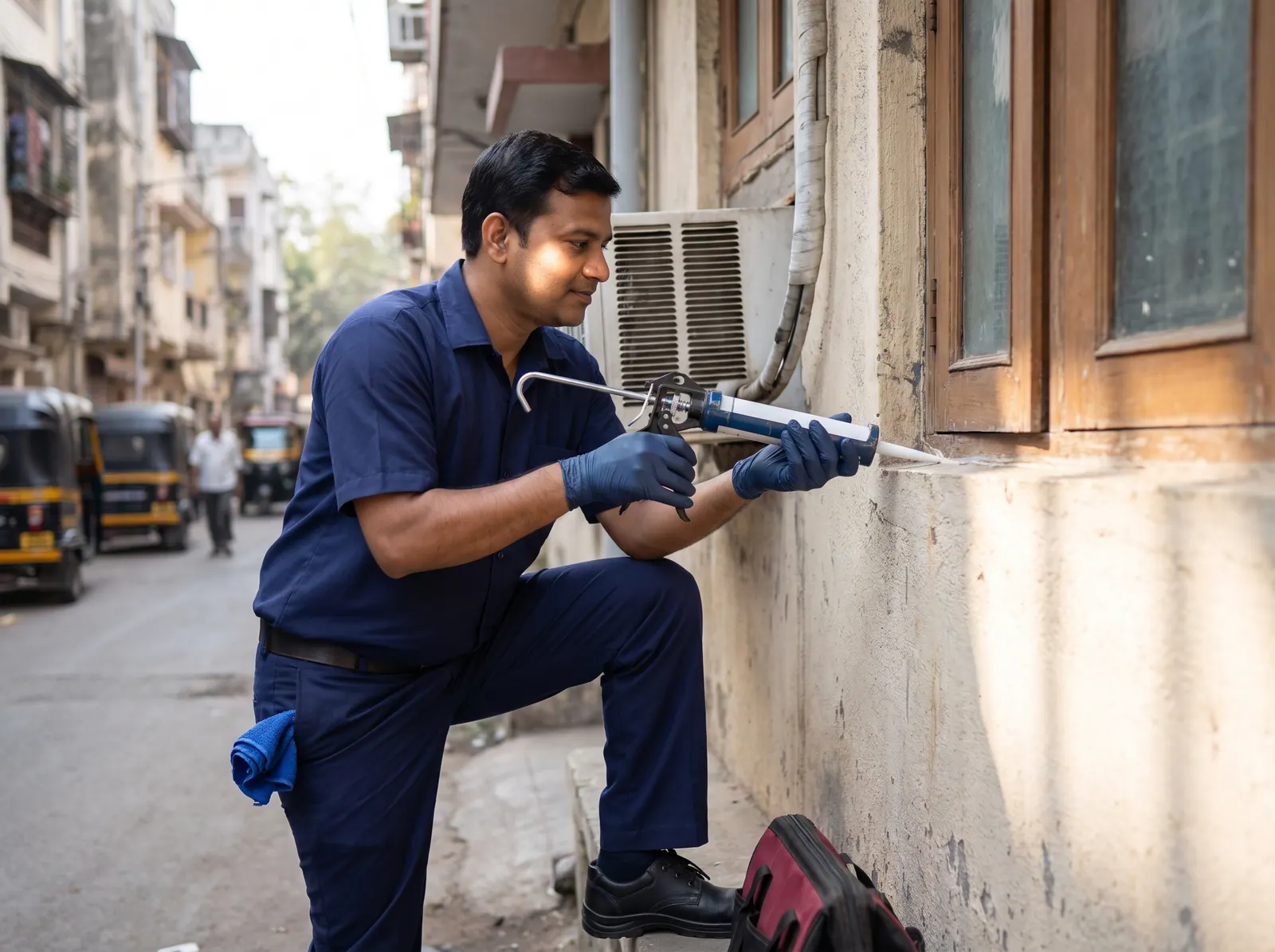
During a pest inspection in a Goan home, a technician walks through every room and around the outside of the property. They check wooden ceilings, door frames and furniture, walls and damp patches, kitchens, bathrooms and drains, roof tiles and eaves, and the garden. They look for pests, signs of activity, entry points and conditions such as moisture that attract pests. They then explain what they found and recommend treatment, proofing or repairs.
Key points
- A pest inspection covers both the inside and outside of a home, including ceilings, walls, wet areas, roofs, gardens and drains.
- In Goan homes, wooden ceilings, door frames, tiled roofs and damp laterite or plastered walls deserve particular attention.
- Findings usually cover the pests present, the extent of activity, entry points, conducive conditions and recommended treatment or repairs.
- Inspection time depends on property size, access to ceilings and roof spaces, outdoor areas and the pests involved.
- Leaving evidence such as droppings and wood dust in place helps the technician identify the problem accurately.
A pest inspection is the step that shapes everything else: what is actually there, how far it has spread, and what is likely to work. If you are arranging a pest inspection for your Goa home, this guide explains what a technician typically checks in a Goan house or flat. It also covers what you will be told afterwards and how to get ready. For the broader picture of our process, see how we work.
Why inspect before treating?
Many pest problems look alike at first. Wood powder on the floor could mean wood borer or termites, and droppings in the loft could come from rats or something smaller. Our approach is Integrated Pest Management (IPM). That means inspection first, then sanitation and proofing advice, then targeted treatment where it is needed.
During the inspection, the technician assesses the extent of any infestation, identifies entry points and looks at conditions that may be attracting pests. Treatment can then go where it will do the most good, rather than being sprayed everywhere.
This matters in Goa. Humid coastal air, the very heavy south-west monsoon and the timber in many older homes all give termites, wood borer, rodents, cockroaches and moisture-loving insects room to go unnoticed for a while.
Before the visit: what to tell us and have ready
A little information in advance helps the technician plan the visit and bring the right attention to the right places. When you contact our Goa branch, it helps to share:
- Where and what: your town or locality and the type of property, such as a flat, an independent house, an older Goan-Portuguese house or a villa.
- What you have noticed: droppings, mud lines on walls, wood powder, bites, insects in the kitchen, scratching in the ceiling. Say where you saw them and roughly when they started.
- Photos: a clear picture of an insect, dropping or damaged piece of wood is very useful.
- History: any previous treatments, with roughly when they were done.
- Building work and water: recent or planned renovation, roof leaks, or walls that stay damp after the rains.
- Household details: whether there are infants, anyone with asthma or allergies, or pets, birds or fish tanks. This lets later recommendations take them into account.
On the day of the visit:
- Clear access to the cabinet under the kitchen sink, the area behind the fridge and cooker, bathroom fittings, the store room, wardrobes, and under and behind beds.
- Have keys ready for the terrace, outhouses, store rooms and any gate to the garden or backyard.
- Find out where the access point to a false ceiling or loft is, if your home has one.
- Avoid spraying insecticide or scrubbing away evidence just before the visit. Droppings, wood dust and mud tubes help the technician read the problem.
- Arrange for an adult to be present. Our terms ask that a client representative accompanies technicians during the service.
- Keep pets secured in a room the technician does not need to enter first.
Room by room: what gets checked inside a Goan home
Wooden ceilings, rafters and door frames
Many Goan houses have wooden false ceilings, exposed rafters under tiled roofs, and solid wooden door and window frames. The technician looks for fine powder or gritty dust below timber, small round exit holes and wood that sounds hollow or feels soft when tapped. They also check for mud tubes running along frames and for droppings or gnaw marks above ceiling boards. Our guide to rats, termites and wood borer in wooden false ceilings explains these signs in more detail.
Walls: laterite, plaster and damp patches
Laterite and plastered walls are checked for earthen tubes rising from the floor and for cracks along skirting. Gaps around pipes, cables and switchboards get attention too, as do damp patches and flaking plaster. Walls that stay damp after the monsoon can attract cockroaches, silverfish, ants and termites. Our guide on damp walls and pests in Goan homes explains why.
Kitchen and store room
The kitchen usually gets the closest look. The technician checks under the sink, behind appliances, along cabinet hinges and gaps, and around drain outlets and gas pipe entry points. Typical signs include pepper-like cockroach droppings and egg cases, ant trails, rodent droppings and chewed packaging. Small insects in stored rice, flour or pulses are another clue.
Bathrooms, utility areas and drains
Floor traps, open drain covers, gaps around pipes and, in apartments, shared ducts and shafts are common routes for cockroaches. Constantly wet corners can also support drain flies and moisture-loving insects.
Bedrooms, living areas and wardrobes
Where bed bugs are suspected, the technician examines mattress seams, bed frames, headboards and sofa joints. Wardrobes are checked for silverfish, clothes moths and signs of damp. Wooden furniture is checked for wood borer holes, and gaps around doors, windows and light fittings are noted, since insects gathering there attract house lizards.
Outside checks: roof, eaves, garden and drains
Roof tiles and eaves
On houses with clay tiled roofs, the technician looks for broken or displaced tiles, gaps at the eaves and ridge, and branches touching the roof. Droppings or nesting material in the roof space are also noted. These are typical ways rodents get in, as covered in our guide to rodents in the tiled roofs of Goan houses.
Garden, compound wall and outbuildings
Outside, the technician checks for soil or debris heaped against the house wall and for stacked firewood, old timber and tree stumps. Mud tubes on the compound wall or outhouse, rodent burrows and piles of husks or garden waste are also noted.
Standing water and drains
Plant-pot saucers, old tyres, coconut shells, blocked gutters, loosely covered water tanks and choked drains can all hold water where mosquitoes breed. Our mosquito breeding checklist for Goan gardens and terraces is a useful companion to this part of the visit.
| Area | What the technician looks for | What it can point to |
|---|---|---|
| Wooden ceilings, frames, furniture | Wood dust, exit holes, hollow timber, mud tubes | Wood borer, termites, rodents above ceilings |
| Walls and floors | Earthen tubes, cracks, damp patches | Termites, moisture-loving insects |
| Kitchen and store | Droppings, egg cases, trails, damaged packets | Cockroaches, ants, rodents, pantry pests |
| Bathrooms and drains | Open traps, pipe gaps, constant wetness | Cockroaches, drain flies |
| Bedrooms and sofas | Seams, joints, stains, shed skins | Bed bugs |
| Roof and eaves | Broken tiles, gaps, droppings | Rats and mice |
| Garden and water | Wood stacks, burrows, standing water | Termites, rodents, mosquitoes |
What findings and recommendations look like
At the end of the visit, the technician walks you through what they found. You can expect to hear:
- Which pests are present, or whether the evidence is not conclusive.
- Where the activity is and how widespread it appears.
- How the pests are likely getting in.
- Conditions that are encouraging them, such as damp, clutter, food storage or gaps.
- Recommended treatment options and which areas they would cover.
- Steps you can take yourself, such as sealing gaps, fixing leaks, clearing gutters or changing how food is stored.
- Work better handled by a carpenter, plumber or mason, such as replacing badly damaged timber.
After visits, our Goa branch shares service reports as proof of service and can send updates on WhatsApp. Our Goa branch is a licensed pest control operator (Directorate of Agriculture, Goa) using CIB&RC-registered products. Material Safety Data Sheets are maintained for the products used, so ask if you would like to know more about anything recommended.
Sometimes an inspection finds no active infestation. That is a useful result too, and you can still ask for prevention advice for your type of home. If termites are your main worry, our guide to termite warning signs in Goan homes explains what to keep watching for.
How long does a pest inspection take?
It depends on the property. The main factors are its size and layout, how easy it is to reach ceiling and roof spaces, whether there is a garden or outbuildings, and how many different pests are involved. A compact flat is usually quicker than a large older house with a tiled roof, wooden ceilings and a big compound.
Ask for a rough estimate when you arrange the visit, and leave time at the end for questions. It is worth walking round with the technician, because you know where you have seen things and they can show you what to look for.
What happens after the inspection?
- Recommendations and quotation. If treatment is advised, you receive a quotation. Payment is as per the quotation or invoice.
- Scheduling and preparation. Once you agree a date, the technician gives specific preparation instructions for your property. If you need to cancel, our terms ask for at least 48 hours' notice, and a late-cancellation fee may apply.
- Treatment. Some pests reduce quickly, while others take a few days to show clear improvement. Where your treatment plan includes a follow-up visit, results are discussed then.
- Warranty. For specific services, a warranty applies to the treated area as set out in the service agreement. It varies by pest and treatment, and it excludes structural changes, new construction and not following post-service instructions.
- Ongoing prevention. For homes that need regular attention, Annual Maintenance Contracts provide year-round scheduled visits with service reports.
Arranging an inspection with our Goa branch
Tell our Goa branch in Chimbel where your property is, what type of home it is and what you have noticed, ideally with a few photos. We will confirm whether your area is covered and arrange a suitable time. You can see the towns and localities in our records on the Goa branch page.
Frequently asked questions
QWill chemicals be used during the inspection?
An inspection is mainly about looking, checking and asking questions, so the visit is focused on finding evidence rather than treating. If a treatment is agreed, the technician will explain how to prepare and what safety steps to take. In general, keep children and pets away from treated areas until they are dry or as advised, ventilate rooms and wash hands. If anyone feels unwell or reacts to a bite or sting, please see a doctor.
QDo I need to be at home during the inspection?
Yes. Our terms ask that a client representative accompanies technicians during the service. It also helps the inspection itself. You can point out where you have seen droppings, insects or damage, open locked rooms and lofts, and ask questions as the technician goes. Any responsible adult who knows the house can be present if you cannot be there yourself.
QShould I clean the house before the technician arrives?
Tidy enough that the technician can reach sink cabinets, store rooms, wardrobes, the space under beds and any ceiling or loft access. Avoid deep-cleaning areas where you have seen signs, though, and do not spray insecticide just before the visit. Droppings, wood dust, mud tubes and shed skins are evidence, and they help the technician identify the pest and judge how widespread it is.
QCan an inspection find termites hidden inside walls or timber?
A visual inspection looks for the signs termites leave, such as mud tubes, hollow-sounding wood, damaged frames and soil in cracks. Activity deep inside a wall or behind fixed panelling may not always be visible from the surface. The technician will tell you what they could and could not check, and whether opening up a section or keeping watch over the coming months would make sense.
QI live in a flat. Does the inspection cover shared areas?
The technician will focus on your flat but may look at nearby routes that affect it, such as bathroom ducts, kitchen shafts and drain lines. Cockroaches and rodents often travel through shared spaces, so a problem that starts there may keep returning if it is only treated inside one home. If shared areas are involved, it helps to involve your housing society or landlord.
QIs there a best time of year for a pest inspection in Goa?
Any time you notice signs is the right time. A check before the monsoon is useful for spotting roof gaps, blocked gutters and drains before the heavy rains. After the monsoon, damp walls and timber show more clearly. Termite swarmers often appear around the start of the rains, so that is a good moment to look for winged insects near lights and windows.
Last updated 13 October 2026. Information on this page is general guidance; your technician will advise on your specific property after inspection.